





Minimalist Haven Unveiled
Emraan Hashmi's Bandra apartment, a Rs 16 crore property, stands as a testament to intentional living and sophisticated design. This residence, shared
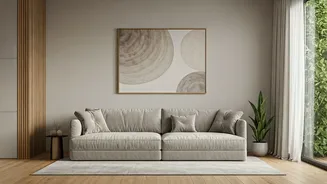
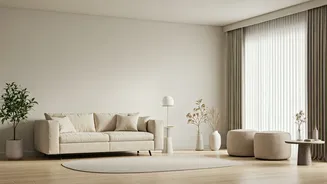
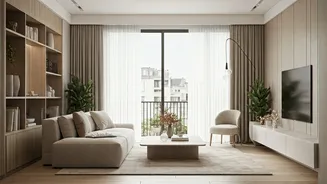
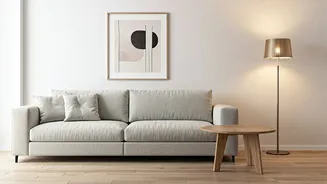
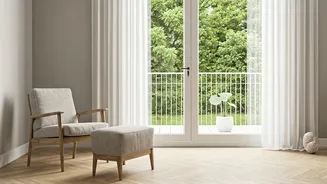
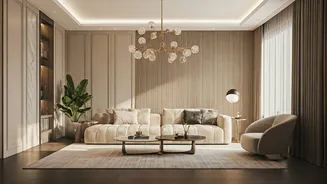
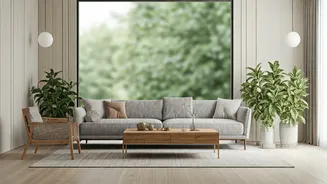
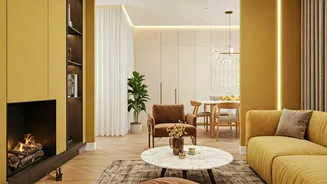
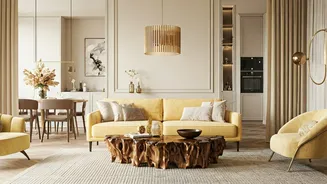
with his wife Parveen Shahani Hashmi and son Ayaan, is situated in a prime Mumbai neighborhood. The interior design philosophy leans heavily towards minimalism, employing a soothing palette of whites, beige, and browns. This deliberate choice in color creates an environment that is both visually calming and psychologically grounding. The furnishings are modern and comfortable, featuring wooden elements that add warmth, complemented by select accent pieces and chandeliers that enhance the decor without creating clutter. Beyond its aesthetic appeal, the home integrates functional spaces like a dedicated workout area and an expansive library, signifying a commitment to holistic well-being that balances physical activity with intellectual pursuits. A generous balcony further expands the living space, offering panoramic city views and a vital connection to the external environment, reinforcing the home's role as a sanctuary designed for comfort, routine, and personal passions.
Neutral Hues & Mindful Living
The psychological impact of neutral color palettes within a home environment is profound, as expert Sonal Khangarot explains. Shades like white, beige, and brown create a stable and regulating atmosphere, a crucial element for mental well-being, especially in bustling urban settings. Cognitively, these colors possess low visual complexity, which significantly reduces the brain's sensory processing load. This allows the nervous system to de-escalate from states of hyperarousal, promoting a sense of calm. Whites and off-whites, in particular, are associated with openness and mental clarity, fostering a feeling of spaciousness, although a balance is needed to avoid a stark, clinical feel. Warm beige and browns evoke nature, instilling feelings of safety, stability, and familiarity, which are instrumental in lowering stress hormones like cortisol. From an environmental psychology standpoint, these palettes act as a neutral canvas, enabling residents to express their individuality without sensory overload, thereby supporting emotional regulation, enhancing focus, and cultivating a predictable, steady environment conducive to overall well-being.
Open Spaces & Nature's Embrace
The presence of open spaces and natural views within a home has a substantial positive influence on mental health, particularly in densely populated urban areas prone to sensory overload. Khangarot highlights that exposure to nature, even passively, facilitates a shift in cognitive attention from a demanding, effortful state to a more effortless, restorative mode, as described by Attention Restoration Theory. This transition helps alleviate cognitive fatigue and boosts concentration over time. Expansive visual areas, such as large balconies, counteract feelings of confinement and psychological pressure common in city living. Furthermore, natural light and greenery are known mood enhancers, partly due to their role in regulating the body's natural sleep-wake cycles (circadian rhythms) and promoting the production of serotonin, a key mood-boosting neurotransmitter. From a physiological perspective, even brief interactions with natural elements can lower heart rate and reduce cortisol levels, inducing a state of relaxation. Over the long term, consistent access to such elements builds emotional resilience, mitigates stress, and elevates overall well-being by providing brief but vital moments of respite and grounding within a demanding daily environment.