






Transparency Concerns Emerge
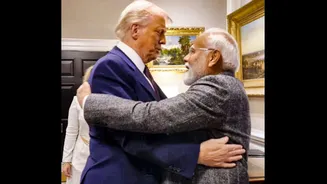
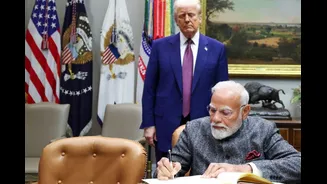
The recent unveiling of a trade agreement between India and the United States has ignited a significant political storm within India, primarily driven
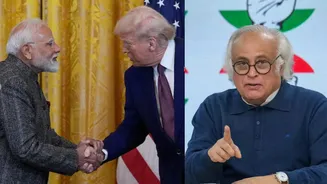
by opposition parties who are vehemently questioning the manner and substance of the deal. A key point of contention, highlighted by Congress general secretary Jairam Ramesh, is the conspicuous absence of a joint official statement from either government even 36 hours after the US President's announcement. Ramesh publicly criticized what he termed the government's "spin doctors" for actively promoting the deal while critical details remain obscure. He pointed out that despite the government's efforts to frame it positively, there's still no clear understanding of the agreement's specific terms. This lack of clarity is particularly concerning as it appears India may have agreed to liberalize its agricultural import policies, a move that could have substantial repercussions for domestic farmers. The opposition argues that both Parliament and the general public have a right to a comprehensive explanation of why such a significant agreement was pushed through with such apparent haste, underscoring a deep-seated concern about democratic accountability and due process in international trade negotiations.
Economic Repercussions Weighed
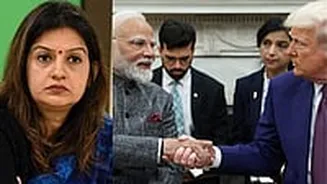
Further deepening the criticism, Congress leader Supriya Shrinate has voiced significant concerns, questioning the very premise of the deal's announcement, which originated from the US President. She specifically challenged the narrative that an increase in tariffs from an average of under 3 percent to a projected 18 percent represents a victory for India. Shrinate warned that a surge in imports of American goods could severely undermine the 'Make in India' initiative and negatively impact domestic manufacturing sectors, which are crucial for the nation's economic self-reliance. Beyond the immediate economic impact, she also raised critical questions about the deal's potential to constrain India's strategic autonomy. This includes concerns about whether the agreement might limit India's flexibility in making crucial decisions, such as its ability to procure oil from countries like Russia or its involvement in significant international projects like the Chabahar port in Iran. These points highlight a broader anxiety about the potential for the trade deal to erode India's independent foreign policy and economic decision-making capabilities.
Political Pressure Alleged
The contentious trade deal's rapid finalization occurred against a backdrop of heightened political tensions within India's Parliament. Opposition leader Rahul Gandhi has intensified his criticism of Prime Minister Narendra Modi, suggesting that the sudden conclusion of the trade agreement, following a prolonged period of stasis, indicates that the Prime Minister was operating under significant pressure. Gandhi further alleged that this pressure might be linked to developments in the United States involving industrialist Gautam Adani and the fallout from files associated with Jeffrey Epstein, implying that the Prime Minister could be in a compromised position. These remarks emerged as a standoff in the Lok Sabha escalated. The situation worsened after Gandhi was repeatedly prevented from referencing an unpublished memoir by former Army chief General M M Naravane while attempting to raise national security concerns, particularly those related to the 2020 Ladakh standoff with China. The subsequent protests by opposition Members of Parliament, following the Chair's intervention to halt Gandhi's statements, led to the suspension of eight MPs for the remainder of the Budget Session, further inflaming the political climate surrounding the trade deal.