




Court Declines Voting Rights
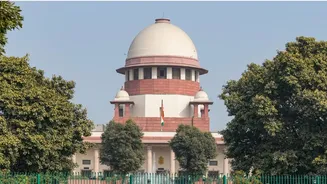
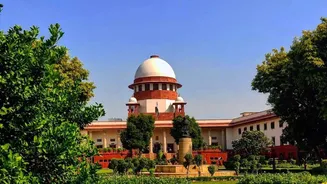
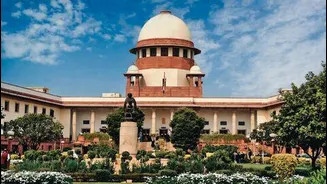
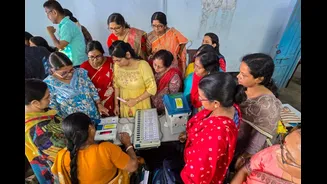
During a pivotal hearing concerning the special intensive revision (SIR) of electoral rolls in West Bengal, the Supreme Court firmly stated that individuals
whose appeals against their exclusion from the voter list remain undecided will not be allowed to participate in future elections. A bench, presided over by the Chief Justice of India Surya Kant and Justice Joymalya Baghchi, addressed multiple petitions challenging the revision process and a separate suo motu case regarding the security of judicial officers. The Chief Justice critically questioned the notion of allowing pending appeals to grant voting rights, suggesting it would undermine the established process for those already included in the rolls. This ruling directly impacts an estimated 34 lakh citizens who have filed appeals.
Adjudication of Appeals
The Supreme Court highlighted that over 34 lakh appeals have been submitted to appellate tribunals by individuals seeking to be reinstated on the voter list after their exclusion. Senior Advocate Kalyan Banerjee, representing those challenging the SIR, emphasized the public's reliance on the court and asserted that the excluded individuals are genuine voters. He pointed out that an impression might be given that all cases have been resolved, when in reality, the voter list published on April 6 still includes individuals whose eligibility is under adjudication. Justice Baghchi clarified that voters whose appeals are favorably decided by April 9 would indeed be incorporated into the electoral roll, ensuring their participation if the adjudication is completed within the stipulated timeframe.
Security for Judicial Officers
Beyond the electoral roll issue, the Supreme Court also issued directives concerning the security of judicial officers in West Bengal. The bench mandated that the Election Commission of India and the state government must ensure that existing security arrangements for judicial officers are not revoked. This protection is to remain in effect until further orders from the Supreme Court, specifically emphasizing that it should continue until the conclusion of elections within the state. This measure aims to safeguard judicial personnel during the election period, acknowledging the sensitive nature of the ongoing legal and political climate. The court's emphasis on sustained security underscores its commitment to maintaining a secure environment for judicial functioning.
Previous Hearing Developments
Recalling the proceedings from the previous hearing on April 6, the Supreme Court had previously expressed concern over the Chief Secretary's unavailability. The court had questioned the Chief Secretary's lack of responsiveness, particularly regarding calls from Calcutta. The Chief Secretary, in turn, explained his absence due to flight travel and denied receiving any communication. Justice Joymalya Bagchi had noted the importance of accessibility, suggesting that sharing contact details would have greatly aided the Chief Justice and High Court administration. He advised the secretary to remain more accessible, emphasizing the need to be reachable by the court administration and even the Chief Justice.