
Festival's Cultural Roots
Makar Sankranti, a significant festival in the Indian calendar, marks the transition of the sun into Capricorn (Makara). Celebrated with great enthusiasm,
this festival is a time for people to come together and express gratitude for the harvest. The date of Makar Sankranti varies each year, typically falling on January 14th or 15th, and in 2026, the celebration will take place on this date as well. It's a time when the days start to get longer, and it symbolizes the end of the winter season and the beginning of warmer weather. Across India, the festival is known by different names, such as Pongal in Tamil Nadu and Uttarayan in Gujarat, each region infusing its unique cultural flavor into the celebrations.
Khichdi's Significance
Moong Dal Khichdi holds a special place in the Makar Sankranti festivities. This dish isn't just a meal; it's a symbol of prosperity and well-being. The preparation of Moong Dal Khichdi involves cooking rice and moong dal (split green gram) together, often seasoned with spices and vegetables. This dish’s simplicity and nutritional value make it a popular choice. In many households, this dish is the first meal consumed on Makar Sankranti day, signifying a fresh start and good fortune for the year ahead. Preparing and sharing Khichdi is also a community activity, enhancing the sense of togetherness.
Til Ladoo Delights
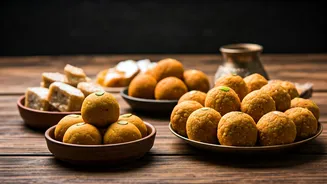
Til Ladoos, made with sesame seeds and jaggery, are another must-have during Makar Sankranti. The combination of sesame seeds (til) and jaggery (gud) is believed to provide warmth during the colder months. These ladoos are not just tasty treats; they also symbolize the sweetness and harmony that should be present in relationships. The preparation involves roasting sesame seeds and mixing them with melted jaggery to form a sticky mixture, which is then shaped into small balls. These sweet delights are often shared among friends and family, expressing love and goodwill.
Undhiyu's Culinary Essence
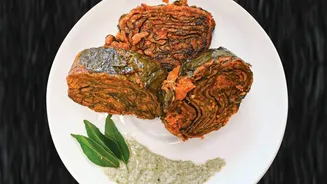
Undhiyu, a mixed vegetable dish, is a quintessential part of Gujarati celebrations during Makar Sankranti. The unique method of cooking this dish underground in earthen pots gives it a distinctive flavor. Typically, the vegetables used include a mix of seasonal varieties like brinjals, potatoes, and beans, cooked with spices and herbs. The slow cooking process enhances the flavors, making it a delicious and hearty dish. Undhiyu is often served with puris and jalebis, making it a complete and satisfying meal, and a symbol of the richness of the harvest.
Puran Poli's Charm
Puran Poli, a sweet flatbread, is a celebrated dish during Makar Sankranti, particularly in Maharashtra. It is a sweet flatbread made with a filling of cooked lentils (usually chana dal), jaggery, and spices. The preparation of Puran Poli is a labor of love, requiring skill to ensure the filling is evenly distributed within the dough. This sweet dish is a traditional offering and is often served with ghee and a side of kadhi, creating a festive and fulfilling meal. It represents the happiness and sweetness associated with the occasion, enjoyed by everyone during the festival.
Gajak and Chikki
Gajak and Chikki, made primarily from sesame seeds or peanuts and jaggery, are popular snacks enjoyed during Makar Sankranti. These crunchy treats are not only delicious but also provide warmth, which is much appreciated during the winter season. Gajak is typically made by mixing sesame seeds with jaggery, while chikki often includes peanuts. These sweets are readily available during the festive season and are shared with family and friends. Their presence adds a delightful crunch and sweetness to the celebrations and is a convenient, enjoyable snack option.
Diverse Regional Treats
Makar Sankranti is celebrated differently across India, with each region showcasing its unique culinary traditions. In Punjab, Sarson ka Saag and Makki di Roti are often prepared. Tamil Nadu celebrates with Pongal, a dish made with rice, lentils, and spices. In Gujarat, people enjoy Undhiyu and Chikkis. These regional variations reflect the diversity of India's cuisine and cultural practices. Each dish has its significance and adds to the festive spirit, making Makar Sankranti a celebration of the country’s diverse culinary landscape and communal spirit.
Festival's Social Aspect
Beyond the food, Makar Sankranti is a time for social gatherings and activities. People exchange greetings and gifts, and many engage in kite flying, especially in states like Gujarat. Kite flying competitions are a common sight, filling the sky with colorful kites. This activity fosters a sense of community and provides a visual spectacle. Makar Sankranti, in 2026, will likely witness similar celebrations, bringing together people of all ages and backgrounds to enjoy the festivities together, showcasing the communal and cultural dimensions of the festival.
Home Cooking Tips
For those looking to recreate the festive spirit at home, there are many ways to prepare these traditional dishes. Using authentic recipes and locally sourced ingredients can enhance the taste and experience. Consider gathering family members to help with cooking, making it a shared and enjoyable activity. Online resources and cookbooks offer step-by-step instructions for preparing the dishes discussed. The essence of Makar Sankranti is in the preparation and sharing of food, so even a simple home-cooked meal can capture the festival's spirit and create lasting memories.
A Culinary Legacy
The traditional foods of Makar Sankranti are a legacy, passed down through generations, embodying the spirit of the festival. These dishes not only represent the harvest but also the cultural values of sharing, togetherness, and gratitude. As people celebrate Makar Sankranti in 2026 and beyond, the recipes and traditions will continue to evolve, preserving the essence of the festival. The flavors and aromas of Moong Dal Khichdi, Til Ladoos, and other festive foods will ensure that the spirit of Makar Sankranti remains alive and cherished by all.