
Genesis of the Board
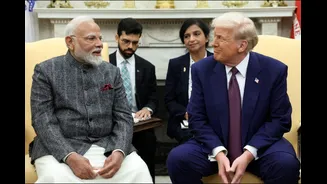
The 'Board of Peace' concept originated from the vision of former U.S. President Donald Trump. This body, backed by a significant $1 billion funding, aims
to address global conflicts and promote peace initiatives worldwide. The proposal has garnered attention, raising questions about its operational structure and its intended scope. The board's objectives include a global mandate, suggesting a broad area of influence that could encompass multiple international conflicts and areas of geopolitical tension. Trump's invitation to various world leaders, including India, signifies the potential scale and influence he envisions for this organization. The initiative's potential impact is significant, warranting a closer look at its proposed goals and the strategies it intends to employ to achieve them.
India's Involvement Sought
India has been extended an invitation to join the 'Board of Peace,' placing the nation at the center of the global peace initiative. This invitation highlights India's growing international influence and its role in fostering global stability. The specifics of India's role and the terms of its involvement remain uncertain. However, the invitation underscores the importance of India's participation in addressing global conflicts and promoting peaceful resolutions. The prospect of India's membership also raises key questions regarding the board’s operational structure and the strategic objectives it is expected to pursue. Careful consideration of the parameters for engagement is likely critical for Indian officials to fully understand the scope and implications of becoming a part of the 'Board of Peace'.
Scope and Mandate
The 'Board of Peace' is designed with a potentially far-reaching scope, hinting at a global mandate that suggests its involvement in a multitude of international conflicts. The organization’s primary aim is to resolve conflicts and promote peaceful solutions across various regions. The details of its specific operations remain somewhat unclear, but the stated objectives indicate a comprehensive approach to international relations. This broad mandate suggests the board might engage in diplomatic efforts, mediation, and perhaps even financial support to achieve its stated goals. The scale of the board’s operations will largely depend on the cooperation it receives from participating nations, and the strategies it employs to navigate complex international disputes.
Potential Implications
The establishment of the 'Board of Peace' has several possible implications for global politics. The initiative could foster greater cooperation among nations, promoting diplomacy and peaceful resolutions to conflicts. However, its influence will depend on the commitment and support provided by participating countries. Furthermore, the board's activities could impact existing international organizations and diplomatic structures. India's participation would also come with a set of implications. The decision to join would necessitate careful examination of the board's objectives, operational framework, and long-term implications for India's foreign policy and global standing. The strategic decisions made regarding this initiative would be crucial in shaping the course of global relations.
Criticisms and Concerns
The 'Board of Peace' has attracted criticism and concerns, particularly regarding its structure, funding, and potential impact on existing peace initiatives. Critics have raised questions about the board's effectiveness and its reliance on a large financial backing. The source of funding and the manner in which the funds are managed are areas of potential concern. Others have raised worries about the board's mandate and its effect on existing organizations such as the United Nations, and the impact it could have on international law. Thorough scrutiny and debate are essential for ensuring that the 'Board of Peace' truly supports global peace and security.