





Understanding Maturing Hairlines
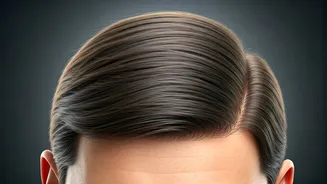
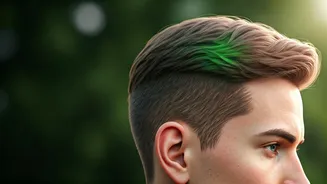
During adolescence, particularly for teenage boys, the face naturally matures, leading to subtle, gradual shifts in the hairline. This process, often termed
a 'maturing hairline,' is a common developmental stage. Unlike true hair loss, this change tends to be even and stabilizes over time, without significant thinning. It's a natural part of growing up as facial features refine. Therefore, a slight alteration in the hairline at this age isn't always a cause for alarm and can be a normal biological progression tied to the development of adult facial characteristics. It’s important to differentiate this gentle, uniform recession from more drastic changes that might signify a different issue. The key is observation over time to see if the change is consistent and stabilizes.
Causes of Early Hair Loss
While a maturing hairline is often benign, other factors can contribute to genuine hair loss in teenagers. Genetics plays a significant role, with early-onset male pattern baldness potentially starting sooner than expected due to the gradual shrinking of hair follicles. However, it's rarely the sole culprit. Hormonal shifts inherent to puberty can influence hair growth cycles. External factors such as chronic stress, inadequate nutrition, and underlying scalp conditions can also trigger or exacerbate hair thinning. Recognizing these multifactorial influences is crucial for understanding why hair loss might occur at such a young age, moving beyond simple maturation.
Spotting the Difference
Distinguishing between a maturing hairline and actual hair fall is vital for appropriate action. A maturing hairline typically recedes uniformly and then settles, without pronounced thinning. Conversely, early hair loss may present as more abrupt, appearing unevenly, often noticeable around the temples or the crown of the head. An increase in the amount of hair found on brushes or in the shower can be another indicator of significant hair fall. Paying close attention to the pattern, speed, and associated symptoms of hairline changes is essential for parents and teens to determine if professional medical advice is warranted.
Seeking Expert Advice
For teenagers experiencing concerning hairline changes, self-treatment is strongly discouraged. Consulting a dermatologist is the recommended first step for a proper evaluation and diagnosis. They can accurately assess the situation, identifying whether it's a natural maturation or an underlying condition requiring intervention. Alongside professional guidance, maintaining a healthy lifestyle is paramount for supporting overall hair health. This includes adopting a balanced diet rich in essential nutrients, effectively managing stress through appropriate techniques, and practicing gentle hair care routines that avoid harsh treatments or excessive styling.