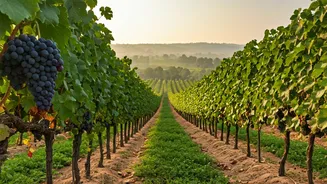









From Sacred City to Wine Hub
Nashik, long revered for its spiritual significance, has undergone a profound metamorphosis, evolving into the undisputed wine capital of India. This transformation
is vividly illustrated by the proliferation of vineyards and wineries that now grace its landscape, drawing both domestic and international tourists, and fostering significant economic development. The region's unique microclimate, characterized by warm days reaching approximately 35°C that cool to 10°C at night, coupled with fertile red laterite and sandy loam soils and proximity to water bodies like the Godavari River and Gangapur lake, provides an ideal terroir for grape cultivation. Pioneering efforts, notably by Rajeev Samant with Sula Vineyards in 1998, followed by supportive government policies like Maharashtra's Grape Processing Policy in 2001, catalyzed the establishment of a robust wine cluster. Today, Nashik boasts around 30 wineries, producing nearly 80% of India's wine, with Maharashtra contributing about 90% nationally. This burgeoning industry cultivates approximately 8,000 acres of wine grapes, yielding around 1.4 crore liters annually and valued at close to Rs 2,000 crore, showcasing a remarkable agricultural and entrepreneurial success story.
Cultivating a Wine Culture
While the infrastructure for winemaking in Nashik has flourished, a significant hurdle remains: cultivating a widespread appreciation for wine among Indian consumers. Unlike established markets, India traditionally favors spirits like whisky and rum, with wine often perceived as an exotic or intimidating beverage. Recognizing this, wineries, particularly Sula, have shifted their focus from solely production to actively building a wine-drinking culture. This involves transforming wineries into lifestyle destinations, offering vineyard tours, tasting sessions that demystify wine, and creating engaging experiences like grape-stomping festivals and vineyard-facing accommodations. Initiatives like SulaFest draw large crowds, highlighting the success of this experiential approach. Other wineries have adopted similar strategies, differentiating themselves through unique offerings such as innovative fermentation techniques in terracotta tanks or by crafting narratives around their vineyards, like the One Tree Hill label. Improved connectivity and strategic collaborations with the hospitality sector further enhance accessibility and promote wine as a complement to India's diverse cuisine.
Innovation and Diverse Terroir
The Indian wine landscape extends beyond Nashik, with wineries like Fratelli in Akluj (Solapur) demonstrating that excellent wine can be produced in diverse terroirs. Viticulturists emphasize that wine quality is predominantly shaped in the vineyard, with expertise in grape cultivation playing a crucial role. These diverse locations offer unique advantages, contributing to the varied flavor profiles of Indian wines. Wineries are experimenting with a range of grape varietals, including whites like Chenin Blanc, Sauvignon Blanc, Chardonnay, and Riesling, alongside reds such as Shiraz, Cabernet Sauvignon, Merlot, Zinfandel, and Tempranillo. Some producers are also exploring traditional winemaking methods, like using concrete or terracotta tanks for fermentation, which impart distinct characteristics to the wine. This commitment to innovation, coupled with a deep understanding of regional microclimates and a dedication to quality from grape to glass, is essential for Indian wineries to carve out their niche in both domestic and international markets.
Navigating Industry Challenges
Despite significant progress, India's wine industry confronts several formidable challenges. The Vinchur Wine Park, established in 2005, aims to support production, testing, and storage, fostering farmer-led initiatives like Red Grapes and Vinsura. However, many wineries in this zone struggle due to a lack of tourism integration and face fluctuating demand, leading to some being put up for sale. Climate change poses a critical threat, with unseasonal rains and extreme temperatures impacting grape yields and quality, forcing some grape farmers to revert to more stable table grape cultivation. Furthermore, the industry operates under a ban on alcohol advertising, hindering promotional efforts, and relies heavily on organic moments in popular media to build awareness. Competition from imported wines, particularly with the proposed EU-India trade agreement that could lower import duties, presents another significant concern, alongside the already complex tax structures and distribution network issues faced by domestic producers.
Future Prospects and Growth
The future of Nashik's wine industry hinges on strategic adaptation and continued innovation. While the market share of wine in India's overall alcohol consumption remains modest, estimated at less than one percent, there are optimistic signs. The perception of wine as a healthy, sophisticated, and socially acceptable beverage, as highlighted by the first Indian Master of Wine, Sonal C Holland, provides a strong foundation for growth. The growing popularity of wine tourism and the increasing engagement of younger generations with wine culture, evidenced by events like SulaFest, suggest a positive trajectory. While the industry must address the challenges of climate resilience, regulatory hurdles, and market penetration, the inherent potential of the region, coupled with entrepreneurial spirit and a focus on quality and unique storytelling, positions Nashik to further solidify its standing. Continued investment in research, better grape cultivation, and effective consumer education will be paramount in nurturing India's dream of becoming a globally recognized wine destination.