
The Viral Trend
The method of brewing tea in a pressure cooker has exploded in popularity, igniting a wave of online conversations and user experiences. Initially, it may
seem strange to consider using a pressure cooker, commonly used for cooking lentils or meats, for the delicate task of brewing tea. However, the viral nature of the hack stems from a desire for experimentation and the potential of a quick, hands-off brewing method. The premise behind the pressure cooker tea revolves around the idea of extracting flavors quickly and efficiently, similar to the fast-cooking nature of the appliance. Many are curious about how this unusual method affects the taste of tea and if it will become a regular practice. As more people try the trick, the internet fills up with reviews, tips, and opinions on pressure cooker tea, making it a hot topic.
How It Works
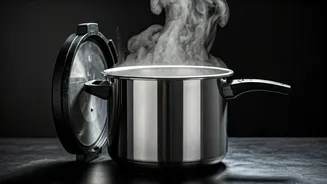
The basic principle of pressure cooker tea revolves around applying heat and pressure to the tea leaves. The process starts by placing tea leaves and water into the pressure cooker. Then, the cooker is sealed, and heat is applied, causing the internal pressure to build. This method aims to extract the tea's flavors rapidly. The key lies in regulating the brewing time to avoid over-extraction, which might result in a bitter taste. Users typically experiment with different brewing times, often ranging from a few seconds to a couple of minutes. The idea is to achieve a balanced extraction, capturing the tea's unique essence without the bitterness that can come from over-steeping. The method demands attention to the type of tea and personal preference. The flavor profiles that can be achieved depend on the tea and the brewer's preference. This is more than just throwing tea and water into a pressure cooker; it's a careful balance of time, tea, and technique.
User Experiences
The reaction to pressure cooker tea is varied, with user experiences ranging from sheer delight to skepticism. Some users report a quick and convenient brewing process, highlighting the ability to prepare tea quickly, particularly in busy households. They might also comment on the taste, often describing it as bold or uniquely flavored, which differs from traditional steeping methods. Other users are more cautious, pointing out that controlling the flavor is challenging. Over-extraction can lead to an undesirable bitter taste. The type of tea matters, as some teas might fare better than others. Additionally, the need to fine-tune the brewing time based on the pressure cooker model and personal preferences complicates the process. Online forums and social media are filled with comments, showcasing the diverse results and the learning curve involved in perfecting this unique method.
Flavor Profile
The flavor profile of tea brewed in a pressure cooker is a central topic of debate. Due to the high-pressure environment, the tea might exhibit a more robust, concentrated flavor than when prepared using conventional methods. For some, this intense extraction offers a pleasant, full-bodied taste, emphasizing the tea's natural characteristics. The pressure might also affect the tea's mouthfeel, resulting in a more textured and potentially bolder sensation. However, it's also worth noting the risks. Over-extraction, a common concern, can result in a bitter, astringent taste, diminishing the overall experience. The flavor profile will change based on the type of tea employed and personal tastes. Experimentation is crucial to finding the ideal balance. Users can adjust the brewing time to customize their tea and obtain a brew that suits their preferences.
Is It Worth It?
Whether tea brewed in a pressure cooker is ‘worth it’ comes down to individual priorities and taste. For those who prioritize speed and efficiency, it can be a useful way to quickly brew a cup of tea, especially for busy mornings or in situations where time is limited. However, it also requires an understanding of how the method impacts the flavor. The learning curve is another factor to consider, as it takes time to find the perfect brewing duration. For tea enthusiasts and individuals who value the nuances of traditional brewing methods, the pressure cooker approach may not be appealing. They might find the intense extraction and potential for bitterness off-putting. The decision also hinges on how adventurous someone feels. It's an invitation to explore a different way of tea preparation. Ultimately, the question is not whether the method is ‘good’ or ‘bad,’ but whether it aligns with personal preferences and brewing objectives.