






Global Trade Landscape
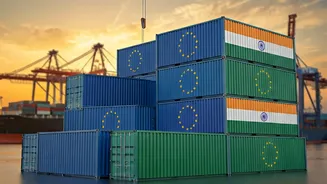
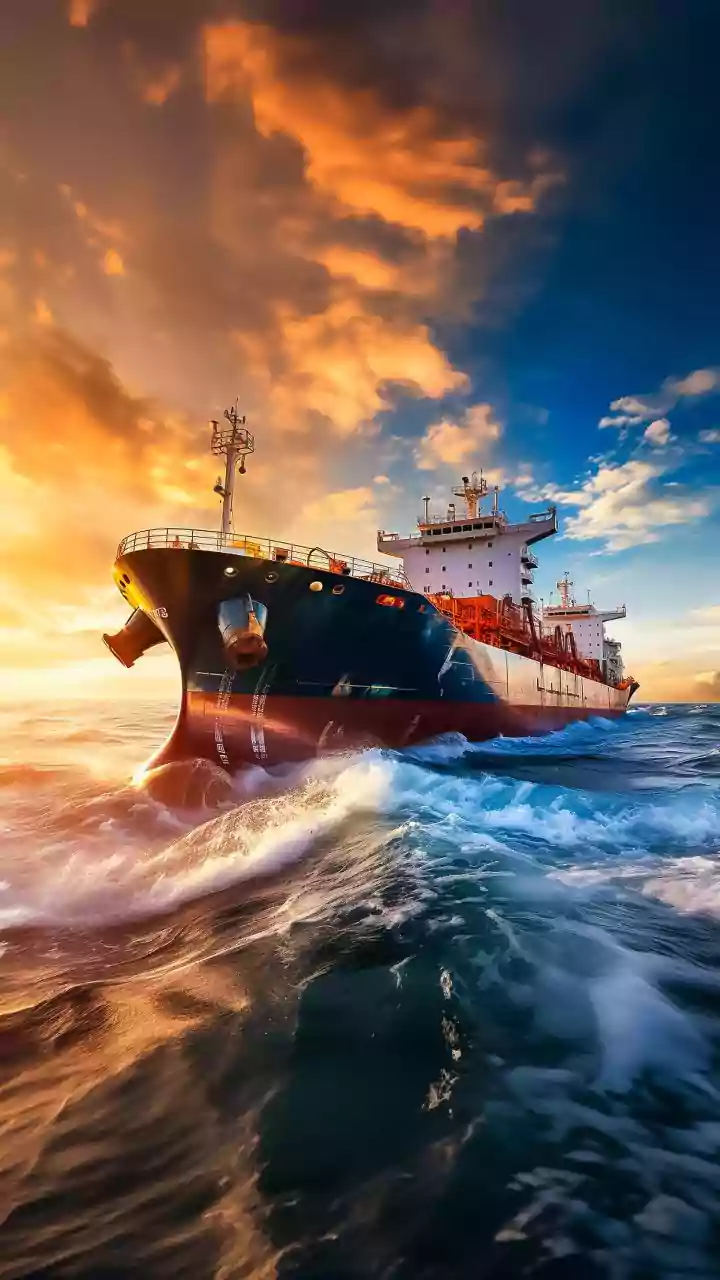
The intricacies of global trade are significantly shaped by alliances and deals between nations. The proposed India-EU trade agreement emerges as a crucial
point of focus, warranting careful scrutiny by trade experts and economic analysts. This agreement is viewed as a vital step towards promoting open markets and reducing trade barriers, impacting the flow of goods, services, and investments between India and the EU member states. The agreement's significance extends beyond the immediate partners, potentially establishing precedents and models for future trade negotiations around the world. The implications of this deal are far-reaching. The focus on establishing a balance between economic opportunities and regulatory standards, is key. The agreement's outcome will reflect on the existing and future trade pacts, setting a model for global trade policies.
EU's Free Trade Vision
The European Union, under its foreign policy leadership, has reiterated the need to foster close ties with nations that share a commitment to free trade. This strategic orientation emphasizes the EU's role as a proponent of open markets, aiming to lessen protectionist practices and facilitate seamless trade flows. The EU's stance is motivated by the desire to boost economic development and improve international relations through trade. Proponents of free trade policies suggest that they lead to lower consumer costs, increased access to goods and services, and encourage innovation, which is essential to fostering economic expansion. The EU's dedication to open markets suggests its dedication to building trade partnerships that foster mutual economic growth and fortify global trade networks, indicating a deliberate and long-term strategy for international trade.
Impact & Trump Factor
The potential India-EU trade deal's impact on international trade is being analyzed, including the complexities brought about by the involvement of various global actors. One important factor is the 'Trump factor', indicating the shifting attitudes toward trade policies in specific regions. This includes considerations of the evolving strategies of major players and the necessity for adaptability in the face of changing conditions. This makes a thorough examination of the deal's economic and political ramifications vital. The negotiations are expected to reveal how different nations handle trade concerns, offering lessons on how to balance competing interests while promoting cooperation. International trade's future hinges on such negotiations, highlighting the significance of flexible and well-informed strategies in an increasingly interconnected global economy.






![[WATCH] 'Real Madrid, Ramadan and rest' - Mohammed Siraj how last-minute World Cup call-up changed February plan](https://g-mob.glance-cdn.com/public/fc/image/ByYT_LEmlrD0.webp)