
Embracing the 'Orange Economy'
The Budget 2026-27 has put the spotlight on the 'Orange Economy,' a term that includes creative industries such as design, film, and digital media. The government's
decision to bring this economic model into the classroom indicates a desire to develop the talents needed for these burgeoning sectors. The objective is to make sure that the next generation is prepared for these jobs. This initiative represents a comprehensive approach to skill development. It goes beyond rote learning and promotes hands-on experience and creative problem-solving. This change is vital as the economy shifts and new skills are needed. The emphasis on creative tech labs marks a significant investment in India's future workforce, equipping students with the tools they will need to succeed in a world increasingly driven by digital innovation.
Creative Tech Labs Unveiled
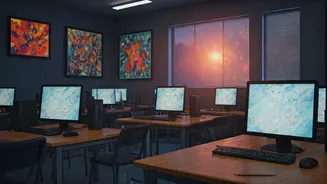
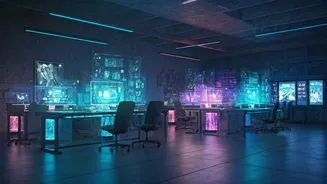
Central to this initiative is the establishment of creative tech labs throughout the nation. These labs are designed to be hubs of innovation, providing students with access to cutting-edge technology and software. These labs are not just classrooms; they are meant to foster experimentation, collaboration, and the practical application of creative skills. The curriculum will likely cover subjects such as coding, digital design, animation, and filmmaking. The aim is to bridge the gap between education and industry demands. The labs will provide a space for students to explore their creative potential and develop the technical abilities needed for a wide array of careers in the Orange Economy. This hands-on approach aims to nurture a generation of innovators. It will provide students with the ability to turn their creative ideas into real-world projects.
A Nationwide Transformation
The impact of this initiative is projected to be widespread, touching students across India. The introduction of creative tech labs in schools and educational institutions ensures that every child, irrespective of their location, has the opportunity to explore creative fields. This inclusive approach is crucial for democratizing access to the skills needed for the future economy. It can also help stimulate economic growth across different regions of the country. This effort isn't just about equipping students with new skills, but also fostering a culture of innovation. The aim is to inspire students to think creatively and solve problems. This nationwide push signifies a broader commitment to innovation, helping India to become a global leader in creativity and technology.
Future-Ready Skills Focus
The curriculum in the creative tech labs will be carefully designed to reflect the evolving needs of the job market. Students will learn the skills and knowledge needed to excel in creative fields. This includes both the technical aspects, such as using digital design software, and the soft skills, such as teamwork and project management, needed to be successful. By integrating practical experience with theoretical learning, the labs aim to produce graduates who are ready to enter the workforce or pursue higher education. The goal is to prepare students to contribute meaningfully to the creative economy and develop innovative solutions to the challenges facing India. The emphasis is on practical, hands-on learning that aligns with the skills demanded by employers.
Economic Growth Catalyst
The introduction of the 'Orange Economy' into the education system is designed to stimulate economic growth. The creative industries, like design, film, and digital media, are fast-growing sectors globally. By investing in these sectors through education, the government hopes to create new job opportunities and boost economic activity within India. This strategy also aims to attract foreign investment. The hope is that a skilled workforce and vibrant creative ecosystem will make India a more attractive destination for businesses in the creative industries. This approach could lead to new avenues for exports. The initiative is a strategic investment in the nation's future, aiming to create a dynamic and innovative economy.