







Nighttime Transformation
Jim Corbett National Park, renowned for its majestic tigers and diverse flora and fauna, reveals a completely different character once night descends.
The park's forests, grasslands, and riverbanks, which appear tranquil during the day, become a bustling hub of activity for numerous elusive and nocturnal creatures. For many of these animals, the period after dusk is their prime time for hunting, foraging, and navigating their territory. The cooler temperatures and the cover of darkness offer significant advantages, making nighttime one of the most active and thrilling periods within the park's boundaries, a stark contrast to its daytime persona.
Apex Predators Emerge
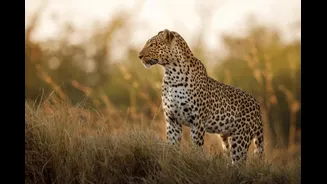
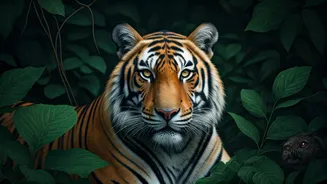
When darkness blankets Corbett, the park's formidable predators begin their nightly reign. The Bengal Tiger, far more active as temperatures drop post-sunset, prowls through forests and along riverbeds, its hunting expeditions often targeting sambar deer and wild boars. Leopards, masters of stealth, silently traverse forest edges and rocky trails, their adaptability allowing them to operate even near human settlements. Smaller yet equally adept hunters like the Jungle Cat silently stalk the grasslands and scrub, preying on rodents and birds hidden in the undergrowth. These apex predators shape the nocturnal ecosystem, ensuring the balance of prey populations.
Diverse Nocturnal Foragers
Beyond the big cats, Corbett's nights are alive with a variety of other active species. Civet cats, both palm and small Indian varieties, emerge from their daytime hiding spots within dense vegetation or tree cover to seek out fruits, insects, eggs, and small animals. The Indian Porcupine, often heard before it's seen due to the rustling of dry leaves, actively forages for roots, bark, and fallen plant matter under the moonlight. Wild Boars are a common sight and sound, their restless movements through grasslands and muddy areas in search of roots and insects often betraying their presence long before they are spotted.
Herbivores and Avian Hunters
The nocturnal landscape also includes vigilant herbivores and skilled avian hunters. Sambar Deer become particularly anxious and alert as night falls, acutely aware of the heightened predatory activity; their loud warning calls are a signal to other animals of approaching danger. Muntjac Deer, typically more quiet, are known to let out startling bark-like calls as they venture out in the late evening or dawn. As night takes hold, various Owl Species begin their silent patrols, gliding through the forests and along riverbanks to hunt rodents and reptiles. Their sudden appearance on a branch is a memorable spectacle for keen observers.
Aerial and Ground Activity
The night sky above Corbett also hosts its own set of active creatures. Flying Foxes, large fruit bats, emerge from their tree roosts in impressive clusters, their expansive wingspans a striking sight as they navigate the air in search of ripe fruits and nectar, particularly near rivers and forest clearings. Meanwhile, on the ground, Wild Boars are often found roaming through grasslands and damp areas, rooting for sustenance like insects and fallen fruits. Their characteristic rustling and grunting can be heard from a distance, highlighting the constant, vibrant activity that characterizes Corbett's nocturnal environment.