





New Language Rule
Beginning May 1st, Maharashtra will enforce a new regulation making proficiency in the Marathi language a mandatory requirement for all licensed auto-rickshaw
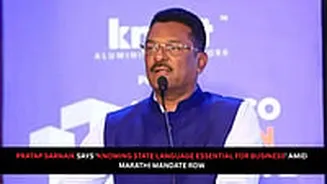
and taxi drivers. Transport Minister Pratap Sarnaik announced that individuals unable to demonstrate the ability to read, write, or speak Marathi could face the revocation of their driving permits. This initiative is set to be accompanied by a widespread verification campaign involving checks at 59 regional transport offices (RTOs) and deputy RTOs. During these assessments, drivers will be evaluated on their Marathi language skills. Furthermore, authorities plan to conduct on-ground inspections. Those who do not pass these evaluations risk losing their operating licenses, with the state aiming to complete this enforcement drive within a one to two-month period. This move is presented as an effort to ensure drivers can communicate effectively and respectfully within the state where they operate.
Enforcement of Existing Law
According to officials, the requirement for drivers to possess a working knowledge of Marathi and local routes is not a new stipulation. This provision has been in place under Rule 24 of the Maharashtra Motor Vehicles Rules, established in 1989, which mandates this knowledge before the issuance of licences and badges for public service vehicles. The current stringent enforcement is described as an effort to uphold an existing regulation rather than introduce a novel one. The Transport Minister highlighted that numerous complaints have been lodged regarding drivers in major cities like Mumbai, Chhatrapati Sambhajinagar, and Nagpur who reportedly either cannot speak Marathi or actively avoid using it. He emphasized that possessing knowledge of the local language is a fundamental expectation for anyone working within the state and is viewed as a sign of respect for Maharashtra. The minister also extended a caution to transport officials, warning of repercussions for any who bypass the established rules during the licensing process.
Driver Concerns Arise
This new policy has generated significant apprehension among various driver associations, many of whom express concerns that the mandate might disproportionately impact migrant workers. A representative from a Mumbai-based auto permit holders' group pointed out that a substantial number of drivers originate from states like Uttar Pradesh and Bihar, and this verification drive could introduce substantial uncertainty regarding their employment and livelihoods. Drivers across the state have also voiced their opinions, characterizing the planned enforcement drives as excessively lengthy and ultimately unnecessary. Dipak Patil, the Maharashtra secretary of the Mumbai Taxi Chalak Malak Sena, suggested that the Marathi proficiency checks should have been integrated into the initial license issuance process by the RTOs. He further noted that many auto-rickshaw and cab drivers are individuals in their late 40s to 60s who may not have had extensive formal education, and for some, it has been many years since they left school, making the acquisition of a new language more challenging. Patil proposed that RTOs should instead focus on organizing educational campaigns and workshops to assist drivers.
Past Legal Battles
It is pertinent to recall that in 2017, the Bombay High Court had previously invalidated a similar directive from the state government that sought to make speaking Marathi a prerequisite for obtaining auto-rickshaw permits. At that time, the court clarified that such a rule specifically pertained to public service vehicles. The court's interpretation was that auto-rickshaws fall under the category of motor cabs, which are typically granted exemptions from these particular regulations. This historical legal challenge underscores the complexities and potential legal hurdles associated with mandating language proficiency for driver licenses, especially when distinctions are made between different types of public transport vehicles.