


Zero-Fat Dietary Basics
Embarking on a zero-fat or zero-oil diet involves drastically reducing or eliminating the consumption of fats and oils from your meals. This dietary shift
often aims at weight loss or managing certain health conditions. However, in the context of Indian cuisine, where ingredients like ghee, coconut oil, and various cooking oils are staples, such a change requires careful consideration. A critical aspect is understanding that not all fats are created equal. Healthy fats are essential for the body to function correctly. Removing all fats can lead to deficiencies. This is especially relevant in India, where traditional dishes often depend on fats for flavor and nutritional content. Therefore, it's vital to know the potential health consequences and how to make balanced dietary adjustments.
Nutrient Loss Concerns
When you drastically limit fats and oils, your body could miss out on vital nutrients. Essential vitamins like A, D, E, and K are fat-soluble, meaning your body needs fat to absorb them. These vitamins play roles in vision, bone health, immune function, and blood clotting. Additionally, fats provide essential fatty acids, the omega-3 and omega-6 varieties, crucial for brain health, cell function, and reducing inflammation. In an Indian diet, where fats often accompany nutrient-rich foods, their absence can affect nutrient absorption. Furthermore, fats contribute to satiety, helping you feel fuller for longer. Without adequate fat intake, you might experience increased hunger, potentially leading to overeating and making weight management more challenging. Therefore, it is important to include a small amount of healthy fats in the diet.
Healthy Fat Alternatives
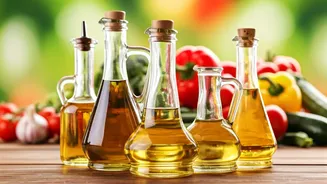
Switching to a zero-fat diet does not have to deprive you of all flavor and nutrition. Certain foods provide healthy fats and essential nutrients. Incorporating sources of monounsaturated fats like avocados and olive oil (in moderation) into your meals can be beneficial. Including polyunsaturated fats, like those found in nuts, seeds, and fatty fish (salmon or mackerel), can support heart health and brain function. For Indian diets, consider incorporating small amounts of ghee or coconut oil, which offer unique nutritional benefits, but it is important to consume these in moderation. Planning your meals to include these healthy fats can ensure you meet your nutritional needs while keeping your diet balanced. Remember that portion control is critical to ensuring your dietary needs are met.
Balanced Indian Diet
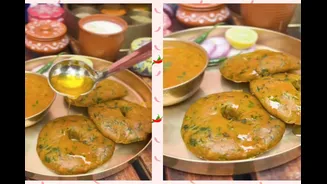
Adapting a zero-fat diet in India requires a thoughtful approach. Consider the cultural context of food consumption. Indian cuisine is characterized by a rich array of spices and methods of cooking. These often involve the use of oil or ghee. When making changes, think about the traditional dishes you enjoy, and look for healthier alternatives. For example, use vegetable broth instead of oil for sautéing vegetables. Include fiber-rich foods such as whole grains, lentils, and fresh produce. Fiber helps with digestion and promotes a feeling of fullness. Moreover, consult a nutritionist or dietitian. They can provide personalized dietary advice, taking into account your individual needs, health conditions, and food preferences. They can guide you through making informed decisions while adapting to a zero-fat or low-fat diet.
Long-Term Health Impacts
The effects of long-term zero-fat diets on health need careful consideration. Although short-term benefits like weight loss may be seen, extended periods of fat restriction can create deficiencies. These deficiencies can lead to various health problems. Vitamin deficiencies, along with omega-3 and omega-6 fatty acid deficiencies, are common concerns. Moreover, the lack of fat can affect hormone production. It can also disrupt your body's ability to absorb vital nutrients. As a result, long-term health is threatened. Ensure the diet provides all essential nutrients. To monitor your well-being, schedule regular check-ups with your doctor. They can assess for nutritional deficiencies and any adverse effects of the dietary changes. By combining a balanced diet with regular health check-ups, you can maintain your health while adapting to a new way of eating.