


Tourism's Central Role
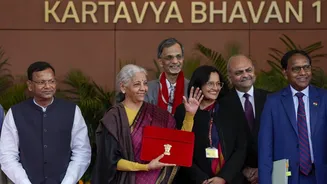
The Union Budget 2026 has made tourism a priority, emphasizing its critical role in fostering job opportunities, generating foreign exchange, and stimulating
local economies. This recognition highlights the government's understanding of tourism's broad impact. The commitment is further reflected in the allocation of resources towards infrastructure development, skill enhancement, and the promotion of cultural heritage. Through strategic investment, the government aimed to unlock the full potential of India's diverse tourism offerings, turning them into engines of economic growth. This renewed focus signifies a proactive approach to leveraging tourism as a catalyst for sustainable development across the country and a cornerstone of the nation’s growth strategy.
Heritage Site Revamp
A major initiative within the budget focuses on transforming 15 archaeological sites into immersive cultural experiences, moving beyond simple sightseeing to create engaging destinations. This project aims to showcase India's rich civilizational heritage, making it more accessible and appealing to both domestic and international travelers. Key sites targeted for development include Raigiri, Lothal, Sarnath, and Hastinapur. The government plans to enhance these locations by improving visitor infrastructure, establishing interpretation centres, curating cultural experiences, and boosting connectivity. The goal is to present these sites not as static monuments, but as vibrant, living narratives that attract and educate visitors, thereby boosting local economies and promoting cultural understanding. This represents a significant move to preserve and celebrate India’s historical legacy.
High-Speed Rail Corridors
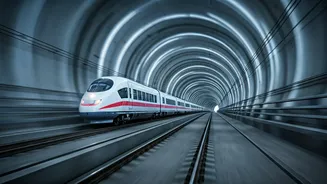
To promote environmentally sustainable passenger systems and improve regional connectivity, the budget proposes the development of seven high-speed rail corridors between major cities. These corridors are designed to reduce travel times, cut down on emissions, and better link key economic hubs. The routes include Mumbai-Pune, Pune-Hyderabad, Hyderabad-Bengaluru, Hyderabad-Chennai, Chennai-Bengaluru, Delhi-Varanasi, and Varanasi-Siliguri. The government anticipates that these high-speed rail projects will contribute to an improved tourism experience, making it easier for visitors to travel between destinations. These infrastructure upgrades are part of a broader strategy to support tourism growth and boost overall economic advancement. The expansion of transportation networks is designed to offer visitors a seamless travel experience.
Tourist Guide Upskilling
The budget highlights an important focus on upskilling the tourism workforce, with a commitment to train 10,000 tourist guides across 20 major tourism sites. This initiative aims to equip guides with enhanced skills, providing visitors with a richer and more informed experience. The training will be conducted through a 12-week program in collaboration with the Indian Institutes of Management (IIMs). The upskilling program is expected to not only improve service quality but also generate local employment opportunities, strengthening heritage conservation, and presenting ancient sites as living narratives rather than static monuments. This strategic investment is designed to elevate the standard of tourism services across the country. This effort to train and develop skilled tourism professionals underscores the importance of a skilled workforce in enhancing the visitor experience.
Buddhist Circuit Focus
The Union Budget 2026 directs considerable attention to developing the Buddhist circuit, particularly in Northeastern states. The government plans to promote heritage tourism linked to Buddhist traditions in Andhra Pradesh, Sikkim, Mizoram, and Tripura. These efforts aim to showcase the cultural richness and historical significance of the Buddhist heritage sites in these regions. The initiative seeks to draw visitors who have a keen interest in historical exploration. By investing in infrastructure, interpretation, and promotion, the government aimed to boost tourism in these areas and boost their economic growth. This focus reflects a strategic approach to tourism development, aiming to unlock the full potential of India’s diverse cultural and historical sites and attract diverse travelers.
Hospitality Institute Plan
The budget also includes the proposal to set up a National Institute of Hospitality. The primary objective of this institute is to bridge the gap between academia, the hospitality industry, and the government. This will ensure that the educational curricula remain current and relevant to the demands of the tourism sector. The institute is aimed to offer cutting-edge training, research, and development. The initiative is designed to create a pool of skilled professionals who are well-equipped to meet the changing needs of the tourism and hospitality sectors. The government plans that the institute will lead to industry standards and support innovation, making it a critical aspect of the larger tourism ecosystem. This proactive step should ensure the availability of a skilled workforce, supporting the expansion and enhancement of the industry.
Additional Tourism Steps
In addition to these major initiatives, the budget outlines several other steps to strengthen tourism infrastructure and experiences across India. These include enhancements to trekking experiences in selected states and the introduction of mountain trains in Uttarakhand and Himachal Pradesh. The government is also considering proposals for a Turtle Trail and a Birdwatching Trail, as well as developing the 15 archaeological sites into immersive cultural destinations. These varied improvements aim to provide a more engaging and diverse range of travel options. By investing in these initiatives, the government hopes to create more reasons for tourists to visit. These multifaceted efforts underline a comprehensive strategy to establish the tourism sector and generate lasting opportunities.