









The Price Disconnect
It's a common expectation that when the raw material becomes cheaper, the final product's price should also decrease. In India, this logic doesn't seem
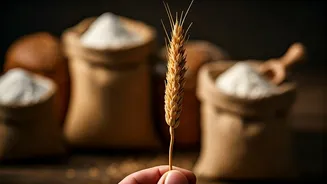
to apply to wheat. While farmers are often selling their wheat at prices even below the Minimum Support Price (MSP) of Rs 25.85 per kg, with wholesale prices in various Madhya Pradesh, Uttar Pradesh, and Rajasthan mandis fluctuating between Rs 23 and Rs 25 per kg in April, consumers are not experiencing any relief. Retail atta prices continue to hover around Rs 36 to Rs 40 per kg nationwide, and branded options often command Rs 40 to Rs 50 or more per kilogram. This stark contrast between the farm gate price and the consumer price raises questions about who is truly benefiting from the lower wheat market rates.
Supply Chain Complexities
The journey of wheat from the farm to the consumer's table involves multiple stages, each adding its own costs and margins. This process includes milling the grain into flour, packaging, branding, transportation, and finally, retail distribution. While these steps are necessary, the system exhibits what agricultural experts call 'asymmetric price transmission.' This means that when the cost of wheat increases, millers and companies are quick to pass on these higher expenses to consumers. However, when wheat prices fall, these entities are significantly slower to adjust their retail prices downwards. This asymmetry allows them to maintain or even expand their profit margins, creating a situation where the benefits of cheaper raw materials are not shared with the end consumer.
Market Structure and Intermediaries
Several factors contribute to the rigid pricing observed in the atta and bread market. The dominance of large Fast-Moving Consumer Goods (FMCG) players in the branded atta segment means that pricing is influenced by more than just input costs; brand value, sophisticated packaging, and extensive distribution networks play a crucial role. In the unorganized sector, local flour mills face their own set of fixed expenses, including electricity, labor, and logistics. Agricultural experts point out that the "middlemen's system" is thriving in this environment. Farmers are compelled to sell their produce at 'throwaway prices' in mandis, while consumers are charged 'premium rates' in retail outlets. This indicates that the farmer's loss from low market prices is not translating into savings for consumers, but rather into profits for intermediaries and branded food companies.
Government Policy and Regional Gaps
Government policies also add layers of complexity to the wheat pricing situation. When wheat prices surge, authorities often implement measures like stock limits and export restrictions to curb inflation. Conversely, when prices dip below the MSP, the government's focus shifts to protecting farmers through procurement initiatives. However, the effectiveness and reach of these procurement systems vary significantly across different states. In states with robust procurement operations, like Punjab and Haryana, wheat prices tend to stay closer to the MSP. In contrast, regions with limited procurement see sharper price drops. This uneven support mechanism exacerbates the price gap, leading to situations where farmers face distress sales and consumers continue to pay high prices for essential food items like atta, a staple for roti in many Indian households.
Who Really Benefits?
Ultimately, the current wheat-atta pricing scenario leaves both farmers and consumers in a difficult position. Farmers in areas with weak procurement systems are forced to sell their hard-earned produce at prices that barely cover their costs, impacting their livelihoods. Simultaneously, consumers are left paying elevated prices for atta, a fundamental ingredient for their daily meals. The system, as it stands, appears to benefit a select group of intermediaries and branded companies who are able to capitalize on the price differential. The question remains whether market regulators and government bodies will take action to address this 'open profiteering' and ensure a fairer distribution of value across the entire wheat supply chain.