


Harness DC Power
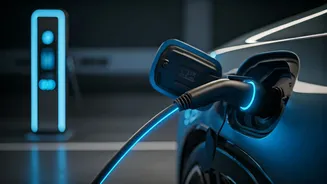
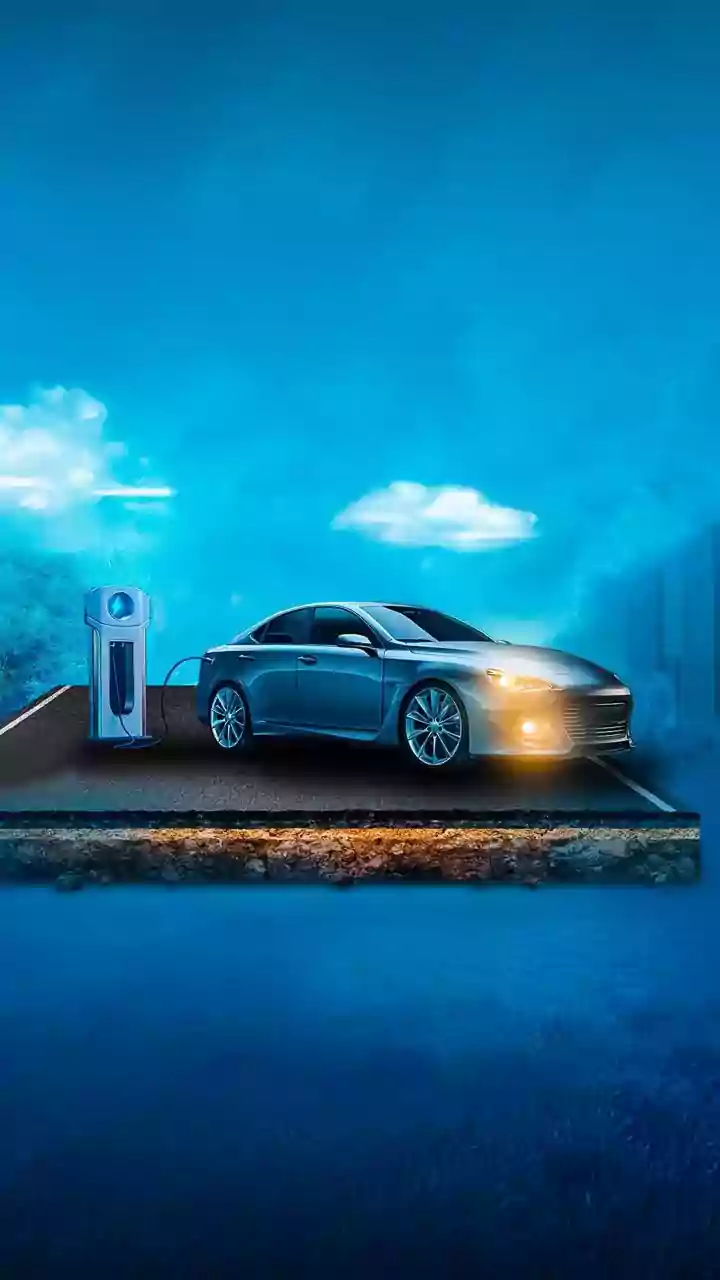
When you need a quick charge, opt for DC fast chargers. These powerhouses deliver significantly more energy to your electric vehicle's battery compared
to standard home chargers. They are engineered to replenish your battery's energy reserves rapidly, often bringing most EVs to an impressive 80% capacity in a fraction of the time. This makes them ideal for road trips or when you're pressed for time, offering a substantial time saving over slower charging methods. However, it's important to use them strategically, as constant reliance on the highest DC charging rates can sometimes impact long-term battery health if not managed correctly.
Optimal Charge Range
For the most efficient and rapid charging experience, aim to plug in your electric vehicle when its battery is between 20% and 80%. During this middle range, the battery is most receptive to accepting a high flow of energy. Once your battery level surpasses the 80% mark, the charging speed naturally tapers off. This is a built-in safety mechanism to protect the battery from overcharging and thermal stress. Therefore, planning your charging stops to utilize this optimal window can shave valuable minutes off your overall charging duration, enhancing convenience without compromising battery integrity.
Precondition Your Battery
Many modern electric vehicles come equipped with a sophisticated battery management system that allows for preconditioning. This feature enables you to actively prepare your battery for charging before you even connect the cable. Depending on the ambient temperature and the vehicle's settings, the system can either warm up or cool down the battery to its ideal operating temperature. A battery within its optimal temperature range can absorb charge much more effectively and rapidly, thereby reducing the total time spent plugged in. This proactive step is crucial for maximizing charging speed, especially in adverse weather conditions.
Mind Temperature Extremes
The performance of your EV's battery is highly sensitive to temperature. Both extreme heat and severe cold can significantly decelerate the charging process. When temperatures soar, the battery management system may limit charging speed to prevent overheating. Conversely, very low temperatures can reduce the battery's chemical reaction efficiency, leading to slower energy intake. To combat this, try to park your EV in a shaded area during hot weather or in a garage during frigid conditions. Maintaining a more moderate battery temperature will ensure a consistently faster and more efficient charging session.
Use Approved Chargers
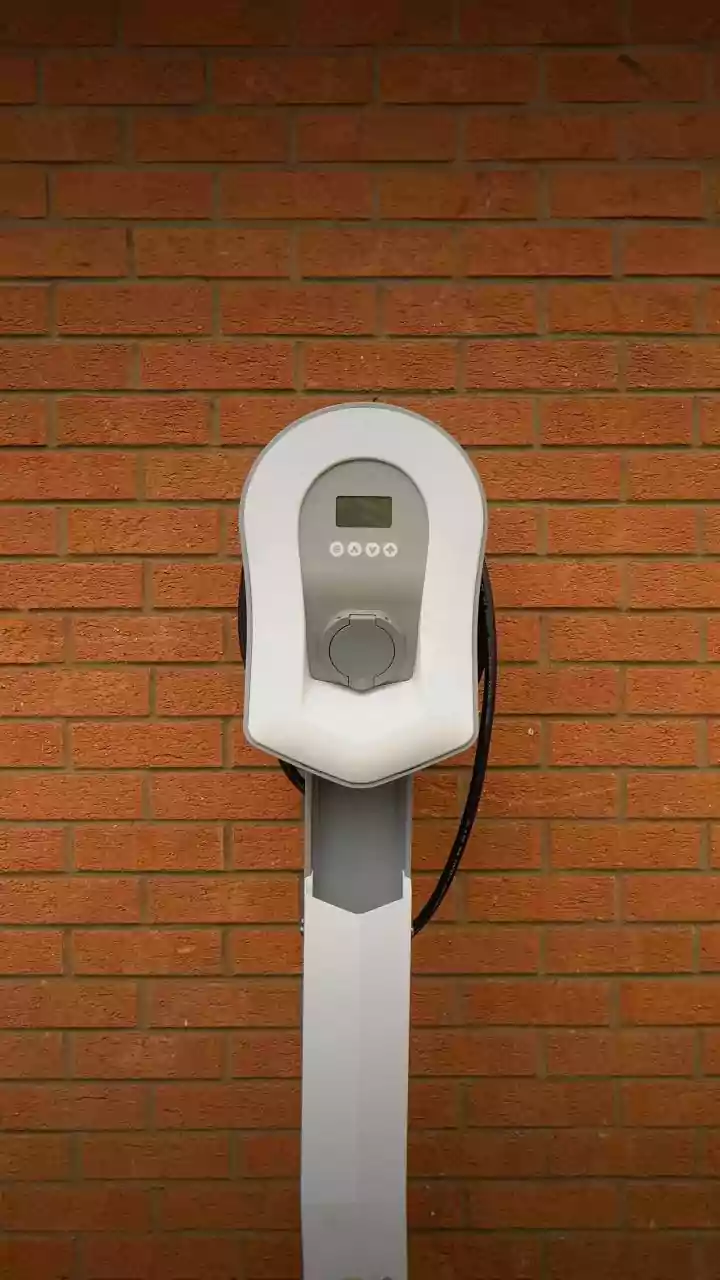
To ensure both speed and safety, it's paramount to exclusively use charging equipment that has been recommended or approved by your electric vehicle's manufacturer. These compatible chargers are specifically designed to meet the precise power and communication standards of your car's battery system. Using unauthorized or incompatible chargers can lead to unstable power delivery, potentially causing damage to sensitive battery components over time. Sticking to manufacturer-approved solutions guarantees a smooth, reliable power flow, facilitating faster charging while diligently protecting your battery's long-term health and warranty.