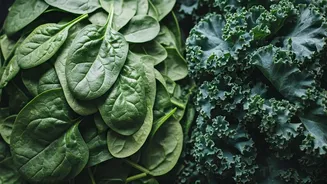








Spinach's Nutritional Powerhouse
Spinach, a true nutritional champion, offers a multitude of health benefits when integrated into a balanced diet. Its high water and fiber content contribute
significantly to daily hydration and digestive well-being. Experts highlight its role in assisting the body's regulation of blood sugar levels, making it a valuable addition for those monitoring their glucose. Furthermore, spinach is a commendable source of iron, crucial for the production of red blood cells, thereby enhancing energy and overall stamina. Beyond these immediate advantages, the abundance of antioxidants like vitamin C, beta-carotene, and lutein supports radiant skin, robust hair, and a fortified immune system. The presence of nitrates positively impacts heart health by improving blood circulation. Additionally, its vitamin K and calcium content are vital for maintaining strong bones, while lutein and zeaxanthin play a protective role in vision, potentially reducing the risk of age-related macular degeneration. The synergistic effect of fiber and potassium further supports cardiovascular health by helping to manage cholesterol levels. Regular consumption can lead to enhanced iron absorption and can be a helpful aid in weight management strategies, provided it complements a diet rich in other essential food groups.
The Raw Spinach Dilemma
While the nutritional bounty of spinach is undeniable, consuming it raw presents certain considerations that experts advise addressing. Spinach contains a natural compound known as oxalic acid. This substance has the capacity to bind with essential minerals, such as calcium and iron, within the body, forming insoluble crystals. When spinach is eaten in its uncooked state, the oxalic acid remains intact and can impede the efficient absorption of these vital nutrients. To mitigate this, cooking spinach, even through a brief steaming or blanching process, is recommended. This process not only aids in breaking down the oxalic acid but also serves to eliminate any potential bacteria, ensuring a safer consumption experience. For individuals particularly sensitive to acidity, cooking spinach can also make it easier to digest and prevent potential discomfort like constipation. It's important to note that while raw spinach can lead to reduced nutrient absorption, its consumption is generally considered safe for most people, with the primary concern being the interference with mineral uptake.
Maximizing Benefits Wisely
To truly harness the full spectrum of spinach's health-promoting properties while circumventing potential issues, thoughtful preparation and mindful consumption are key. Experts suggest that excessive intake of spinach can lead to an overload of oxalates, which, as mentioned, can hinder the absorption of iron. To enhance iron bioavailability, pairing spinach with sources of vitamin C, such as a squeeze of lemon juice or including oranges in your meal, can significantly improve absorption. A recommended frequency for enjoying spinach is around three to four times per week, ensuring moderation. For optimal nutrient retention and digestive support, it's advised to blend or lightly blanch spinach rather than juicing it, as this preserves its beneficial fiber content, which aids in promoting satiety. Further enhancing its nutritional profile can be achieved by combining spinach with other hydrating and alkaline ingredients like cucumber or celery. It's also worth noting that consuming spinach alongside dairy products should be avoided, as the calcium present in dairy can interfere with iron absorption.