






The Ice Cream Enigma
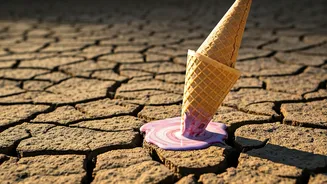
Ice cream, a beloved dessert across India and the globe, often triggers a surprising aftereffect: thirst. This seemingly contradictory experience stems
from the complex interplay of ingredients and how our bodies react to them. While ice cream provides a temporary cooling sensation, it simultaneously sets off a chain reaction that can leave you feeling dehydrated. The very elements that make ice cream delicious and refreshing – sugar, fat, and salt – play key roles in this phenomenon. Understanding these factors provides valuable insight into this common, yet often overlooked, experience.
Sugars and Hydration
A primary contributor to ice cream-induced thirst is the high sugar content. Sugars like sucrose (table sugar) and glucose, abundant in most ice cream varieties, act as osmotic agents. They draw water from your cells into the bloodstream to maintain a balanced concentration. This process can lead to cellular dehydration, triggering your thirst mechanism. Furthermore, the body needs water to metabolize sugar. The more sugar you consume, the more water your body utilizes to process it, potentially leading to dehydration if fluids aren't replenished. This is particularly noticeable after indulging in large quantities of ice cream.
Fats and the Body
The fat content in ice cream contributes to the thirst sensation, although indirectly. Fatty foods generally take longer to digest compared to carbohydrates or proteins. This extended digestion process requires significant resources from the body, including water. The body diverts water to aid in the breakdown of fats, potentially leading to a feeling of thirst. Moreover, some individuals may experience a slightly delayed gastric emptying rate after eating fatty foods like ice cream. This can result in a more prolonged sensation of fullness and, as a consequence, a heightened awareness of thirst. The type of fat can also matter.
Salt's Impact
Salt, though not always a primary ingredient, can play a significant role. Some ice cream recipes and flavorings include added salt to enhance the overall taste profile. Salt is a known electrolyte that can impact fluid balance. Consuming salty foods can cause the body to draw water from cells to dilute the sodium concentration in the bloodstream. This cellular dehydration signals the thirst mechanism, prompting you to drink more fluids. Even small amounts of salt can contribute to this effect, especially if you're not adequately hydrated beforehand. This effect is amplified when salt is combined with other dehydrating agents like sugar.
The Dehydration Cycle
The combined effects of sugar, fat, and potentially salt create a cycle of dehydration. The high sugar content draws water from cells, the digestion of fat utilizes bodily fluids, and salt further exacerbates fluid imbalance. The body's response is to signal thirst, encouraging you to replenish fluids. However, if the water intake doesn't sufficiently replace the lost fluids, dehydration can occur. This can manifest as dry mouth, fatigue, and a general feeling of malaise. It’s important to stay hydrated, especially after enjoying ice cream, by drinking water or other hydrating beverages.
Individual Factors
Individual factors also influence how ice cream affects hydration. Metabolism, overall health, and dietary habits all play a part. Someone with a faster metabolism may process the ingredients differently. Furthermore, pre-existing conditions like diabetes can heighten the effects of sugar and increase thirst. Those who regularly consume sugary and salty foods might be more susceptible to the dehydrating effects. The amount and type of ice cream consumed are also contributing elements. A large portion with many additives is more likely to cause significant thirst than a small, simpler serving. Paying attention to personal responses is helpful.
Mitigating Thirst
Several strategies can help mitigate the thirst triggered by ice cream. Drinking water before and after consuming ice cream is a simple yet effective method. Choosing ice cream options lower in sugar and fat can lessen the dehydrating impact. Opting for water-based ice pops or sorbets instead of creamy varieties may be better choices. Additionally, consuming ice cream as part of a balanced meal, with fibrous foods, can help regulate blood sugar levels and reduce thirst. Being mindful of portion sizes also helps. Making these small adjustments can allow one to enjoy the treat without experiencing excessive thirst.