





Bridging the Congestion Gap
South Mumbai is on the cusp of a significant transportation upgrade with the construction of two vital bridges designed to alleviate long-standing traffic
congestion, particularly in areas like Byculla and Mazgaon. These new structures aim to create a high-speed north-south corridor, drastically cutting down travel durations. Currently, journeys that take 30-45 minutes during peak hours, such as the commute between CSMT (Fort) and Byculla, are expected to be reduced to under 10 minutes once the entire network is operational. This project is a forward-thinking initiative to accommodate the city's growing vehicular density and ensure more efficient movement throughout the island city. The strategic linking of these bridges is expected to be a game-changer for daily commuters, offering a seamless travel experience.
Engineering the New Y Bridge
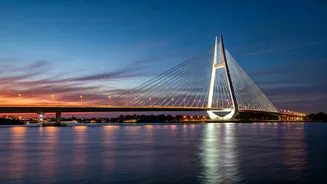
At the heart of this transformation is a new 916-meter cable-stayed bridge being constructed in Byculla. This modern marvel is set to replace the century-old Y bridge, which a recent structural audit has deemed unsafe for current traffic volumes. The existing route forces motorists to navigate through heavily congested junctions like Richardson and Crudas and Sabboo Siddik, especially during rush hours. The proposed cable-stayed structure, featuring six vehicular lanes, will not only be wider to cater to future needs but also boasts an aesthetic design with illumination systems that will reflect Mumbai's unique identity. Furthermore, it will include a selfie point, adding a touch of public engagement to this engineering feat. This bridge is 78 percent complete and is slated for opening by November 2026.
The Connecting Flyover
Complementing the new Y bridge is a second, 848-meter flyover designed to provide a crucial link between Byculla and Mazgaon, areas that currently lack direct elevated connectivity. This flyover will extend from the existing JJ flyover, creating a continuous, high-speed arterial route. It will feature four vehicular lanes, designed as a high-speed corridor to facilitate rapid transit. With work orders issued and construction underway, this flyover is anticipated to be completed by early 2028. The absence of this direct link previously necessitated travel through congested surface-level junctions. This new addition promises a fluid transition, ensuring that traffic flows unimpeded between these key South Mumbai locations, thus enhancing overall connectivity and reducing transit times significantly.
Project Scope and Investment
The ambitious undertaking to enhance connectivity in South Mumbai comes with a substantial investment, pegged at a total of Rs 1,841 crore. The new cable-stayed bridge in Byculla represents an individual investment of Rs 280 crore, while the larger connecting flyover project has an estimated cost of Rs 1,561 crore. Officials have noted that the cable-stayed flyover's suspended design, which allows it to pass over railway tracks, contributes to its relatively lower cost compared to conventional structures. This strategic financial allocation underscores the government's commitment to long-term infrastructure development aimed at significantly mitigating traffic congestion within the island city and preparing it for future growth.