Gur's Sweet Origins
Gur, also known as jaggery, holds a significant place in Indian culinary traditions, dating back centuries. This unrefined sugar, created from concentrated
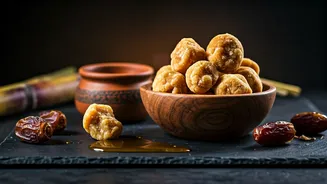
sugarcane juice or palm sap, is a cornerstone of Indian sweets and savory dishes. Its rich, molasses-like flavor and natural sweetness have made it a favored alternative to refined sugar. Gur’s origins lie in the ancient practice of extracting and processing sugarcane juice, a method that continues to be practiced today. The process involves boiling the juice until it thickens and crystallizes, resulting in a solid, flavorful block. It's often associated with auspicious occasions and celebrations across the country, highlighting its cultural importance. Gur's popularity extends beyond its taste, as it is also valued for its perceived health benefits, often incorporated in Ayurvedic practices for its medicinal properties. The simplicity of its creation, combined with its nutritional value and unique taste, has cemented gur's place in India's culinary and cultural landscape, linking it to the country's past and present.
The Making of Gur
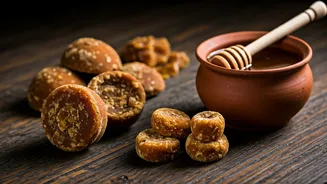
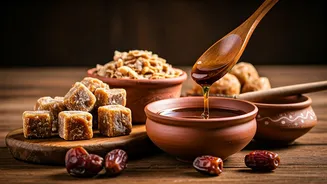
The journey from sugarcane or palm sap to gur is a meticulous process that preserves the natural goodness of the raw materials. The process initiates with the extraction of juice from sugarcane stalks or the sap of palm trees. This juice is then filtered to remove impurities and sediment. Following filtration, the juice is boiled in large open pans or kettles. Skilled artisans carefully monitor the boiling process, ensuring the liquid reaches the correct consistency and temperature. As the water evaporates, the juice thickens and starts to crystallize. The artisans stir the mixture continuously to prevent burning and promote even caramelization. Once the desired consistency is reached, the thick, syrupy mixture is poured into molds, where it cools and solidifies into blocks or cakes. These blocks are left to dry and harden, which prepares them for storage and usage. The entire process requires expertise and careful attention, as the final product's quality depends on factors like the type of sugarcane, boiling time, and cooling method. The simple process transforms a basic ingredient into a treasure in Indian cuisine.
Gur and Culture
Gur plays a pivotal role in Indian culture, representing more than just a sweetener; it's a symbol of tradition and prosperity. In many Indian homes, gur is considered auspicious and is often consumed before starting any important task or celebration. It's offered during religious ceremonies and festivals, signifying good luck and blessings. The giving of gur is a gesture of hospitality and goodwill, reflecting the warmth and generosity of Indian culture. It is frequently incorporated into the preparation of traditional sweets and delicacies, making them even more special. The use of gur is often tied to seasonal celebrations and regional customs, highlighting the diverse ways it is appreciated across India. Its association with well-being further boosts its cultural importance, as people believe it to have properties that are good for health. This deep connection to culture, traditions, and well-being has cemented gur's importance in the everyday lives of many people.
Regional Gur Varieties
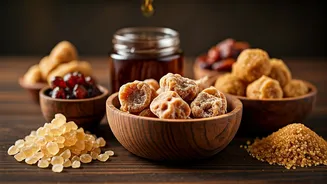
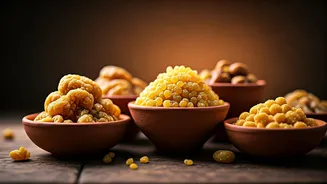
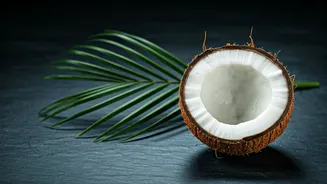
India's diverse landscape and varied agricultural practices have led to various types of gur, each boasting its unique flavor and characteristics. The most common type is made from sugarcane, with variations based on the region and the processing methods. Palm gur, derived from the sap of palm trees, has a richer taste and is popular in certain regions, often used in desserts and sweets. Coconut gur, also made from the sap of coconut palms, offers a unique flavor profile and texture. The color and texture of gur can vary, from light golden brown to dark brown, depending on the manufacturing processes. Each region has specific preferences for gur types, often linked to local crops and culinary customs. In some areas, gur is combined with spices like cardamom or ginger to enhance its flavor. The variations in gur reflect the country's agricultural diversity and the nuanced culinary customs of different areas. This adds to the depth of Indian cuisine.
Delectable Gur Dishes
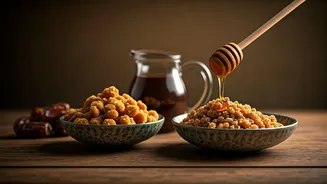
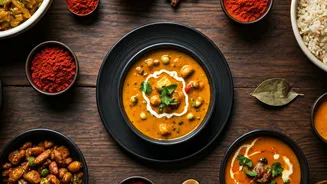
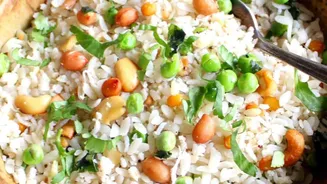
Gur is a fundamental ingredient in a range of traditional Indian delicacies, giving them a special flavor. Gur is frequently utilized in the creation of a variety of sweets, including 'chikki', which is made with peanuts and jaggery, and 'gajak', a brittle treat. 'Gur para', a sweet pastry, also showcases the versatility of gur. Gur is also used in savory dishes to balance flavors. 'Gur rice' is a popular dish in certain regions, combining rice with jaggery and spices. Gur is sometimes used in 'dal' or lentils, providing a hint of sweetness. The ability of gur to add depth and complexity to both sweet and savory dishes distinguishes it as a versatile component in Indian cuisine. Each dish offers a unique experience. These traditional dishes, passed down through generations, demonstrate the integral place gur has in the country's culinary traditions.
Gur's Nutritional Benefits
In addition to its exquisite taste, gur is also linked to various health advantages. Gur is a source of essential nutrients like iron, which supports the body's hemoglobin levels. It also contains minerals like magnesium and potassium, contributing to general well-being. Gur is frequently included in Ayurvedic practices for its medicinal qualities, including its ability to assist with digestion. It's considered to be a cleaner choice than processed sugar because it is unrefined and retains some of the nutrients from the sugarcane or palm sap. Consuming gur in moderation can provide health benefits, making it a good supplement to a balanced diet. Its natural composition and traditional use provide a well-rounded approach to health and taste.
Gur and Modern Times
While steeped in tradition, gur is adapting to the evolving modern landscape. There's a growing awareness of the benefits of traditional ingredients like gur, prompting its resurgence in the health and wellness space. Manufacturers are developing innovative products. Gur is being included in contemporary snacks and drinks. Traditional recipes are being reinterpreted with a modern touch, appealing to younger generations. The rising interest in local and natural foods has further propelled gur's appeal. The emphasis on sustainable and ethical practices is also influencing the way gur is produced and marketed. The marriage of tradition with modernity is driving gur's success in the 21st century. This blend ensures that this age-old sweetener continues to thrive in the modern food world.