






Historical Overview
Karnataka's history is as multifaceted as its geography. The region has been ruled by various dynasties, each leaving its mark on the state's cultural
fabric. The Chalukyas, Hoysalas, and Vijayanagara Empire, among others, shaped Karnataka's art, architecture, and religious practices. The Vijayanagara Empire, in particular, left a significant legacy with its grand capital, Hampi, a UNESCO World Heritage site. This glorious past is evident in the numerous temples, forts, and monuments that dot the landscape. The influence of these empires can still be seen today in the state's language, cuisine, and social structures. Karnataka's history is not just a collection of dates and rulers; it is a story of continuous evolution and adaptation.
Cultural Vibrancy
Karnataka's cultural landscape is a vibrant blend of traditions, languages, and art forms. Kannada, the predominant language, is spoken by the majority of the population and serves as a unifying force. The state's rich literary heritage, dating back centuries, includes classical and modern works. Music and dance play an important role, with classical forms like Carnatic music and Bharatanatyam flourishing alongside folk traditions. The state is renowned for its colorful festivals like Dasara and Karaga, which showcase the state’s cultural richness and religious diversity. Traditional crafts, such as silk weaving and sandalwood carving, are also integral to the cultural identity, representing the skill and artistry passed down through generations. These cultural practices are not just for display; they are a living, breathing part of the daily lives of the people.
Natural Landscapes
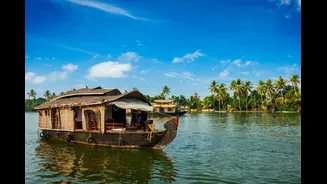
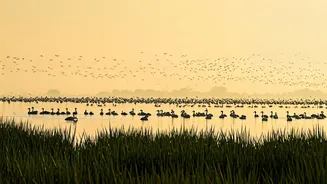
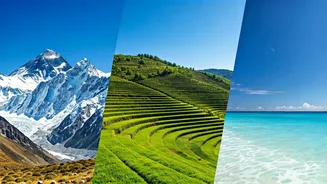
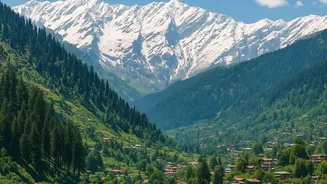
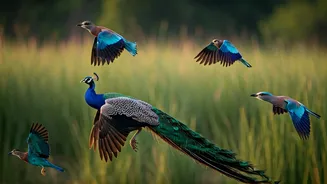
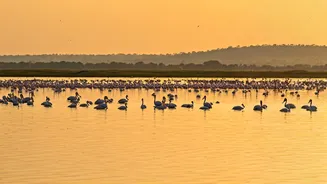
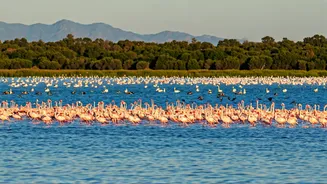
Karnataka's natural beauty is as diverse as its cultural heritage. The state boasts a range of landscapes, from the Western Ghats to the coastal plains. The Western Ghats, a UNESCO World Heritage site, are home to lush forests, cascading waterfalls, and diverse wildlife. Places like Coorg and Agumbe offer stunning views and opportunities for trekking and nature exploration. The coastal region features pristine beaches and backwaters, with destinations like Gokarna and Mangalore drawing tourists. Karnataka is also known for its national parks and wildlife sanctuaries, such as Bandipur and Nagarhole, providing habitats for tigers, elephants, and other species. The climate varies greatly, contributing to the distinct character of the state's ecological zones. This variety makes Karnataka a perfect destination for those seeking nature escapes.
Major Cities and Centers
Karnataka has several prominent cities that serve as significant centers for commerce, education, and culture. Bangalore, the capital, is a major IT hub and a rapidly growing metropolis. It is known as the 'Silicon Valley of India,' and is a diverse city with a vibrant social and cultural scene. Mysore, the cultural capital, is famous for its palaces, gardens, and the Dasara festival. Hubballi-Dharwad is a prominent educational and commercial center. Other cities like Mangalore, known for its port and coastal charm, and Belagavi, with its rich history, contribute to the state’s urban diversity. These cities play a crucial role in shaping the social and economic landscape of Karnataka and offer unique experiences to residents and visitors alike. Each city has its own distinct character, reflecting the region's broader cultural and historical tapestry.