






Collagen's Real Skin Impact
Many individuals, like a 30-year-old patient, turn to collagen supplements and creams hoping to diminish wrinkles and maintain youthful skin. While these
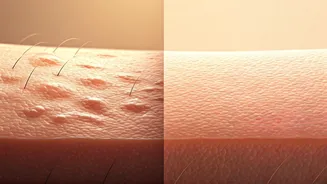
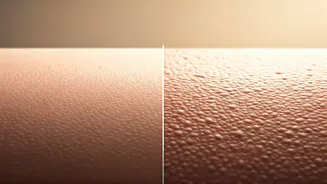
products can offer noticeable improvements, such as enhanced skin plumpness and hydration, leading to a more toned appearance, they are not the miracle solutions often portrayed on social media. Studies, some potentially influenced by manufacturers, suggest that while collagen can boost the skin's aesthetic appeal, it doesn't halt or reverse the inherent biological processes of aging. Factors like cellular damage, hormonal shifts, environmental exposure, and genetic predispositions continue to affect skin health regardless of collagen intake. Therefore, the expectation that collagen will prevent or undo aging signs is a common misconception that needs clarification.
Why Collagen Declines
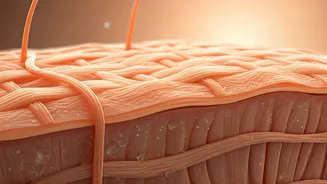
Our bodies naturally produce collagen, a vital protein responsible for maintaining skin's firmness, smoothness, and elasticity. However, this production begins to wane, typically starting in our mid-twenties. This gradual decrease leads to a loss of skin elasticity, manifesting as fine lines, deeper wrinkles, and sagging skin. Several factors contribute to this decline. Consuming excessive sugar can lead to a process where collagen fibers become stiff and brittle, compromising their structural integrity. Additionally, hormonal changes, such as the drop in estrogen levels experienced during menopause, also play a significant role in reducing collagen synthesis and overall skin resilience.
Where Amino Acids Go
When you consume collagen in the form of supplements or food, your body doesn't deliver it directly to your skin or facial tissues. Instead, it undergoes digestion and breaks down into its fundamental components: amino acids. These liberated amino acids then enter the body's general amino acid pool, becoming available for use wherever the body deems them most crucial. This means that your body's needs for these building blocks might lie elsewhere, not necessarily prioritizing wrinkle reduction or skin repair. Therefore, the notion that ingested collagen directly targets and replenishes the skin's collagen reserves to combat wrinkles is a simplification of a more complex biological process.
Aging Factors Beyond Collagen
The aging process is a multifaceted phenomenon influenced by a wide array of lifestyle and environmental variables. While collagen can contribute to maintaining skin quality, its effectiveness is significantly amplified or diminished by other everyday habits. Key influencers include prolonged exposure to the sun's harmful ultraviolet rays, dietary choices, the level of stress experienced, the quality and duration of sleep, and an individual's overall health status. Recognizing and managing these factors are paramount for preserving skin health and mitigating the visible signs of aging, rather than relying solely on collagen products.
Effective Wrinkle Control
For robust wrinkle prevention and management, a multi-pronged approach is far more effective than solely relying on collagen. The most critical step is consistent use of sunscreen to shield the skin from damaging UV radiation, which accelerates collagen breakdown. Topical retinoids are also highly beneficial, as they can stimulate the skin's natural collagen production and counteract enzymes that degrade existing collagen. Beyond topical treatments, adopting a healthy lifestyle is crucial. This includes maintaining a balanced diet rich in nutrients, refraining from smoking, and diligently managing sugar intake. These foundational elements create an optimal internal environment that supports skin structure and resilience more effectively than collagen supplements alone.