


A Grand Vision
Shalini Passi's opulent 20,000-square-foot Delhi residence, situated in the prestigious Golf Links neighborhood, is a testament to the profound connection
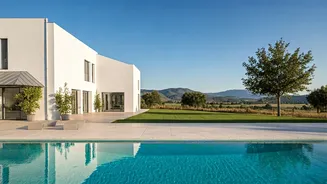
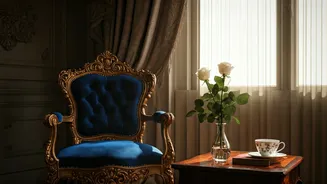
between architecture, art, and individual philosophy. This sprawling bungalow, meticulously crafted over five years, is not merely a dwelling but a curated experience, reflecting Passi's personal journey and artistic sensibilities. The structure itself is a marvel, featuring a graceful curved design that opens onto meticulously kept grounds, presided over by a striking 25-foot Buddha head sculpture by the renowned artist Subodh Gupta. This architectural backdrop, characterized by clean white facades, warm wooden elements, and generous expanses of glass, creates a subtle contrast with the vibrant, art-filled interiors, orchestrating a rich, multi-layered sensory encounter for all who enter. The home unfolds as a dynamic exhibition space, meticulously assembled with an eclectic array of paintings, sculptures, avant-garde installations, and collectible designer pieces like Fornasetti bureaus and Gio Ponti decorative items, interspersed with ornate gilt-wood mirrors and significant works, such as an MF Husain painting. Contrary to what one might expect from such a lavish display, Passi emphasizes that her home is a living entity, continuously re-imagined through the regular rotation and reintroduction of artworks, preventing any sense of static permanence and ensuring a perpetual sense of novelty and engagement within its walls.
Harmony of Elements
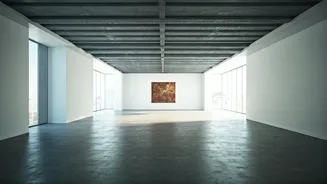
The design of Shalini Passi's residence transcends mere visual appeal, focusing on creating an environment that fosters both mental stimulation and serene respite. The central, cathedral-like space is bathed in natural light, courtesy of expansive glass windows that artfully frame both the internal artworks and the verdant exterior landscape. This thoughtful integration of natural light enhances the sense of space and connects the inhabitants with their surroundings. To counterbalance the visual richness, the interior is softened with luxurious textures and materials. Plush carpets, intricate Persian rugs, cool marble flooring, and shimmering crystal chandeliers add layers of warmth and sophistication. These elements are complemented by detailed woodwork, contributing to the home's inviting atmosphere. Outdoor amenities such as a swimming pool and a tranquil gazebo offer dedicated areas for relaxation, creating pockets of calm amidst the grandeur. The overall design achieves a remarkable equilibrium, presenting a visually engaging environment that simultaneously offers a sense of openness and provides spaces for quiet contemplation, ensuring that the home functions as both an inspiring gallery and a personal sanctuary.
Art and Psyche
Shalini Passi's personal philosophy, encapsulated by her advice to 'be the star of your own show,' finds a vivid expression in the bold and unapologetic maximalism of her home. This approach to life suggests a deliberate creation of a persona, perhaps to foster selective social engagement, allowing for deep connections with friends while maintaining a degree of personal privacy. Such an interplay between outward expression and inner guardedness can be observed in how spaces are designed, influencing what is revealed and what remains intentionally private. These design decisions prompt contemplation on the profound impact that art-rich, scaled, and symbolically charged interiors have on our emotional states, our behaviors, and even the dynamics of our relationships. The question arises: how do environments characterized by intricate detail and visual richness influence our focus, ignite our creativity, and contribute to our overall mental well-being? The way a home is curated can mirror and even shape the occupant's personality and lifestyle, blurring the lines between personal space and public presentation.
Creative Stimulation
According to Sonal Khangarot, a licensed rehabilitation counselor and psychotherapist, homes like Shalini Passi's, which embrace a maximalist aesthetic, offer a highly stimulating visual environment brimming with diverse art, varied textures, and layered objects. Psychologically, these richly detailed spaces can exert a dual influence: they have the potential to significantly boost creativity by providing a continuous stream of sensory input, thereby sparking novel ideas and encouraging associative thinking, particularly for individuals who flourish in dynamic settings. The curated art within such homes can also serve as a powerful catalyst for emotional expression and the realization of personal meaning, contributing positively to an individual's sense of well-being. However, Khangarot cautions that an excess of visual stimulation might pose a challenge for maintaining focus, especially for those who are more susceptible to anxiety or tend to experience cognitive overload. The brain's constant processing of visual cues can lead to mental fatigue or distraction. Therefore, the key to successfully integrating maximalism lies in achieving a crucial balance: creating intentional 'pockets of visual rest' within these richly adorned spaces allows the mind the necessary opportunity to reset and recover, thereby harnessing the benefits without succumbing to overwhelm.
Minimalist Contrast
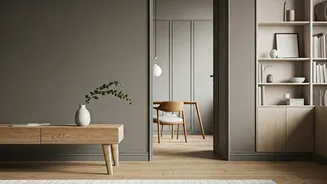
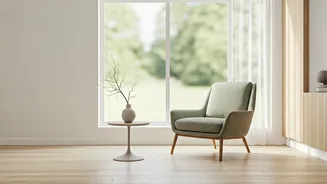
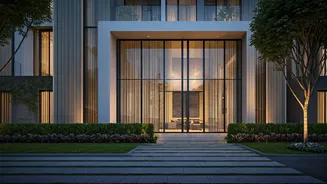
The juxtaposition of a minimalist exterior with elaborately layered interiors, as seen in residences like Shalini Passi's, creates a compelling psychological narrative. Khangarot explains that a minimalist exterior typically cultivates feelings of calm, order, and predictability, offering a sense of grounding and safety as one approaches the space, signaling a period of restraint. In stark contrast, stepping into a maximalist interior can feel profoundly immersive and invigorating, akin to entering an entirely different psychological realm. This transition, Khangarot observes, can heighten emotional engagement, pique curiosity, and foster a sense of discovery. When this interplay is skillfully managed, the simplicity of the exterior amplifies the perceived vibrancy of the interior, while the intensity within makes the exterior feel even more stabilizing. This balanced contrast allows individuals to seamlessly transition between states of calm and stimulation within their own homes, effectively supporting both relaxation and the flourishing of creative endeavors.