





Trade Deal Breakthrough
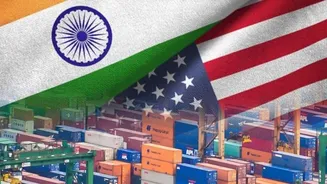
A significant development in international commerce has been marked by the recent agreement between India and the United States concerning trade. This
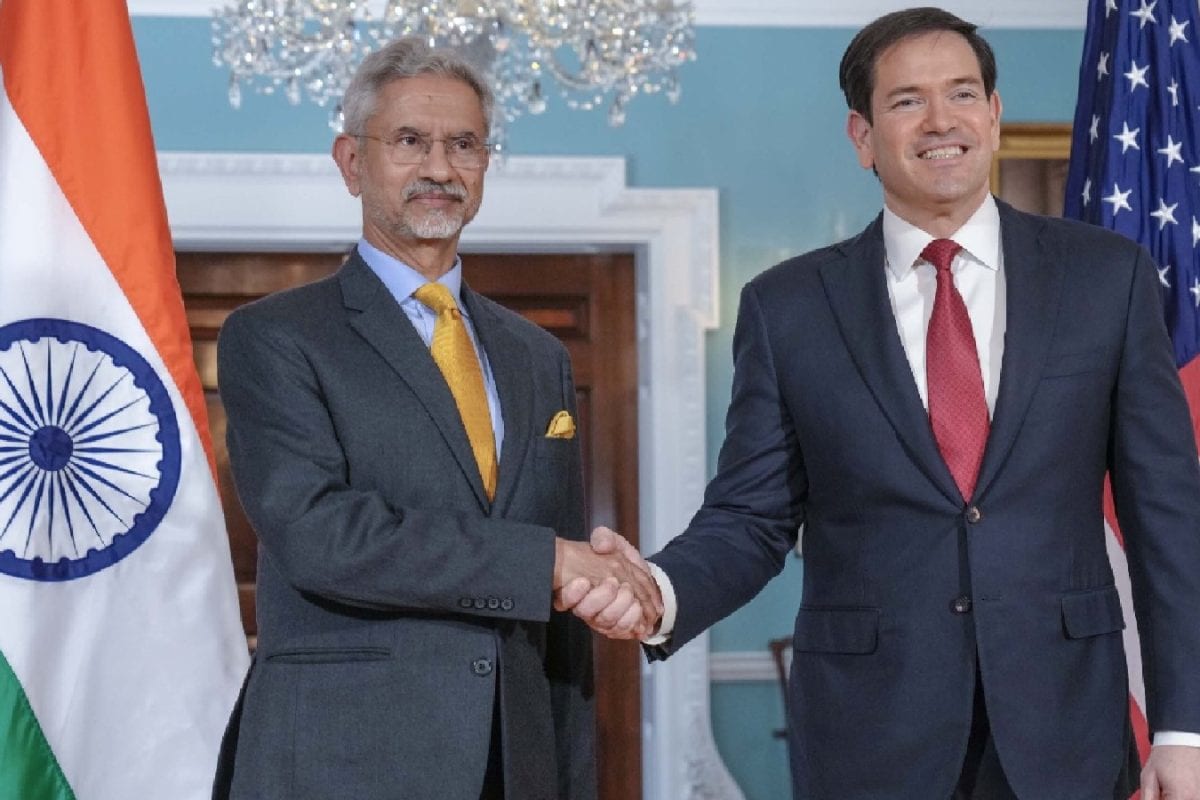
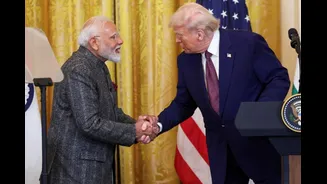
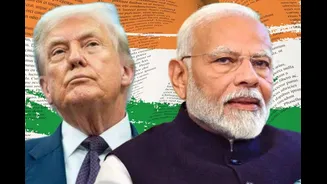
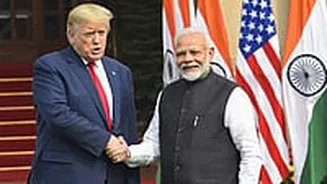
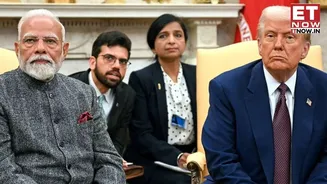
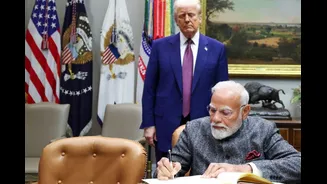
accord, stemming from discussions between Prime Minister Narendra Modi and US President Donald Trump, has led to a substantial reduction in reciprocal tariffs. Specifically, Washington has decreased its tariff on Indian imports from a previous 25 percent down to 18 percent, a move that has been met with considerable optimism. External Affairs Minister S Jaishankar publicly welcomed this development, emphasizing its potential to bolster India's ambitious 'Make in India' program. He articulated that the agreement is poised to be a catalyst for increased job creation, a boost to economic expansion, and a driver for innovation within both nations. This positive outlook underscores the perceived strength and vast potential of the economic engagement between the two countries, forming a robust foundation for their strategic partnership.
Boosting 'Make in India'
The recently forged India-US trade agreement carries significant implications for India's flagship 'Make in India' initiative, promising to amplify its impact. With the United States lowering its reciprocal tariff on Indian goods to 18 percent, products manufactured in India are poised to become more competitive in the American market. This tariff reduction is anticipated to not only encourage greater export volumes but also stimulate domestic manufacturing and industrial growth across India. External Affairs Minister S Jaishankar's enthusiastic endorsement of the deal highlights its capacity to foster an environment conducive to innovation and entrepreneurship. By making Indian products more accessible and affordable internationally, the pact aims to create more employment opportunities and drive overall economic prosperity, reinforcing the strategic objective of enhancing India's manufacturing prowess and global economic footprint.
Economic Growth Catalyst
The newly established trade arrangement between India and the United States is widely expected to serve as a potent engine for economic growth in both countries. The reduction in tariffs, particularly the drop from 25 percent to 18 percent on reciprocal tariffs, is projected to significantly enhance trade flows. This increased trade activity is anticipated to stimulate manufacturing, encourage investment, and ultimately lead to the creation of more jobs. Furthermore, the agreement signals a commitment to fostering innovation, suggesting that businesses in both nations will benefit from a more dynamic and competitive environment. The positive sentiment surrounding the deal, as expressed by leaders like EAM Jaishankar, points towards a future where enhanced economic cooperation becomes a cornerstone of the broader strategic relationship between India and the US, unlocking substantial opportunities for mutual benefit.
Bilateral Trade Dynamics
The recent trade dialogue between India and the US has culminated in a pivotal agreement that reconfigures their bilateral trade dynamics. President Donald Trump announced that Washington would reduce its reciprocal tariff rate to 18 percent, a move he characterized as part of a trade deal effective immediately. This adjustment is intended to encourage India to decrease its own tariffs and non-tariff barriers against US imports. In return, Prime Minister Modi expressed his delight that 'Made in India' products would benefit from this reduced tariff of 18 percent. The agreement also touches upon India's energy and technology procurements from the US, with commitments for significantly higher purchases. This multifaceted approach aims to create a more balanced and mutually beneficial trade relationship, strengthening the economic ties that underpin the strategic partnership between the two nations.