





Matcha's Rise to Fame
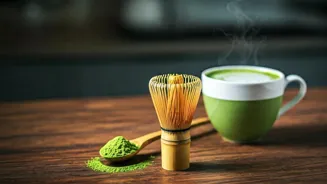
Matcha, a finely ground powder made from green tea leaves, has recently captured the attention of health enthusiasts and celebrities alike. The drink's
appeal extends far beyond its distinctive flavor profile; it is packed with antioxidants and touted for its potential health benefits. The recent endorsement by actor Ranbir Kapoor highlights matcha's increasing popularity within the Indian context, prompting a deeper investigation into its impact on well-being and its viability as a daily beverage. It's not just a trend; it's a lifestyle choice, promoted by those seeking a delicious and health-conscious option.
Matcha vs. Coffee
The comparison between matcha and coffee often comes up when discussing healthy beverage options. Coffee, a staple for many, provides an immediate energy boost due to its high caffeine content. Conversely, matcha offers a more sustained energy release. The presence of L-theanine in matcha helps to mitigate the jitters often associated with coffee, offering a calmer, more focused energy state. Furthermore, coffee is a brewed beverage, and matcha is consumed by whisking the powder into hot water. It means you're ingesting the entire tea leaf in matcha, thereby, consuming a higher concentration of antioxidants and other nutrients. However, it's essential to note that both coffee and matcha can be enjoyed as part of a balanced diet; the choice often comes down to individual preferences and how one's body reacts to caffeine.
Matcha vs. Tea
When comparing matcha to regular tea, key distinctions emerge. Matcha, like regular tea, originates from the Camellia sinensis plant. However, the cultivation process differs significantly, influencing the resulting nutritional profile. Matcha plants are shaded for several weeks before harvest, increasing their chlorophyll and amino acid content, including L-theanine. This process enhances matcha’s vibrant green color and complex flavor. Traditional tea leaves undergo oxidation, a process which can alter the composition of their components. Matcha, consumed in its powder form, offers a higher concentration of nutrients. It is also a more efficient way to consume tea. Therefore, the nutritional benefits of matcha often surpass those of regular tea. This makes matcha an interesting option for health-conscious individuals looking to optimize their intake of antioxidants and other beneficial compounds.
Health Perks of Matcha
Matcha offers an impressive range of health benefits. Primarily, it is loaded with antioxidants, particularly catechins, which fight free radicals and protect cells from damage. Regular consumption of matcha can improve heart health by reducing LDL cholesterol levels. It may also promote better cognitive function due to the combination of caffeine and L-theanine. It’s been linked to enhanced focus and concentration. Further, research suggests matcha can aid in weight management by increasing metabolism and promoting fat burning. This makes it an interesting option for those seeking holistic health benefits. It is important to remember that these advantages are most effective when matcha is incorporated into a broader healthy lifestyle, including a balanced diet and regular exercise.
Matcha and Indian Context
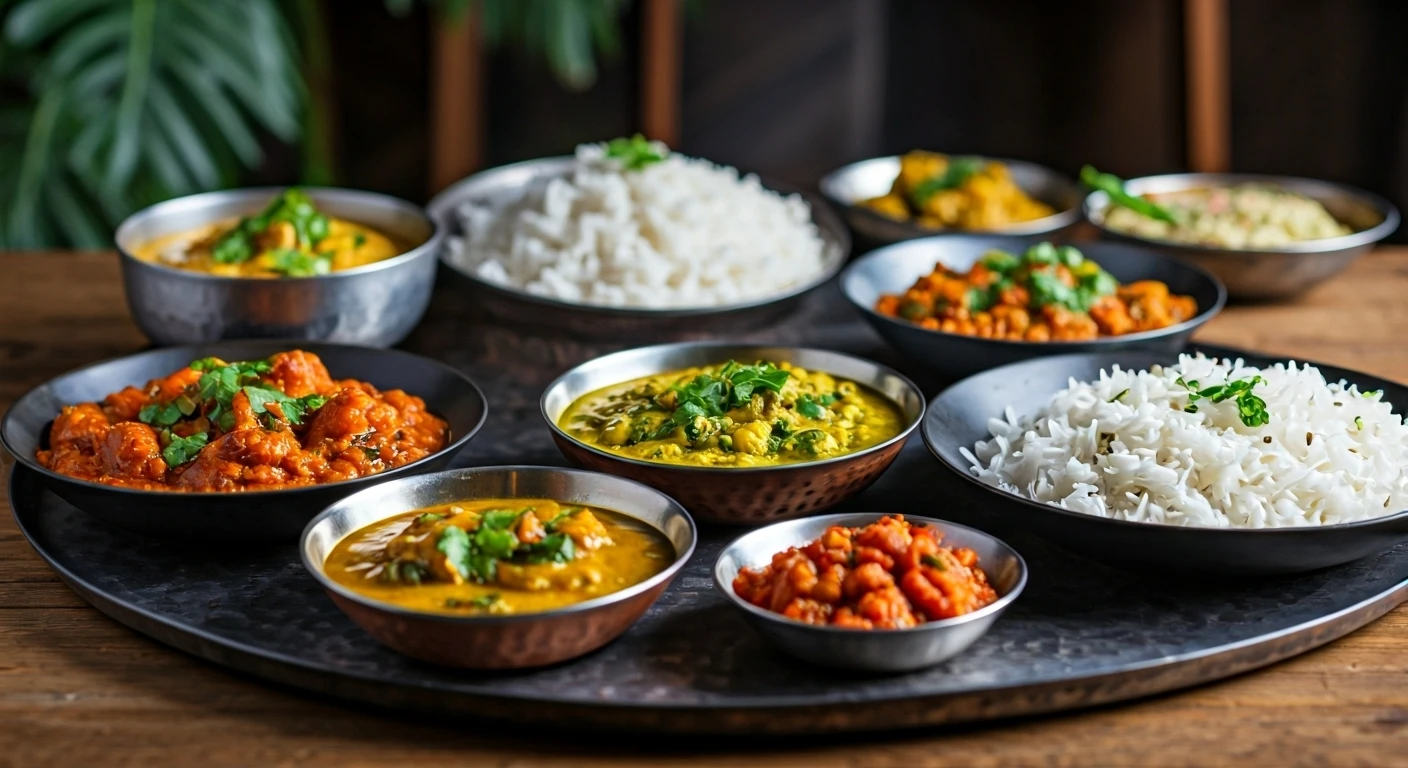
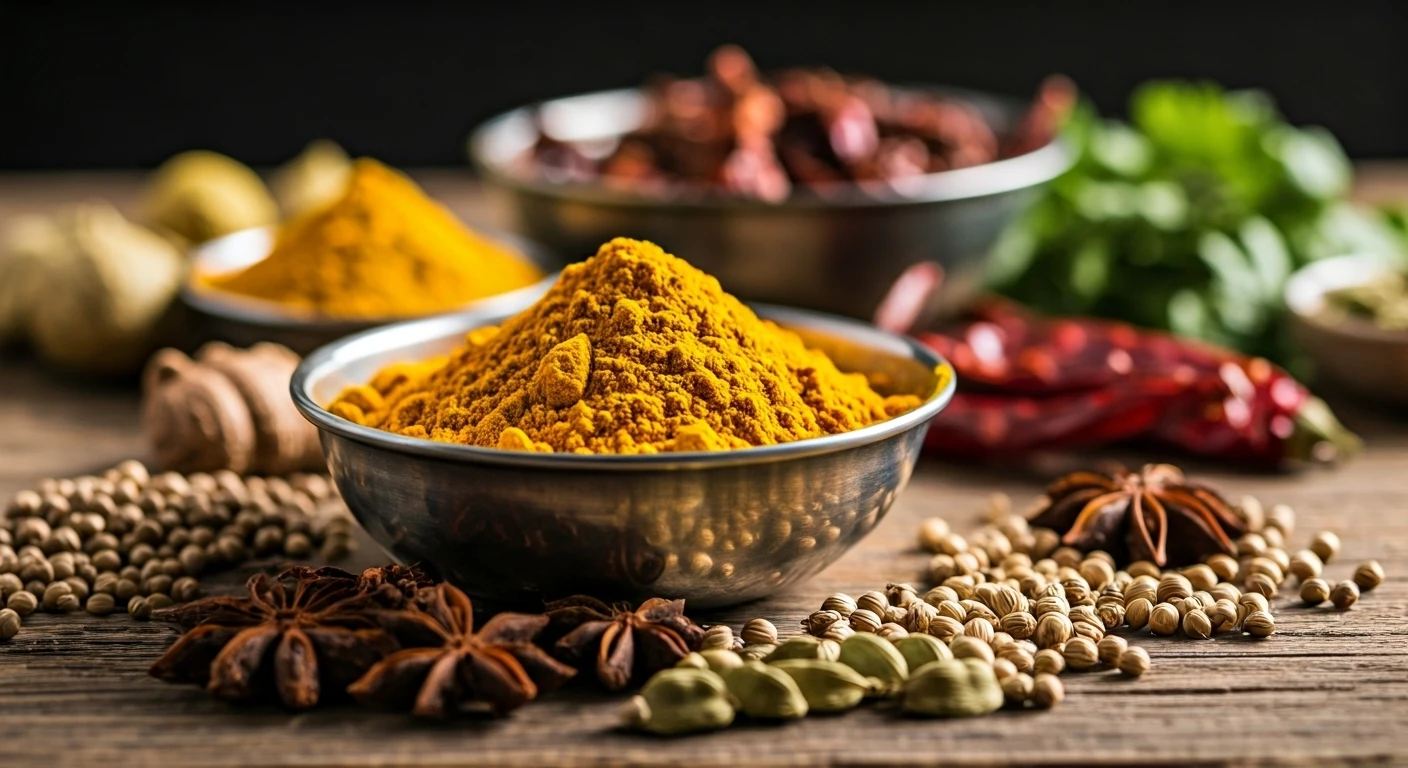
Incorporating matcha into the Indian diet offers unique opportunities and challenges. The Indian palate is accustomed to diverse flavors and traditional beverages like chai. Blending matcha with ingredients like almond milk and gud (jaggery) may enhance its taste and make it more appealing. This is especially true for individuals accustomed to sweeter tastes. However, it is important to be mindful of the added sugar and caloric intake when using sweeteners. Matcha's versatility allows it to blend with various spices and flavorings. This adaptability suits India's diverse culinary landscape. Moreover, the increasing awareness of health and wellness in urban areas drives interest in superfoods such as matcha. This makes matcha increasingly available in cafes and health food stores across the country.
Incorporating Matcha
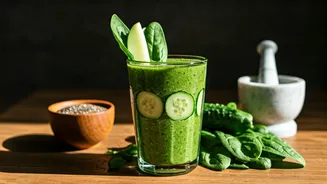
To successfully incorporate matcha into your daily routine, consider these tips. Start with a small amount to assess your tolerance to caffeine. Experiment with different preparations, such as matcha lattes or smoothies, to find your preferred method. When purchasing matcha, choose a high-quality ceremonial-grade powder for the best flavor and nutritional benefits. Be mindful of potential interactions if you are taking any medications. Always consult with a healthcare professional if you have concerns. Moreover, be open to experimentation with flavorings. Consider using spices like cardamom or cinnamon to complement matcha's earthy notes. Regularly consuming matcha, as part of a balanced diet, provides a flavorful and healthful addition to your lifestyle. This is especially true if you are someone like Ranbir Kapoor, who is making it a regular part of your diet.