








Beyond Mom's Health
For too long, the narrative surrounding pregnancy and a healthy baby has predominantly focused on the mother's health and lifestyle. However, new research
published in The Lancet is shifting this perspective dramatically, indicating that fathers' well-being is an equally significant factor. This comprehensive study from the University of Southampton suggests that a father's physical condition, weight, lifestyle choices like smoking or excessive alcohol intake, mental state, and even age can profoundly influence not only the conception process but also the subsequent health trajectory of their child. This groundbreaking work emphasizes that paternal health needs to be monitored with the same diligence as maternal health, overturning established beliefs and paving the way for a more holistic approach to reproductive well-being.
Sperm Quality & Impact
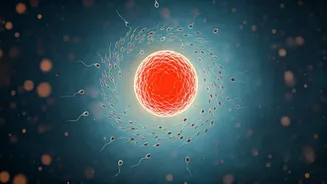
The quality of sperm is a fundamental element in ensuring a healthy pregnancy and a robust infant, a fact often overlooked in discussions about parental health. Expert Dr. Rishma Pai highlights this crucial aspect, emphasizing the significant role fathers play. The concerning global trend of a nearly 50% decline in sperm counts since 1973, with an accelerating rate in recent years, underscores the impact of modern lifestyles on male fertility. Researchers point to habits such as smoking, obesity, high alcohol consumption, and certain mental health conditions as key contributors to altered sperm quality. These changes can directly affect pregnancy outcomes and pose risks to a child's overall health, making a father's preconception health a vital consideration for expectant parents.
Pre-Conception Risks
A father's health status prior to conception carries substantial implications for the expecting mother and the developing fetus. Studies indicate a strong link between a father's pre-existing chronic conditions, particularly metabolic issues like obesity, hypertension, and elevated blood sugar, and an increased likelihood of the mother developing pre-eclampsia. This serious pregnancy complication, characterized by high blood pressure and swelling, can pose significant risks. Furthermore, a father's lifestyle choices directly impact the child's health. Regular exercise before conception is associated with a lower risk of birth defects, whereas paternal smoking and being overweight can elevate the chances of congenital abnormalities. Even paternal smoking in the months leading up to conception has been linked to a higher risk of cancer in the offspring.
Early Life Influences
The reproductive health of men is deeply intertwined with their experiences from early life, according to research co-author Dr. Danielle Schoenaker. Factors such as stress, physical and mental health during childhood, environmental influences, and educational background can shape a man's health during his reproductive years. These early life experiences can have a ripple effect, influencing his partner's health and her engagement with prenatal care, as well as exerting direct biological influences on the developing infant. Addressing the health needs of boys and young men is therefore crucial for fostering generational well-being. Additionally, systemic issues like racism and colonialism have historically created barriers for many men of color, impacting their access to healthcare and their ability to prioritize their own well-being, necessitating targeted policies and programs.
Shared Responsibility
Recognizing the vital role of paternal health does not diminish the critical importance of maternal health; rather, it fosters a shared responsibility for a healthy pregnancy and child. Researchers advocate for a collective effort to equip men with the knowledge and support to be engaged partners, allies, and caregivers throughout the journey of parenthood. This includes promoting preconception care that involves both prospective parents, educating them on the impact of lifestyle choices, and encouraging healthy habits such as regular exercise, balanced nutrition, and abstaining from smoking and excessive alcohol. Ultimately, investing in the well-being of boys and young men is an investment in healthier future generations, ensuring that both parents are well-prepared for the profound journey of raising a family.