







Trump's Oil Focus
The focus on acquiring oil from countries like Venezuela highlights a strategic shift in U.S. foreign policy, particularly concerning energy independence
and global influence. Trump's interest in Venezuela’s oil was driven by a desire to secure resources. This strategy was not without risks, as it could potentially escalate geopolitical tensions and complicate existing international relationships. The pursuit of such policies has wide-ranging consequences for global energy markets and the stability of the regions involved, with implications for economic alliances and diplomatic efforts. The shift in focus reflects a broader trend of countries prioritizing their own energy needs.
Venezuela's Oil Wealth
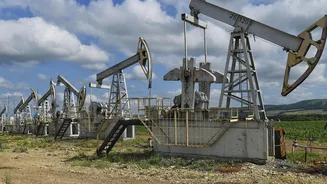
Venezuela possesses significant oil reserves, making it a key player in the global energy market. The country's vast oil reserves are a crucial component of its economy, and its potential production capacity draws the interest of nations seeking to diversify their energy supplies. The strategic value of Venezuelan oil extends beyond its immediate availability, encompassing geopolitical factors and the control over critical energy infrastructure. However, Venezuela's economic and political instability poses challenges for anyone aiming to tap into this oil wealth. The stability of the government, infrastructure, and international relations are vital factors in managing access to the oil. Despite the immense potential, external factors can hinder the development of this industry.
Geopolitical Ramifications
Trump’s interest in acquiring Venezuelan oil had significant implications for international relations. Such a strategy could strain relations with existing allies, particularly if the move was perceived as undermining their interests. Furthermore, it could complicate existing diplomatic efforts and create new areas of conflict. The pursuit of oil resources in countries with unstable political environments is complex. The actions could intensify regional tensions and raise concerns about human rights, governance, and the rule of law. The choices made by leaders about energy resources have a profound impact on the geopolitical landscape and influence decisions globally.
Risks and Considerations
There are many challenges associated with seeking oil from countries such as Venezuela. The first involves the potential for political and economic instability. Such endeavors can face legal and financial obstacles, including securing contracts, ensuring transparency, and managing investment risks. Moreover, such policies raise concerns about ethical considerations and human rights, since the governments of some oil-rich nations have questionable practices. The legal and practical challenges also extend to ensuring secure transportation, safeguarding infrastructure, and managing supply chains. The potential risks extend to a variety of factors, including economic, political, and social stability.