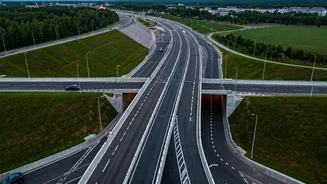

Project's Long Timeline
The journey to build the Hebbal-Airport underpass was extensive, stretching over nearly a decade. This duration was due to a series of factors, beginning
with the initial planning and acquiring the necessary permissions. Subsequently, the project faced challenges related to land acquisition, which involved complex negotiations and approvals. Furthermore, construction itself was a meticulous process, requiring phased work to minimize disruptions to ongoing traffic and maintain crucial local connectivity. The involvement of various governmental agencies, each with its own procedures, added another layer of complexity, consequently impacting the project’s overall timeline. Despite the extensive planning, unforeseen circumstances frequently arose, further lengthening the construction period, demonstrating the complexities inherent in large-scale infrastructure projects.
Underpass: Key Components
The Sadahalli underpass project includes essential components focused on improving traffic flow. It will include the construction of the main underpass structure, designed to carry vehicles safely beneath the existing roadways. Road widening and improvements are a vital part of the plan to accommodate increased traffic volumes and enhance overall capacity. The installation of advanced traffic management systems ensures optimal traffic flow and helps in managing incidents effectively. Moreover, the project incorporates comprehensive drainage systems to prevent waterlogging and maintain road usability during the monsoon season. Safety features, such as lighting and signage, are strategically placed to ensure the safety of drivers. These elements combine to create a comprehensive infrastructure solution that focuses on efficient and safe transport.
Maintaining Local Access
A core objective of the Hebbal-Airport underpass project is to maintain seamless local connectivity. During the various construction phases, strategies were put in place to ensure that existing roads and access points remain usable. This was accomplished by developing staged construction plans, which involved working on portions of the project while keeping other areas accessible. Temporary diversions and detours were carefully planned and executed to guide traffic around construction zones, minimizing congestion and disruptions. Communication with local residents and stakeholders was another critical aspect, keeping them informed of progress and any potential impacts. These measures were implemented to ensure residents could access businesses, residential areas, and other important locations without significant interruptions, therefore preserving daily routines.
Construction: Plan Details
The construction plan for the Hebbal-Airport underpass was structured in phases to efficiently manage the project. The initial phase focused on site preparation, which included clearing the area and preparing the land for construction. This was followed by the crucial phase of building the underpass structure itself. Simultaneously, road widening and resurfacing were carried out to increase capacity and improve safety, making the traffic flow smoothly. Throughout the construction, detailed traffic management plans were put into practice, guiding vehicles and pedestrians through the construction zones to reduce congestion. Regular inspections and quality checks were conducted to make sure construction met the highest standards, ensuring a long-lasting and robust infrastructure. Continuous coordination among various teams and agencies was maintained to ensure all aspects of the plan came together to ensure the success of the construction.
Signal-Free Airport Drive
The completion of the Sadahalli underpass is a crucial component in realizing a signal-free drive to the airport. By eliminating traffic signals, the underpass will significantly reduce travel time for commuters, making the journey to and from the airport faster and more reliable. This enhanced efficiency is set to improve overall connectivity, which is vital for both travelers and the local economy. Beyond just saving time, the signal-free corridor will decrease congestion, therefore helping to improve air quality and reduce fuel consumption. This initiative supports a more seamless and efficient transportation system, making the airport more accessible. This is a crucial step towards modernizing the city's infrastructure and improving the overall transportation experience for all commuters.