






A Faint Warning
A routine morning walk turned into a medical emergency for a 62-year-old man in Delhi, highlighting the hidden dangers of heatwave stress. Despite being
health-conscious and aware of his pre-existing conditions like hypertension and diabetes, this individual experienced sudden dizziness and profuse sweating, a critical sign his body's internal temperature regulation was faltering. The situation escalated rapidly as his sweating decreased, signaling a dangerous failure of his cooling mechanism. Subsequent nausea, an inability to eat or drink, and growing disorientation led to his collapse. Doctors emphasized that even a seemingly short period of moderate outdoor activity can overwhelm the body's thermal regulation during extreme heat, placing immense strain on the cardiovascular system and leading to organ dysfunction. This incident underscores the need for heightened awareness and immediate action when symptoms of heat stress appear.
Internal Strain Exposed
The 62-year-old's collapse was a stark manifestation of his body's struggle against extreme heat. Upon evaluation, his core temperature was elevated, his blood pressure had plummeted, and his pulse rate was dangerously high. Compounding the issue was a sharp spike in his blood sugar to 250 mg/dL, a stress response amplified by dehydration. Laboratory results further revealed a concerning rise in creatinine to 1.8 mg/dL, indicating acute kidney injury, and elevated sodium levels at 150 mmol/L, a clear sign of significant dehydration. An ECG confirmed an alarmingly high heart rate, a precursor that could potentially trigger a heart attack or stroke. Medical experts identified his condition as a complex interplay of heat exhaustion, severe dehydration, electrolyte imbalance, and the onset of organ damage. Treatment involved cooling measures, intravenous fluids, meticulous monitoring of urine output, and insulin administration to manage his blood sugar. This case exemplifies how even modest exposure to heat can induce a cascade of internal physiological stressors, particularly for individuals with pre-existing health issues.
The Heart's Hard Work
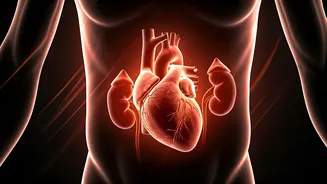
Extreme heat compels the heart to work overtime, as it increases heart rate and output to channel more blood to the skin for evaporative cooling. This intensified effort is exacerbated by dehydration, which reduces blood volume, and vasodilation, the widening of blood vessels, all of which contribute to increased cardiovascular strain. Dr. Rommel Tickoo notes that this can lead to serious exacerbations of cardiovascular conditions, including episodes of hypertension, heart failure, irregular heart rhythms (arrhythmias), and even acute myocardial infarction, commonly known as a heart attack. The body's natural cooling mechanism, sweating, becomes less effective in high temperatures, leading to a buildup of internal heat. This struggle to dissipate heat puts a significant and often unseen burden on the heart, making it a critical concern for individuals with existing cardiac issues or those who are more vulnerable to heat-related illnesses.
Silent Organ Damage
Beyond immediate collapse, the long-term ramifications of heat stress are substantial and frequently overlooked. Experts indicate that approximately 90% of heat-related health issues result in insidious, long-term damage to vital organs such as the heart, kidneys, and brain. The World Health Organization identifies heat stress as a leading cause of weather-related fatalities, capable of worsening pre-existing conditions like cardiovascular disease, diabetes, and mental health challenges. A study revealed that a staggering 57% of Indian districts, encompassing 76% of the population, are susceptible to extreme heat. The situation is particularly dire in regions like Delhi, Andhra Pradesh, Goa, Kerala, Maharashtra, Gujarat, Rajasthan, Karnataka, Tamil Nadu, and Uttar Pradesh. Elevated humidity levels, especially in urban areas, further intensify the perceived temperature, making even moderate heat more dangerous by hindering sweat evaporation. This chronic, underlying strain can lead to irreversible damage if not properly managed and mitigated through preventative measures.
Kidney and Diabetes Risks
Individuals with compromised kidney function face heightened risks during heatwaves. Intense heat leads to substantial fluid loss through perspiration, diminishing blood flow to the kidneys and concentrating uric acid. Repeated episodes of heat strain and dehydration can result in cumulative, potentially permanent kidney damage, progressing to kidney failure. Similarly, those with lung disease or diabetes are disproportionately affected. Heat exacerbates these conditions, with diabetes patients being particularly vulnerable. Diabetic nerve damage can impair the body's ability to sweat and cool down effectively. Furthermore, heat can increase the rate of insulin absorption, leading to unpredictable blood sugar fluctuations. Even brief exposure, as little as 15 to 30 minutes, can significantly stress the hearts of individuals with comorbidities, underscoring the pervasive impact of heat on multiple organ systems.
Vulnerable Groups Highlighted
Certain demographics face amplified risks from heat stress. Pregnant women, for instance, are more susceptible due to increased blood volume and a higher body surface area to mass ratio, which impedes heat dissipation. Prolonged heat exposure can silently affect them, reducing placental blood flow, increasing fetal heart rates, and potentially leading to lower birth weights or even birth defects if exposure occurs in the first trimester. Heatwaves also elevate risks of heatstroke, fainting, and high blood pressure in this group. Moreover, heat can interfere with certain medications. Diuretics, which increase urine production, can lead to dangerous fluid and potassium depletion when combined with excessive sweating, creating a compounded risk of dehydration and electrolyte imbalance. This underscores the need for personalized precautions for these particularly vulnerable populations.
Tracking the True Burden
Accurately quantifying the impact of heatwaves is a significant challenge, as the true burden is often underestimated. During the 2010 Ahmedabad heatwave, an excess of over 800 deaths occurred, yet very few were officially classified as heat-related, typically being attributed to routine causes like cardiac or renal failure. A more accurate approach involves monitoring all-cause mortality; a sharp increase in daily deaths during a heatwave, even without a declared epidemic, signals the event's severity. The same principle applies to morbidity. Emergency room visits, hospital admissions, and ambulance calls surge during heat events, and government clinic registrations rise. These are crucial, measurable indicators that many cities do not systematically collect or analyze. Integrating this data with institutions like IITs and local universities for rigorous analysis is essential for understanding the full scope of the crisis and informing effective public health responses.
Governance and Action Plans
Effective heat management requires structured governance and coordinated action. Cities should designate leadership for heat response, similar to how public health programs are managed. While national efforts are underway to create pooled data systems, their impact remains limited without mandatory reporting and integration. A unified national dashboard, encompassing mortality, hospital data, ambulance calls, and clinic visits, would provide a clearer picture of the crisis and enable a cohesive heat protocol. Following the 2010 Ahmedabad heatwave, a Heat Action Plan was implemented, which has since been replicated in over 400 cities. However, these plans often lack legal mandates and dedicated budgets, hindering their full effectiveness. The Ahmedabad model, which pioneered "cool roofs" in low-income areas, significantly reduced indoor temperatures and demonstrated a substantial impact, with mortality falling by approximately 40% after its implementation.
Beyond Illness Impacts
The repercussions of extreme heat extend far beyond immediate physical ailments, impacting societal well-being and economic stability. Worker productivity experiences a noticeable decline during heatwaves, leading to increased economic strain. The heightened risk of accidents, both in occupational settings and daily life, is another serious consequence. Furthermore, heat stress can significantly deteriorate mental health, often manifesting as increased irritability, aggression, and even incidents of road rage. The interconnectedness of heat, health, and societal functioning necessitates a comprehensive approach that addresses not only medical emergencies but also the broader socio-economic and psychological effects of prolonged periods of extreme temperatures.