




A Taste of Heritage
Rashmika Mandanna, a proud daughter of Coorg, often speaks with great affection about the distinctive culinary landscape of her homeland. This verdant
region, nestled in Karnataka, boasts a food culture deeply rooted in the traditions of the Kodava community. At its core, Coorgi cuisine is celebrated for its generous use of pork and its integral role in daily life. Mandanna highlights a fascinating tradition where homemade wine is a staple, with many households partaking in two glasses before bedtime, believed to aid sleep and promote heart health. This practice underscores the deeply ingrained connection between food, well-being, and tradition in Coorgi culture.
Essence of Kodava Food
Chef Harsh Shodhan emphasizes that Coorgi cuisine is a prime example of how simplicity can yield profound culinary identity. The foundation of this cuisine relies on readily available ingredients such as rice, coconut, curry leaves, and fragrant spices like pepper and cardamom. However, it's the exquisite balance of these flavors that truly sets it apart. The food's character is also shaped by its geographical and historical context. Originating from the Kodava community, whose history includes a strong warrior tradition and a plantation-driven landscape, the meals are inherently substantial, practical, and deeply satisfying. This authenticity, Chef Shodhan notes, is a defining characteristic that has endured over time.
Distinctive Flavors Unveiled
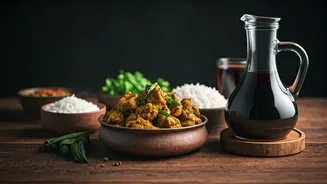
A signature element that imparts a unique character to Coorgi dishes is the use of 'kachampuli', a local vinegar. This ingredient lends a characteristic earthy note and a sharp tang, creating a flavor profile that is immediately recognizable. The cooking process itself is also noteworthy; it's often slow and deliberate, allowing flavors to meld and develop naturally, rather than relying on complex culinary techniques. This unhurried approach ensures that the inherent qualities of the ingredients shine through. Veena V, a clinical dietician, corroborates that these cooking practices stem from the historical lifestyle of the Kodava people, who were historically agricultural soldiers. Their meals were designed to be protein-rich, providing the sustained energy needed for their active lives.
Nutritional Powerhouses
Coorgi cuisine is inherently nutritious, with a strong emphasis on protein content, primarily derived from meat dishes featuring pork and chicken. The blend of spices not only enhances flavor but also offers antioxidant and anti-inflammatory benefits, while fermented elements like kachampuli contribute to digestive health. While some traditional recipes might involve fatty cuts of meat and preserved ingredients, leading to higher saturated fat and sodium content, the overall nutritional value can be optimized. Veena V suggests that by consuming appropriate portions of rice and vegetables alongside controlled fat intake, Coorgi meals can be both nutritious and incredibly fulfilling, providing a balanced and hearty eating experience.