






Voter Rolls Altered Significantly
Ahead of the two-phase West Bengal Assembly elections, data from the Election Commission (EC) has illuminated a striking trend: in a notable percentage
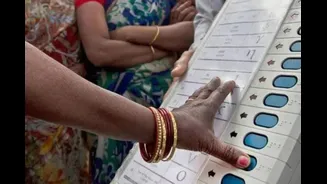
of constituencies, the number of electors removed during the Supreme Court-supervised adjudication process for the electoral rolls has surpassed the winning margins from the 2021 elections. This situation affects 44 out of 293 analyzed constituencies. For the Dinhata constituency, which had a unique electoral outcome involving postal ballots, it was excluded from this specific analysis to maintain a focus on EVM voters. The impact of these deletions is nearly evenly split between the state's ruling party, the Trinamool Congress (TMC), and the Bharatiya Janata Party (BJP), with the TMC having secured victory in 24 of these seats and the BJP in the remaining 20 during the last electoral contest.
District-Wise Impact Revealed
The phenomenon of voter deletions exceeding previous winning margins is not evenly distributed across West Bengal but is concentrated in specific districts. Purba Bardhaman, Paschim Bardhaman, and Nadia districts each have five constituencies where this scenario is playing out. North 24 Parganas and Paschim Medinipur districts follow closely, with four such seats each. Further down the list are Cooch Behar, Dakshin Dinajpur, and Murshidabad, each experiencing this in three constituencies. Purba Medinipur and Howrah districts have two constituencies each affected by this significant shift in the electorate. This concentration suggests that campaigning and electoral strategies in these particular areas will require careful consideration of the revised voter lists and the reduced elector base.
Notable Constituency Cases
Examining specific constituencies provides a clearer picture of the scale of voter deletions. In Samserganj, Murshidabad district, a staggering 74,775 voters were removed from the rolls, a number vastly exceeding the TMC's winning margin of 26,111 votes in 2021. Conversely, in Purulia's Balarampur, a constituency won by the BJP with a slim margin of just 273 votes, 1,037 voters have been deleted. The Matua-dominated seat of Gaighata in North 24 Parganas, where BJP's Subrata Thakur had a victory margin of 9,603, now sees 19,638 voters deleted. Similarly, Bagdah, also won by the BJP in 2021 by 9,907 votes, has experienced the deletion of 10,017 voters. These examples underscore the potential for significant shifts in electoral outcomes due to the revised voter lists.
TMC's Strategic Focus
Internal discussions within the Trinamool Congress reveal a determined ambition to secure victory in 250 seats, with a pronounced emphasis on constituencies that had narrow winning margins in the past. Recognizing the potential impact of revised electoral rolls, the party has proactively established dedicated election war rooms in these critical areas. These operational hubs have been actively engaged since November, suggesting a long-term strategy to mobilize voters and counter any potential electoral challenges arising from the altered voter lists. This proactive approach indicates a keen awareness of the competitive electoral landscape and the importance of micro-level campaigning in retaining their hold on power.
The Special Intensive Revision (SIR)
The Election Commission's Special Intensive Revision (SIR) of electoral rolls introduced a new set of rigorous requirements for electors to remain registered. This process involved the appointment of 700 judicial officers, acting under the Supreme Court's directive, to meticulously assess the eligibility of approximately 60.06 lakh electors. Following this extensive adjudication, a total of 27.16 lakh electors were deemed "not eligible" and will therefore be unable to participate in the upcoming polls scheduled for April 23 and April 29. The SIR, which began in June of the previous year across multiple states, saw unique monitoring in West Bengal with the deployment of micro-observers to supervise the Electoral Registration Officers. The court's specific order for judicial officers to decide on elector eligibility was also confined to West Bengal alone, highlighting the particular scrutiny this process received in the state. This comprehensive overhaul of the voter list aimed to ensure accuracy and compliance with updated regulations, though it has also led to considerable controversy and legal challenges.
Nandigram's Close Contest
The district of Purba Medinipur is no stranger to fiercely contested electoral battles, and the constituency of Nandigram exemplifies this. This seat, which saw a high-profile contest between Chief Minister Mamata Banerjee and her former associate Suvendu Adhikari, was won by Adhikari by a slim margin of 1,736 votes, excluding postal ballots. The SIR process here led to the deletion of 3,461 voters from the rolls. The exclusion of postal ballots from the SIR's adjudication process means that the impact of these deletions might be felt more acutely in the EVM-counted votes, potentially altering the dynamics of future close contests in such constituencies. The stringent revision process underscores the EC's efforts to refine the electoral rolls, even in politically charged environments.
SIR Process and Revisions
The Special Intensive Revision (SIR) in West Bengal differed significantly from the typical annual Special Summary Revision. It necessitated a complete redrafting of the electoral rolls, requiring all registered voters to resubmit enumeration forms to maintain their status. Furthermore, specific categories of electors were mandated to provide documentary proof of their eligibility, including citizenship. This comprehensive revision, initiated in October 2025, resulted in a substantial reduction of 11.63% of the total electorate, decreasing the number of eligible voters from 7.66 crore to 6.77 crore post-SIR and adjudication. This intensive process, while aimed at cleansing the voter rolls, has also become a subject of legal contention, with petitions challenging the EC's decisions and the freezing of electoral rolls ahead of the polls being heard in the Supreme Court.