
Understanding Western Disturbances
Western Disturbances are essentially extratropical storms that originate in the Mediterranean region. They travel eastward, bringing moisture-laden winds
that can result in significant precipitation when they interact with the Himalayas. These disturbances are crucial for the Indian subcontinent's weather, particularly during winter and spring. The frequency and intensity of these disturbances determine the amount of snowfall and rainfall, influencing water resources, agriculture, and overall climate. Their arrival signifies a shift in weather patterns, ending periods of dryness and contributing to the Himalayan snowpack, which is vital for the region's ecosystem. Monitoring these disturbances is key for predicting weather conditions across several northern Indian states.
Impact on Kashmir Valley
The Kashmir Valley is anticipated to experience a significant change with the arrival of the double Western Disturbance. The forecast suggests widespread snowfall, which is highly welcomed after a prolonged dry period. This snowfall is expected to refresh the region's landscape and boost the tourism sector, as fresh snow often attracts winter sports enthusiasts. The precipitation will also benefit agriculture by replenishing water sources crucial for irrigation. Farmers and local communities will likely celebrate this shift, as it offers a respite from the arid conditions that prevailed. The intensity and duration of the snowfall will determine its long-term impact on the water levels of rivers and lakes, affecting the region's water management strategies.
Himachal Pradesh's Weather Outlook
Himachal Pradesh is also expected to be significantly affected by the impending Western Disturbance, with forecasts predicting heavy snowfall across various districts. Regions that depend on tourism, like Manali and Shimla, are likely to experience a boost in visitor numbers as the fresh snowfall transforms the scenery. The snow cover will also provide a much-needed increase in water levels in the local rivers, which are essential for hydropower generation and agricultural activities. The state government is likely to issue advisories to tourists and residents about the potential for road closures and travel disruptions. Authorities will closely monitor the situation to ensure safety and facilitate the movement of essential services, mitigating any adverse effects of the winter weather.
Uttarakhand's Snowfall Forecast
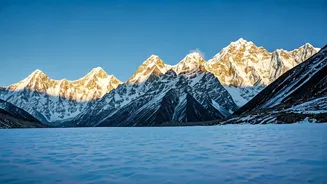
Uttarakhand, another state in the Himalayas, is preparing for substantial snowfall as the double Western Disturbance approaches. The northern regions, including areas near popular pilgrimage sites such as Kedarnath and Badrinath, are likely to witness heavy snowfall. This will bring much-needed relief from the dry weather and recharge water bodies. Tourism, particularly pilgrimage, could be impacted due to the weather, with potential disruptions to travel and logistics. Local authorities are likely to issue alerts and advisories to ensure that pilgrims and visitors are well-informed about the conditions. The snowfall will also contribute to the Himalayan glaciers, which are critical water resources for the state and the downstream regions, influencing river flows during the warmer months.
Implications and Preparations
The snowfall from this double Western Disturbance will positively impact the water availability and agricultural productivity in the affected areas. It’s also expected to recharge groundwater levels, supporting both ecological balance and human needs. Local governments and communities are expected to prepare for potential challenges, such as road closures, power outages, and increased risk of avalanches. Travelers and residents in the mountainous regions are advised to stay updated with weather alerts, follow safety guidelines, and carry necessary supplies. Emergency services will likely be on alert to provide assistance and response during the snowfall period, minimizing risks and ensuring safety in these vulnerable regions.