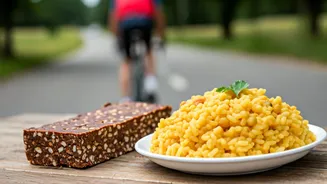

Dal-Rice: The Foundation
Surya Thathu, a cyclist from Pune, relies heavily on dal-rice as a cornerstone of his diet. This traditional Indian staple provides a balanced combination
of carbohydrates, protein, and essential nutrients, which is crucial for sustained energy levels during long rides. The carbohydrates in rice offer the primary fuel source, while dal contributes protein, important for muscle repair and overall performance. This combination also provides a steady release of energy, preventing sudden energy crashes, a critical aspect during long cycling distances. The practicality of dal-rice is also a factor. It is easily accessible and can be prepared at home. It is simple to digest, making it suitable before or after cycling activities. Thathu's selection of dal-rice showcases a practical approach to fueling endurance activities, highlighting the benefits of traditional Indian foods in athletic performance.
Homemade Energy Bars
Alongside dal-rice, Surya Thathu emphasizes the use of homemade energy bars to supplement his energy intake during rides. These bars, crafted with carefully selected ingredients, provide a convenient and customized source of fuel. Homemade energy bars enable Thathu to control the ingredients and quantities, which often include ingredients like dates, nuts, and seeds. These components deliver carbohydrates for immediate energy, along with fats and proteins to support prolonged endurance. Homemade bars eliminate the unnecessary additives and preservatives often found in commercial products, aligning with a commitment to natural and healthy options. Thathu’s choice to opt for homemade energy bars highlights an emphasis on self-sufficiency and ensuring optimal nutrition intake during cycling. This also enables him to personalize his fueling strategy according to the specifics of his rides, such as the duration or intensity.
Fueling the Ride
The combination of dal-rice and homemade energy bars forms the core of Surya Thathu’s fueling strategy. Before rides, he typically consumes a meal of dal-rice to stock up on carbohydrates and protein, creating a reservoir of energy for his body. During long rides, he uses homemade energy bars to keep a consistent flow of energy. The bars are specifically designed to be easy to consume while cycling and provide a quick energy boost. This blend of dal-rice and energy bars offers a comprehensive approach to fueling. It not only provides the necessary energy but also supports muscle repair, which helps to minimize the chance of fatigue. This shows a thoughtful approach to nutrition planning and emphasizes the importance of holistic strategies for optimal performance. The success of Thathu's method emphasizes the role of simple and natural foods in achieving remarkable cycling feats.
Nutritional Benefits Detailed
The nutritional profiles of dal-rice and homemade energy bars play a pivotal role in Thathu's performance. Rice delivers complex carbohydrates, which are gradually broken down into glucose, providing the muscles with a stable energy source. Dal, rich in protein, is essential for repairing and rebuilding muscle tissues after strenuous activity. His homemade energy bars are packed with easy-to-digest carbohydrates like dried fruits (dates) for immediate energy. Nuts and seeds contribute healthy fats and proteins, ensuring satiety and sustained energy. Furthermore, these bars often include ingredients offering vitamins and minerals, promoting overall health and preventing deficiencies. This integrated approach to nutrition helps to optimize energy levels, support muscle recovery, and enhance overall endurance. It underscores the importance of a balanced diet that prioritizes nutrient-dense foods to enhance athletic performance.
Practical Application
Thathu’s fueling strategy is deeply practical. Dal-rice, an affordable and readily available meal, is easy to prepare and consume, making it a sustainable option for everyday use. Homemade energy bars are highly adaptable. He can change the ingredients to suit his tastes and requirements. He can vary the ratio of carbohydrates, fats, and proteins based on the duration and intensity of the cycling session. This degree of customization is a major benefit over commercially available products that might not meet individual requirements. Thathu's method also emphasizes the importance of planning and preparation. Preparing his meals and snacks in advance allows him to maintain a consistent diet. This practical, customizable approach emphasizes how easy it can be to improve athletic performance.