





AI Blunder Surfaces
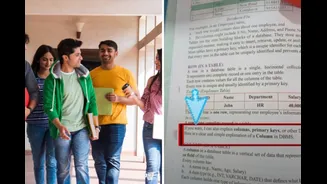
A recent online discussion erupted following the circulation of a photograph from a college textbook. The image revealed a section on database concepts
that included text eerily similar to that produced by AI chatbots like ChatGPT. This peculiar inclusion, which appeared to be an unedited response, immediately caught the attention of social media users. The particular passage in question was explaining the fundamental concepts of 'rows' and 'columns' in Database Management Systems (DBMS). Within the explanation, a highlighted sentence was visible, appearing to offer further assistance: 'If you want, I can also explain columns, primary keys, or other DBMS te…' This was immediately followed by a more conventional textbook statement: 'Here is a clear and simple explanation of a Column in DBMS:'. The uncanny resemblance to AI phrasing and the unfinished offer to elaborate pointed towards a significant oversight in the textbook's production process.
Student Outrage and Cost Concerns
The discovery of AI-generated content in a printed academic resource has ignited a firestorm of criticism, particularly given the textbook's substantial price tag. Users on platforms like X (formerly Twitter) expressed their astonishment at the oversight, with one post highlighting the irony: 'Imagine paying $300 (which is about Rs 28,000) for a college textbook and there’s a ChatGPT prompt response in there.' This sentiment was echoed by many, who questioned the value proposition of such expensive educational materials when they contain obvious errors. The sheer cost, reported to be around Rs 28,000, amplified the frustration, leading to a broader debate about the quality and integrity of educational publishing in the age of artificial intelligence. The incident has led many to question the reliability of the education system and the financial burden placed on students.
Critique on Editing Standards
The prevalent reaction to the textbook's AI inclusion wasn't solely about the use of generative AI itself, but rather the perceived lack of rigorous editing and quality control by the publishers. Many commenters pointed out that the critical flaw was not the AI's involvement, but the failure to properly integrate and refine its output. One user articulated this sentiment by asking, 'It’s sloppy editing for sure. Is your beef, though, with the editing or with the use of generative AI?' This highlights a key concern: while AI tools might be used in content creation, the final product must undergo thorough human review. The visible, unedited prompt from the AI, offering to explain further topics, underscored this point dramatically. This oversight has fueled a broader conversation about accountability and the standards expected from academic publishers, especially when students are investing significant amounts of money in their learning materials.