




Vastu's Fire Element
A cornerstone of Indian architectural tradition, Vastu Shastra, strongly influences home design, including the placement of the kitchen. According to Vastu principles,
the south-east direction is considered the abode of the fire element. As the kitchen is the central hub for cooking and preparing food, it is fundamentally associated with fire. Therefore, situating the kitchen in this 'fire zone' is believed to foster a harmonious balance of energies within the household, promoting positivity and well-being. This directive is not merely a suggestion for many families but a deeply ingrained preference that guides their decisions when constructing or acquiring a new home, reflecting a cultural adherence to these ancient guidelines.
Sunlight's Practical Advantage
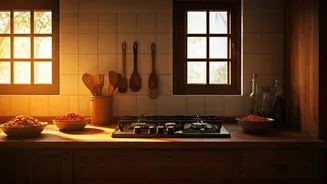
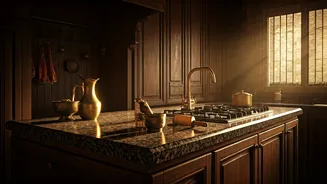
Beyond the spiritual significance, the south-east orientation offers tangible benefits tied to the daily movement of the sun in most parts of India. The sun rises in the east and progresses towards the south throughout the day. A kitchen positioned in the south-east corner benefits from ample morning sunlight. This natural illumination is invaluable, helping to keep the kitchen bright, reducing issues of dampness, and contributing to a more hygienic environment, particularly in older homes where ventilation systems were less advanced. The morning light also creates a more pleasant and comfortable working atmosphere for daily chores. Critically, by the time the intense heat of the afternoon arrives, the sun has shifted, preventing the kitchen from becoming excessively hot and uncomfortable, unlike a west-facing space.
Habit and Usability
The ingrained nature of this placement is also shaped by long-standing domestic routines and the perceived usability of the space. In numerous Indian households, the day's cooking activities typically commence early in the morning. The presence of natural sunlight during these initial hours imbues the kitchen with a sense of vibrancy and readiness, making it feel more inviting and functional from the outset. This subtle yet significant aspect of morning illumination contributes to the overall ambiance and utility of the kitchen over time. While modern living, with its architectural constraints and urban layouts, sometimes makes strict adherence impossible, the underlying logic of practicality and habit continues to influence preferences.
Modern Adaptations
In contemporary urban environments, the ideal of a south-east facing kitchen isn't always achievable. Space limitations, the practicalities of building design, and the essential placement of plumbing infrastructure often dictate the kitchen's location in modern apartments and houses. While many individuals still prioritize the south-east direction if circumstances permit, it's increasingly common for this to be a secondary consideration due to these logistical challenges. Nevertheless, the enduring appeal of the south-east kitchen signifies a successful fusion of ancient beliefs with pragmatic considerations regarding natural light, hygiene, and established household customs, passed down through generations.