





Jawai, Rajasthan's Haven
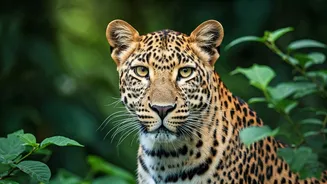
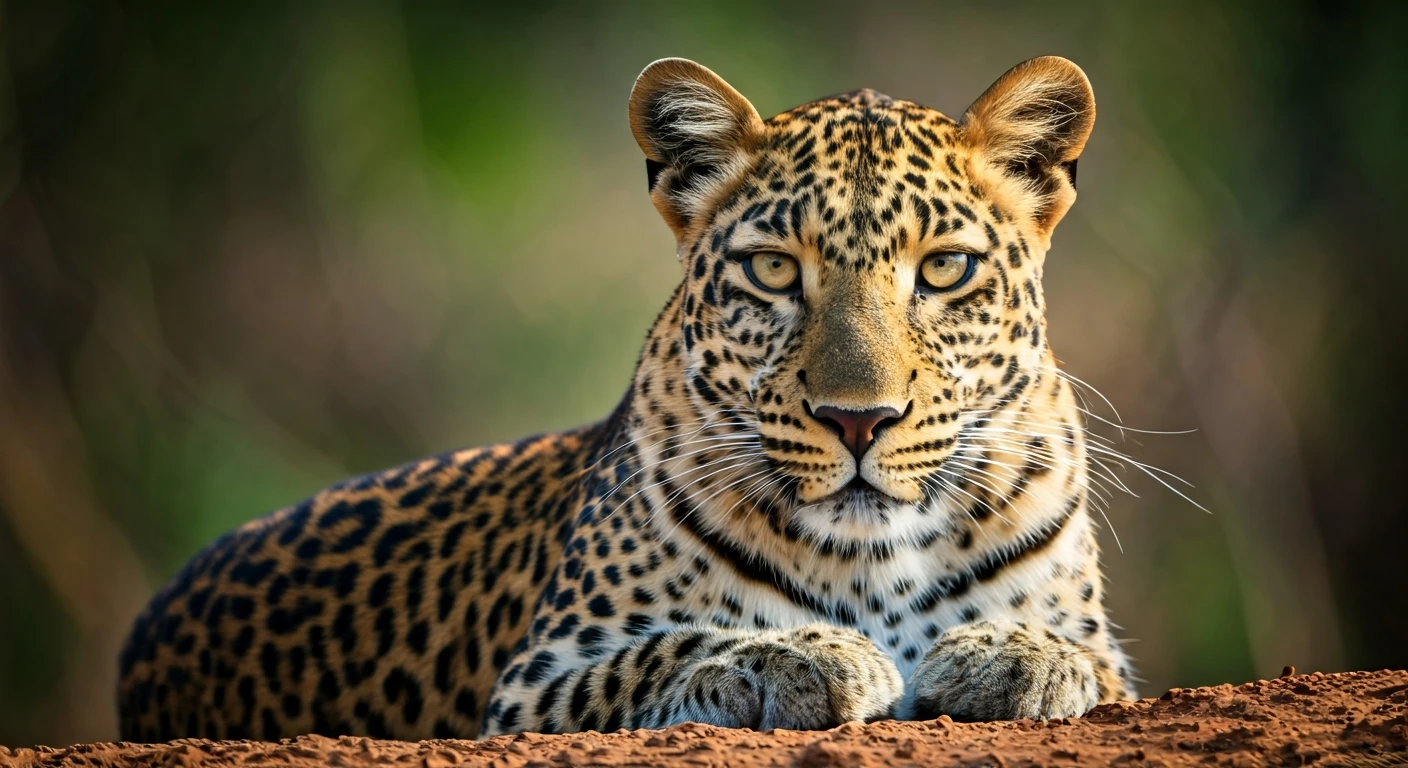
Jawai, situated in Rajasthan, stands out as an exceptional location for leopard encounters, often earning it the moniker 'Leopard King'. This region is unique
because it doesn't adhere to traditional national park structures; instead, leopards thrive amidst rocky outcrops and human settlements. The local Rabari community has coexisted peacefully with these big cats for generations, creating an environment where sightings are remarkably frequent. The landscape, characterized by granite hills and volcanic formations, provides ample hiding places and hunting grounds. Numerous leopards roam freely, often seen basking on rocks or gracefully moving through the scrubland. The lack of dense forest cover compared to other reserves often makes them more visible, especially during dawn and dusk when they are most active. This unusual harmony between humans and wildlife makes Jawai a compelling destination for those seeking an authentic and high-probability leopard spotting experience, offering a unique glimpse into their adaptable nature.
Tadoba's Tiger Realm
While Tadoba Andhari Tiger Reserve in Maharashtra is primarily celebrated for its tiger population, it also harbors a healthy and observable leopard population. This reserve boasts a diverse ecosystem, encompassing dense forests, grasslands, and water bodies, which supports a rich prey base for both tigers and leopards. The open meadows and scattered trees within the park often provide excellent vantage points for spotting these felines. Leopards here are adept at hunting smaller prey like deer, wild pigs, and langurs, and their presence adds another layer of thrill to wildlife safaris. The efficient management of the park and the well-maintained safari tracks contribute to a higher likelihood of sightings. Visitors can often spot leopards during safaris, especially in the early morning or late evening hours when they are most active and venturing out to hunt or drink water. Tadoba offers a multifaceted wildlife experience where the elusive leopard is a frequent and captivating sight.
Nagarhole's Predatory Prowess
Nagarhole National Park, nestled in the Western Ghats of Karnataka, is a prime destination for wildlife enthusiasts, offering a significant chance to witness leopards in their natural habitat. This lush park is part of the Nilgiri Biosphere Reserve and is characterized by dense deciduous forests, open meadows, and the Kabini River, which attracts a variety of prey species. Leopards here are skilled hunters, preying on spotted deer, sambar, and langurs. The park's terrain, with its numerous water sources and dense undergrowth, provides ideal cover and hunting grounds. Safari drives, particularly along the Kabini backwaters, often yield sightings of leopards, sometimes even seen near waterholes or resting on tree branches. The park's commitment to conservation and its well-structured safari system enhance the overall experience, making it a reliable spot for leopard photography and observation. Nagarhole presents a stunning natural backdrop for encountering these magnificent predators.
Sariska's Arid Adaptability
Sariska Tiger Reserve in Rajasthan, despite its smaller size, is a surprisingly effective location for spotting leopards. This reserve is known for its dry deciduous forests, rocky landscapes, and grasslands, which provide a challenging yet suitable environment for these adaptable cats. Sariska has a healthy population of leopards, and their numbers have been growing, increasing the chances of sightings. The terrain, with its hills and valleys, offers good hiding spots for leopards to ambush their prey, which includes various species of deer and wild boar. Safaris in Sariska often take visitors through varied habitats, and leopards are frequently observed basking in the sun on rocky outcrops or moving stealthily through the scrub. The reserve's proximity to Delhi also makes it an accessible destination for a quick wildlife getaway. Sariska's unique arid environment showcases the leopard's resilience and ability to thrive in diverse conditions.
Jim Corbett's Foothills
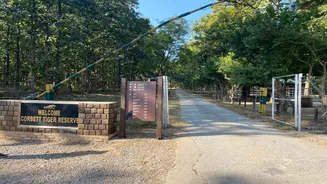
Jim Corbett National Park in Uttarakhand, India's oldest national park, is renowned for its tiger population but also boasts a healthy presence of leopards. The park's diverse topography, ranging from dense forests and grasslands to hilly terrain and riverine belts, creates a rich habitat that supports a variety of wildlife, including leopards. These big cats are adept at navigating the varied landscapes, using the dense foliage for cover and the open areas for hunting. While tigers might be the primary draw, leopard sightings are not uncommon, particularly in the buffer zones and areas with good prey density. Early morning and late evening safaris offer the best chances to spot them. The park's extensive network of trails and its experienced guides increase the likelihood of encountering these elusive predators. Corbett offers a classic Indian wildlife experience where the thrill of spotting a leopard is an exciting possibility alongside the pursuit of its larger feline cousin.