






The Protein Bowl Phenomenon
TV host and digital creator Roshni Chopra has unveiled a remarkably quick and satisfying recipe for a 'protein bowl,' which she suggests tastes like a delightful
dessert while also serving the crucial purpose of nourishing muscles and promoting prolonged satiety. Chopra shared her personal observation, noting a significant reduction in cravings when she manages to consume approximately 40 grams of protein before the 2 PM mark, and she extended this query to her followers, curious if others had experienced similar results. This simple yet potent approach to nutrition highlights how strategic meal composition can directly influence daily eating habits and overall well-being.
Crafting the Delicious Bowl
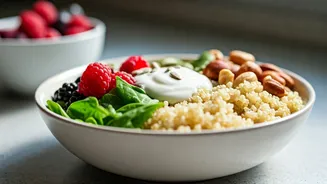
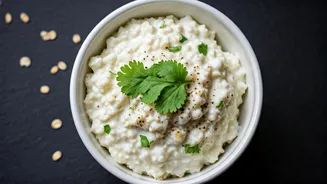
The 'strawberries and cream protein bowl,' as shared by Roshni Chopra, is a testament to simple culinary innovation. To prepare this energy-boosting meal, you'll need about one cup of Greek yogurt, ideally homemade from full-fat yogurt and hung to achieve a thick consistency. Blend this with a single scoop of vanilla whey protein for an amplified protein punch. Add five fresh strawberries, or any seasonal fruit you prefer, for a burst of natural sweetness and vitamins. Incorporate one tablespoon of soaked chia seeds, which adds fiber and omega-3 fatty acids. A gentle drizzle of honey, adjusted to your taste, provides just the right amount of sweetness, and a pinch of cinnamon powder not only enhances the flavor but may also offer metabolic benefits. This delightful concoction, which is approximately 420 kcal and provides a substantial 42-45 grams of protein, is best served mixed together and garnished with fresh fruit.
Expert Insights on Protein Timing
The effectiveness of front-loading protein earlier in the day for appetite control is a well-supported concept, according to Gulnaaz Shaikh, Chief Dietitian at KIMS Hospital Thane. Protein stands out as the most satiating macronutrient, playing a key role in slowing down the digestion process, stabilizing blood sugar levels, and influencing hormones that regulate hunger and fullness. By ensuring breakfasts and lunches are rich in protein, individuals often report fewer urges for late-afternoon snacks and experience better control over their portion sizes later in the day. Aiming for 20–30 grams of protein per main meal is a practical guideline for many adults. Shaikh elaborates that achieving close to 40 grams by early afternoon can be particularly beneficial for those battling persistent cravings, emotional eating, or irregular eating patterns. This strategy also aids in preserving lean muscle mass, especially important for active individuals or those focused on fat loss without compromising muscle definition.
Nutritional Balance of the Bowl
From a nutritional standpoint, the strawberry protein bowl is a 'smart combination' offering significant benefits. Greek yogurt, or its hung curd equivalent, is a powerhouse of high-quality protein and beneficial probiotics essential for gut health. The addition of whey protein efficiently elevates the total protein content, crucial for muscle synthesis and repair. Strawberries contribute vital fiber and antioxidants, while chia seeds offer valuable omega-3 fatty acids and further enhance the fiber count. Shaikh also points out that cinnamon can play a role in managing blood sugar responses. With an estimated calorie count of around 420 kcal and over 40 grams of protein, this bowl serves as an excellent choice for a hearty breakfast or a rejuvenating post-workout meal, providing sustained fullness for approximately 3 to 4 hours.
Considerations for Consumption
While the protein bowl offers numerous advantages, mindful consumption is key to maximizing its benefits. It's important to be aware of potential added sugars from ingredients like honey, flavored whey protein powders, or sweetened yogurts, which can inadvertently increase your sugar intake. For individuals with specific dietary restrictions or health conditions such as lactose intolerance or kidney disease, personalizing protein intake under professional guidance is paramount. Shaikh emphasizes that while general recommendations exist, individual protein requirements can fluctuate significantly based on factors like body weight, age, activity levels, and existing health concerns. Therefore, what proves effective for one person might not be a universal solution, underscoring the need for personalized nutritional strategies.