
Budget's Core Principles
The Union Budget 2026 is structured around the core principles of judicious governance and economic resilience. These principles underscore the government's
approach to financial planning and resource allocation. The budget aims to promote sustainable economic development by balancing fiscal responsibility with social welfare. This requires careful management of public finances to ensure long-term stability and growth. The budget reflects a commitment to prudent financial management, focusing on efficient resource utilization and fiscal discipline. The government is also prioritizing infrastructure development, skill enhancement, and investments in key sectors like agriculture and healthcare. These measures are designed to enhance productivity, create jobs, and improve the quality of life for all citizens. Furthermore, the budget emphasizes the importance of inclusivity, ensuring that the benefits of economic growth reach every segment of the population. By adhering to these principles, the Union Budget 2026 seeks to establish a strong foundation for India's future prosperity.
Key Policy Initiatives
Several significant policy initiatives are central to the Union Budget 2026. These initiatives are aimed at stimulating economic activity, fostering innovation, and addressing critical societal needs. One primary focus is on boosting infrastructure development through increased investment in roads, railways, and ports. This investment is intended to improve connectivity, reduce logistics costs, and facilitate economic growth. Simultaneously, the budget includes measures to support the agricultural sector, such as enhanced irrigation facilities and agricultural research, designed to increase productivity and farmer incomes. The government is also prioritizing skill development and education, implementing programs that aim to equip the workforce with the skills needed for the future. Additionally, significant investments are planned for healthcare, aimed at improving access to quality medical services and strengthening public health infrastructure. These investments include expanding health insurance coverage, building new hospitals, and supporting medical research. Tax reforms and measures to simplify the regulatory environment are also part of the budget, aimed at attracting investment and promoting ease of doing business. The overall goal is to create an environment that encourages economic activity, job creation, and sustainable growth.
Fiscal Management Strategies
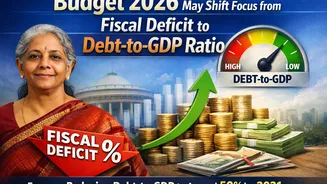
Fiscal management strategies form a critical component of the Union Budget 2026, aimed at ensuring financial stability and sustainability. The government has prioritized fiscal consolidation, aiming to reduce the fiscal deficit while maintaining economic growth. This is achieved through a combination of revenue enhancement measures and expenditure rationalization. One of the main strategies is to improve tax collection efficiency by implementing technology-driven solutions and widening the tax base. This will help increase government revenues without necessarily raising tax rates. At the same time, the budget includes measures to control government spending, focusing on efficient allocation of resources and reducing wasteful expenditures. The government is also committed to managing public debt responsibly, ensuring that debt levels remain sustainable in the long term. This involves prudent borrowing practices and strategies to reduce the cost of borrowing. In addition, the budget promotes transparency and accountability in public finances. This includes measures to strengthen financial reporting and improve the monitoring of government expenditures. These fiscal management strategies are designed to create a stable economic environment, attract investment, and support sustainable growth, ensuring that the country's finances are managed prudently and effectively.
Economic Impact Assessment
The Union Budget 2026 is expected to have a considerable impact on India's economy, influencing various sectors and stakeholders. The increased investment in infrastructure is likely to stimulate economic activity, creating jobs and boosting growth in construction, manufacturing, and related industries. The focus on agriculture is expected to increase agricultural output, improve farmer incomes, and ensure food security. Skill development and education initiatives are aimed at enhancing the workforce's skills, leading to increased productivity and competitiveness. The healthcare investments are expected to improve health outcomes, reduce healthcare costs, and promote overall well-being. Tax reforms and regulatory changes are anticipated to attract domestic and foreign investment, promoting economic growth. However, the budget's impact may also depend on external factors, such as global economic conditions and geopolitical events. The government's ability to implement the budget effectively and monitor its impact will be crucial. Furthermore, the budget's success will be determined by its ability to balance economic growth with social equity, ensuring that the benefits are shared across all segments of the population. Overall, the Union Budget 2026 is designed to lay the foundation for sustainable and inclusive economic growth, fostering a prosperous future for India.