






A Shocking Tragedy
In a somber event that cast a shadow over Mumbai, a family of four—Abdullah Dokadia, aged 40, his wife Naseem, 35, and their daughters Ayesha, 16, and Zainab,
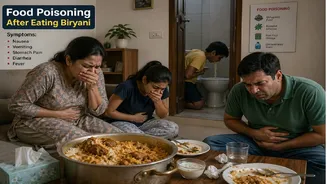
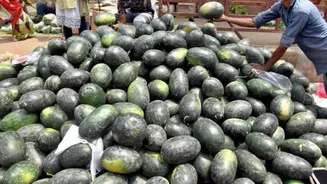
13—succumbed to a mysterious illness on a Sunday. Their relatives indicated that the family had consumed watermelon in the hours preceding their hospitalization. All four were admitted in a critical, semi-conscious state, exhibiting severe vomiting, and tragically passed away within a few hours of each other. This incident immediately ignited widespread concern and panic regarding the safety of watermelons, a quintessential summer fruit, particularly in India, where it is a beloved treat during the warmer months.
Official Perspective on Pesticides
Shridhar Dube-Patil, the Food Safety Commissioner for Maharashtra's Food and Drug Administration, has offered a measured perspective on the role of pesticide residue in such a catastrophic event. He clarified that while watermelons, like other agricultural products, are subject to numerous pesticide and insecticide applications—often around 14 to 15 different types—before harvest, it is highly improbable that typical residue levels would be fatal. Dube-Patil pointed out that many other fruits, such as grapes, also commonly carry pesticide residues, yet they do not lead to such dire outcomes. This statement aims to reassure the public by suggesting that the observed tragedy may stem from factors beyond standard pesticide contamination.
Investigation Underway
Authorities have launched a comprehensive investigation to ascertain the exact cause of the Dokadia family's deaths. Samples of the watermelon consumed by the family, along with other food items from their residence, have been meticulously collected and sent for laboratory analysis. These collected items include partially eaten watermelon pieces, leftover biryani and pulao from plates, raw rice, various spices like biryani masala, turmeric, chili powder, and salt, as well as dates, drinking water, and water mixed with cinnamon. The Food and Drug Administration (FDA) has requested expedited results from their laboratory in Bandra. Simultaneously, police inquiries have been made to trace the fruit vendor, but unfortunately, no leads have emerged, and relatives could not provide details about the purchase. This highlights a challenge in establishing the fruit's origin.
Broader Food Safety Checks
While the FDA's laboratory analysis is a critical component in assessing food safety, officials emphasize that it is one part of a larger investigative framework. The forensic and postmortem reports are considered equally crucial for a definitive understanding of the cause of death. The FDA's mandate is specifically to verify if the food samples comply with FSSAI standards and are fit for consumption, looking for contamination, adulteration, or toxic substances. Regarding broader inspections, the Food Safety Commissioner mentioned that the department is currently focused on a campaign against the use of calcium carbide for ripening mangoes. While watermelons are harvested when ripe and not artificially ripened, the department has indicated it will initiate city-wide checks if any doubts or specific concerns arise following this incident.