







Electrical Safety First
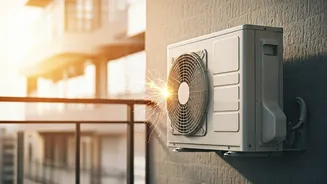
Electrical faults are a primary instigator of domestic fires across India, particularly amplified during intense heatwaves when appliances like ACs and
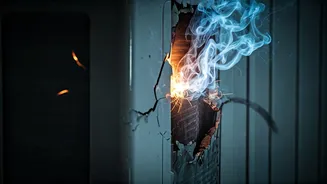
coolers are in constant use. To mitigate this escalating risk, it's strongly recommended to have your home's electrical wiring inspected by a certified electrician at intervals of approximately 6 to 7 years. Incorporating Miniature Circuit Breakers (MCBs) is a proactive measure, as these devices are engineered to automatically cut off power supply during electrical overloads, thus preventing overheating and potential ignition. Furthermore, a common and dangerous practice involves overloading electrical sockets by connecting multiple high-power devices such as microwaves, geysers, and air conditioners simultaneously. The Delhi Fire Service cautions that consolidating numerous appliances into a single socket significantly heightens the probability of overheating, sparking, and ultimately, fire.
LPG Cylinder Vigilance
Cooking gas cylinders are frequently implicated in residential fires and explosions, necessitating stringent safety protocols. It is imperative to store LPG cylinders in an upright position within a cool, well-ventilated environment, strictly avoiding enclosed spaces or direct exposure to sunlight. A crucial safety distance of at least 5 feet should be maintained between the stove and the cylinder, and the stove itself should ideally be positioned at a higher level than the cylinder. To detect any potential leaks, apply a soapy water solution to the pipe and regulator; the emergence of bubbles is a clear indicator of leakage. Under no circumstances should a flame be ignited if a gas odour is detected. Post-cooking, the established procedure is to first shut off the regulator valve and then the stove knob, ensuring any residual gas within the pipe is safely cleared.
Clear Escape Routes
Every residence must be equipped with a well-defined emergency exit strategy, which includes ensuring at least two distinct means of egress from each room. For windows fitted with grills, it is vital that they are outfitted with quick-release latches, allowing for rapid escape in an emergency. Residential fire officials emphatically advise against locking terrace doors or obstructing staircases, as these areas frequently become critical escape pathways. Additionally, meter boards situated on staircases pose a significant fire hazard; if they ignite, the smoke can quickly engulf the sole exit route. Passages, balconies, and stairwells must be kept completely clear of any obstructions, such as old furniture, newspapers, or parked vehicles. It is also essential to establish a designated 'meeting point' outside the house for all family members to gather after evacuation, ensuring everyone's safety and facilitating headcount. Conducting practice evacuations twice annually is highly recommended to reinforce this safety procedure.
Detection and Extinguishing
The integration of smoke detectors into Indian homes remains notably low, despite their proven efficacy in reducing fire-related fatalities by half. It is therefore strongly advised to install at least one smoke alarm in your residence. Furthermore, maintaining a readily accessible fire extinguisher is crucial, along with understanding its proper operation through the 'PASS' method: Pull the pin, Aim the nozzle at the base of the fire, Squeeze the handle, and Sweep from side to side. For multi-story buildings, the installation of sprinkler systems is considered a mandatory safety feature to contain fires effectively.
Habits for Prevention
Cultivating a few simple, consistent habits can significantly contribute to preventing major fire incidents. It's a good practice to consistently unplug appliances like air conditioners, heaters, and irons when not in use. To avoid smoldering fires, refrain from smoking indoors, as carelessly discarded cigarette butts can remain hot for extended periods. Maintain a safe distance of at least 3 feet between flammable materials such as curtains, paper, and cleaning chemicals, and heat sources like stoves, heaters, and diyas. Flammable liquids like petrol and paints should always be stored in well-ventilated areas. Regular cleaning of dryer lint traps and kitchen chimneys is essential, as accumulated grease can easily ignite. Finally, ensuring all family members know the location of the main power switch and how to operate it for an emergency shutdown can help mitigate further damage during a fire.