






The Muscle Paradox
The rise of GLP-1 medications has revolutionized weight loss, offering rapid scale reductions driven by appetite suppression and reduced food intake. While
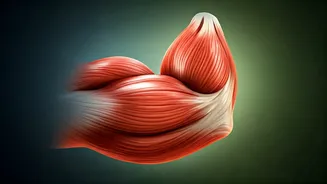
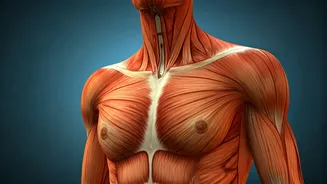
a lower number on the scale is often celebrated, a critical consequence can be the loss of essential muscle and lean body mass. This occurs because a diminished caloric intake also means less protein available for muscle repair and growth, leading to muscle breakdown. Without the mechanical stress of resistance exercise to signal its importance, the body has little incentive to retain muscle tissue. Consequently, current medical advice increasingly stresses the importance of combining these powerful medications with targeted resistance training and sufficient protein consumption to mitigate lean mass depletion, ensuring a healthier and more sustainable weight loss outcome.
Gentle Strength, Big Impact
Navigating strength training while on GLP-1 medications requires a nuanced approach, steering clear of overly intense or prolonged workouts that can be challenging due to fluctuating energy levels. Reduced calorie intake and metabolic shifts can make strenuous exercise difficult to sustain, often leading to inconsistency, poor recovery, or even complete abandonment of fitness routines. The key lies in adopting short, well-structured strength sessions, ideally two to three times per week for about 20-30 minutes each. This frequency and duration are sufficient to provide the necessary stimulus for muscle preservation without overwhelming the body. The primary objective is not exhaustion, but a consistent signal to the body that muscle is still needed and should be maintained, fostering an adaptable and resilient physical state.
Functional Moves for All
Effective routines for preserving muscle on GLP-1 medications focus on simple, functional movements that engage multiple muscle groups. Exercises like controlled sit-to-stands from a chair mimic squats, promoting leg strength and stability. Wall push-ups offer a safe way to build upper body power, while steady step-ups enhance lower body strength and balance. Glute bridges are excellent for activating underused posterior chain muscles, often weakened by prolonged sitting. Incorporating light rowing with resistance bands or small weights strengthens the upper back, crucial for posture and daily tasks. These compound movements are efficient, improve neuromuscular coordination, and are vital for everyday activities, ensuring that the body's ability to move smoothly and confidently is maintained.
Quality Over Intensity
When implementing strength routines during weight loss drug therapy, the emphasis must be on the quality of each repetition rather than pushing for maximum intensity. Performing movements with controlled form, maintaining steady breathing, and stopping before reaching absolute exhaustion allows the body to adapt effectively without undue stress. This moderate, repeatable stimulus is consistently supported by exercise science as being highly effective for muscle maintenance during caloric deficit phases. Furthermore, adequate recovery is paramount; with reduced food intake, the body's natural recovery capabilities may be diminished. Strategically spacing out exercise sessions and avoiding consecutive high-effort days ensures that the body can repair and adapt, promoting consistency without risking burnout or injury.
Daily Movement Matters
Beyond structured workouts, incorporating movement into your daily life plays a significant role in muscle preservation and overall well-being. Simple activities like walking, light mobility exercises, and gentle stretching contribute to maintaining activity levels without adding excessive demands on recovery systems. On days with lower energy, these forms of movement can help sustain consistency in physical activity without disruption. Alongside exercise, nutrition is critical. Including a protein source in every meal, whether from lentils, dairy, eggs, or other accessible sources, supports muscle maintenance. The focus shifts from large food quantities to nutrient-dense choices and consistent intake. Ultimately, progress should be measured not just by the scale, but by improvements in strength, balance, and ease of movement, indicating that muscle is being preserved for sustainable health.