






New Verification Drive Launched
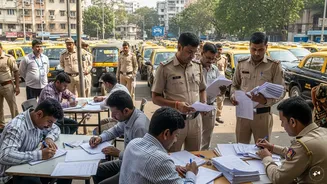
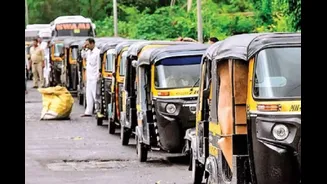
Maharashtra's transport authorities have initiated a comprehensive verification drive targeting auto rickshaw and taxi drivers, commencing in Mira Bhayandar.
This initiative involves a rigorous examination of driving permits and proof of residency. A key component of this process is a mandatory Marathi language proficiency test, requiring drivers to demonstrate their ability to read, write, and speak the language. This pilot project is designed to uncover and rectify discrepancies in the issuance of transport licenses, with plans for a phased statewide rollout. The drive aims to ensure all drivers possess the necessary local language skills, enhancing communication and transparency within the transport sector across Maharashtra.
Test Process and Penalties
At Regional Transport Office (RTO) facilities, drivers are being assessed on their Marathi language skills by being asked to transcribe short written passages. The consequences for failing this assessment can be significant, potentially leading to the suspension of driving licenses and operating permits. Currently, over 12,000 registered auto and taxi drivers in the Mira Road and Bhayandar regions are undergoing this staged review process. The verification campaign is slated to conclude by May 1st, coinciding with Maharashtra Day, after which the RTO will compile and submit its comprehensive report on the findings. This rigorous examination process underscores the seriousness with which the authorities are approaching the new language mandate.
Rule's Legal Basis
The enforcement of this Marathi language requirement for auto and taxi drivers is rooted in Rule 24 of the Maharashtra Motor Vehicles Rules, 1989. This particular rule underwent a significant amendment in November 2019, which introduced stricter compliance measures. Previously, drivers had a workaround where they could present a certificate from a recognized Marathi language expert to satisfy the requirement. However, this loophole has been effectively closed by the amended rule, making direct demonstration of language proficiency a mandatory prerequisite for permit holders.
Government's Rationale
The government's decision to implement this Marathi language mandate stems from two primary concerns: language proficiency and administrative irregularities. The push gained momentum following a complaint lodged by BJP MLA Narendra Mehta, who highlighted substantial inconsistencies and alleged procedural shortcuts in the issuance of permits, badges, and licenses. Mehta's complaint suggested that permits were being granted prematurely to recent migrants without adequate background checks. Furthermore, there have been recurring issues and disputes reported between passengers and drivers, often exacerbated by communication barriers arising from drivers' lack of fluency in the local Marathi dialect.
Consequences of Non-Compliance
For drivers who currently do not possess the required Marathi language skills, the immediate implication is the considerable risk of losing their operating permits. The directive mandates that drivers unable to meet the language criterion must dedicate time to learning Marathi before they can appear for the assessment. As of now, the government has not announced any provisions for a grace period or specific coaching programs to assist drivers in acquiring the necessary linguistic abilities. This leaves drivers with the sole responsibility of self-study and preparation to meet the stipulated language standards.
Union Opposition and Concerns
The introduction of this mandatory Marathi test has not been without its detractors, drawing criticism and opposition from various auto and taxi unions. Many members of these unions hail from northern Indian states, making Marathi proficiency a significant challenge for them. Shashank Rao, president of the Autorickshaw Driver Association, voiced his opposition, stating that only a basic level of Marathi is essential for effective passenger communication. Similarly, union leader Thampi Kurien pointed out that existing regulations already stipulate a requirement for local language knowledge, and RTO officials typically assess this through direct conversational interactions, questioning the necessity for a formal, stringent test.
Past Legal Challenges
This is not the first time Maharashtra has attempted to implement such a language-based mandate for its transport workers. A comparable directive was issued by the state transport commissioner back in 2016. That initiative faced strong opposition from auto rickshaw unions across the Mumbai Metropolitan Region and was eventually invalidated by the Bombay High Court, which declared it 'illegal'. The current drive, bolstered by the 2019 rule amendment, faces scrutiny to determine if it can withstand similar legal challenges and whether its updated legal foundation will prove more resilient.
Comparison with Other States
Language mandates for transport personnel are not an exclusive policy of Maharashtra; other Indian states have similar, albeit varied, regulations. Historically, states like Tamil Nadu and Karnataka have incorporated a requirement for drivers to possess a functional understanding of the local language as a condition for their permits. However, the enforcement of these rules in those states has often been inconsistent. Maharashtra's current approach stands out as a more formalized and test-driven methodology. Should this initiative proceed to a statewide implementation after May 1st, it could potentially establish a new benchmark for language proficiency requirements in the transport sector across the country.