






Fueling Your Body
For individuals with active lifestyles, food serves as the primary source of energy, and its impact goes beyond just immediate sustenance. A well-balanced
diet is critical for optimal performance, recovery, and overall health. When engaged in physical activity, the body demands a steady supply of energy to fuel muscles, support endurance, and facilitate peak performance. Proper nutrition can significantly influence energy levels, strength, and stamina. For instance, incorporating adequate carbohydrates provides the necessary fuel for intense workouts. Protein plays a crucial role in muscle repair and growth, while healthy fats contribute to hormone production and overall well-being. Therefore, adopting a balanced eating approach, rich in various nutrients, allows the body to function efficiently and effectively support the demands of an active lifestyle, improving both physical and mental well-being.
Essential Nutrients Explained
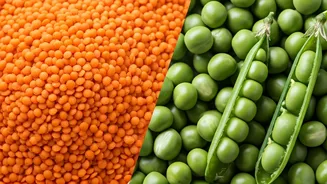
Understanding the key nutrients is important for developing a diet that helps an active body. Carbohydrates, the primary source of energy, fuel physical activity, so it is necessary to select complex carbs such as whole grains, fruits, and vegetables over processed foods. Protein is essential for muscle repair, growth, and overall body structure, and it must be consumed at every meal. Lean protein sources include chicken, fish, beans, and lentils. Healthy fats, found in avocados, nuts, and olive oil, are vital for hormone regulation and aid in nutrient absorption. Vitamins and minerals are vital for various bodily functions, including bone health, immune function, and energy production. Eating colorful fruits and vegetables is an excellent way to get the vitamins and minerals you need. Water is essential for all functions. Drinking enough water before, during, and after exercise is vital for hydration. By focusing on these essential nutrients, individuals can create a robust and well-balanced diet that enhances their fitness and promotes long-term health.
Smart Meal Planning
Meal planning is a valuable tool for active individuals seeking to maintain a healthy diet. Planning ahead helps ensure that nutritious meals are always available, which limits the temptation to opt for unhealthy options. Start by scheduling time each week to plan your meals, considering your activity level, preferences, and dietary needs. Create a grocery list based on your meal plan to ensure you have all the necessary ingredients on hand. Preparing meals in advance, such as batch-cooking components or pre-packing lunches, can save time and effort during the busy work week. Make sure that you balance your meals. Make sure your meal is made up of proteins, carbohydrates, and healthy fats. Snacks should be part of the plan too; include healthy options like nuts, fruits, and yogurt. Keeping a food journal can help you monitor your eating habits and track your progress. With smart meal planning, you can make healthy eating a sustainable and enjoyable part of your active lifestyle, helping you meet your fitness goals and enhance your overall well-being.
Hydration and Lifestyle
Hydration is as important as the food you eat. It has a significant impact on performance, recovery, and overall health. Water transports nutrients, regulates body temperature, and supports numerous bodily functions. It is essential to stay well-hydrated throughout the day, particularly before, during, and after physical activity. Drink water before, during, and after physical activity to prevent dehydration and promote optimal performance. Consider using a water bottle to track your intake. In addition to hydration, it is important to include aspects such as sufficient sleep and stress management. Sleep is essential for muscle repair and recovery, as well as cognitive function. Stress can affect both eating habits and overall health. Implement stress-reduction techniques such as meditation, yoga, or spending time in nature. Incorporating these lifestyle factors into your routine can further improve your health.