
Defining CRPS
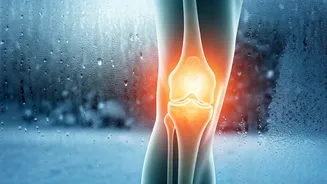
Complex Regional Pain Syndrome (CRPS) is a chronic pain condition that typically affects an arm or a leg, though it can occur in any part of the body.
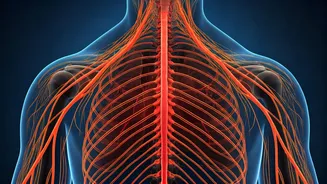
The pain is often described as burning or throbbing and can be out of proportion to the severity of the initial injury. The condition usually arises after an injury, surgery, stroke, or heart attack. While the exact causes of CRPS are not entirely understood, it's believed to involve an interaction between the peripheral and central nervous systems. The symptoms are diverse and can include extreme sensitivity to touch, swelling, changes in skin color and temperature, and alterations in hair and nail growth. These symptoms can fluctuate over time and may vary in intensity depending on the individual, leading to significant distress and disability. The diagnosis often involves a physical examination and may require imaging tests to exclude other conditions. Prompt diagnosis and treatment are crucial to improving outcomes and preventing long-term complications, such as muscle atrophy or joint stiffness.
Symptoms & Signs
The symptoms of CRPS are varied and can evolve over time, making it a complex condition to diagnose. Initially, the affected limb might be warm, red, and swollen, with increased sensitivity to touch. Over time, the limb might become cool and pale, with the skin appearing thin and shiny. The pain associated with CRPS can be severe and is frequently described as burning, throbbing, or shooting. Other common symptoms include allodynia (pain from stimuli that shouldn't cause pain), hyperalgesia (increased sensitivity to pain), stiffness, and reduced range of motion. Changes in hair and nail growth can also occur, and some individuals may experience tremors or muscle spasms. The psychological impact can be significant, leading to anxiety, depression, and social isolation. The unpredictable nature of the symptoms adds another layer of complexity. The severity and manifestation of the symptoms can vary dramatically from one individual to another, making it challenging to establish a definitive diagnosis. It's essential to seek prompt medical evaluation if experiencing persistent, unexplained pain or other symptoms of CRPS.
Risk Factors Explained
While the exact cause of CRPS remains unclear, certain factors appear to increase the risk of developing the condition. A significant factor is a preceding injury, such as a fracture, sprain, or soft tissue injury. The risk is elevated if the injury involves nerve damage. Surgery is also a potential trigger for CRPS, particularly if it involves the limbs. Other medical events, like stroke or heart attack, have been associated with its onset. The condition is slightly more prevalent in women. There is evidence that genetic factors may also play a role. Those with a family history of CRPS may be at a higher risk. Certain autoimmune conditions may also increase the susceptibility to CRPS. Early identification of risk factors is important for implementing preventive measures, which may include prompt treatment of injuries, aggressive pain management after surgery, and physical therapy to maintain mobility. It's crucial to consult with a medical professional to assess individual risk factors and develop a personalized approach to prevention.
Reducing Your Risk
Although it's impossible to completely eliminate the risk of developing CRPS, there are measures to potentially reduce the likelihood of it occurring. Early and appropriate treatment of injuries is paramount. This includes prompt medical attention for fractures, sprains, or other injuries, and following medical advice for rehabilitation and pain management. After surgery, effective pain control is vital to minimize the risk of CRPS. This may involve medication, nerve blocks, or other pain management techniques. Physical therapy and occupational therapy can also be beneficial in maintaining range of motion and preventing stiffness. Early mobilization after an injury or surgery can help prevent CRPS, as prolonged immobilization is a risk factor. It is also important to manage stress and anxiety, as these factors may worsen pain perception. Working closely with healthcare providers and adhering to recommended treatment plans can significantly contribute to reducing the risk and severity of CRPS. Additionally, staying informed about CRPS and its potential triggers can help individuals make informed decisions about their health and well-being.
Who Else Has It?
Several individuals in the public eye have bravely shared their experiences with CRPS, bringing much-needed awareness to this often misunderstood condition. Notably, Archana Puran Singh, a well-known personality, has opened up about her own experience with CRPS, highlighting the challenges of living with chronic pain. Their stories serve as a reminder of the far-reaching impact of the condition. Sharing experiences helps to humanize the illness, making it more relatable for others. Their openness helps break down the stigma associated with chronic pain and encourages people to seek help. By sharing their journeys, these individuals are helping to educate and support those affected by CRPS. Their experiences underscore the importance of early diagnosis, effective treatment, and compassionate support for those affected by CRPS. It also encourages open conversations around pain management and the search for relief and better life quality. These stories are a testament to the resilience of individuals living with chronic pain.