


Nature's Embrace
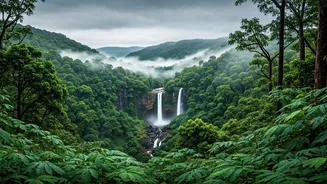
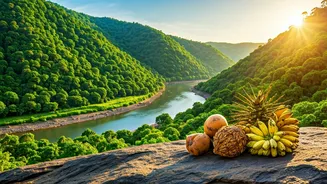
Tulu Nadu, situated between the imposing Western Ghats and the shimmering Arabian Sea, is a land sculpted by nature's generosity. Its geography, marked
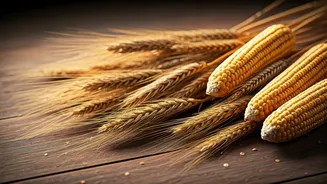
by elevated ghats and copious rainfall, fosters an environment of exceptional fertility. This natural abundance has historically supported thriving agriculture, particularly the cultivation of areca nut and paddy, which form the backbone of the region's economy and sustenance. The landscape is a testament to the symbiotic relationship between the people and their environment, where the rhythm of life is dictated by the land's productivity and the blessings of the monsoon rains. The very essence of Tulu Nadu's culture and its people's deep-rooted traditions are intrinsically linked to this agrarian foundation, celebrated through festivals and daily life.
Spiritual Roots
The cultural identity of Tulu Nadu is deeply interwoven with its agrarian roots and a profound spiritual connection to nature. The Tuluva people, mirroring ancestral Indian practices, revere elements like trees, serpents, rivers, and forests, personified through 'Bhootas' or 'Daivas'—powerful supernatural spirits. This reverence is vividly expressed in captivating rituals like 'Bhuta Kola,' where masked performers embody these deities, seeking blessings for bountiful harvests and community protection. The region's rich imagination is also showcased in 'Yakshagana,' a dynamic theatre form that blends dance, music, and elaborate costumes to narrate epic tales, further cementing the bond between the people, their land, and their spiritual beliefs. This deep-seated spirituality permeates every aspect of life, from daily rituals to community celebrations.
A Culinary Tapestry
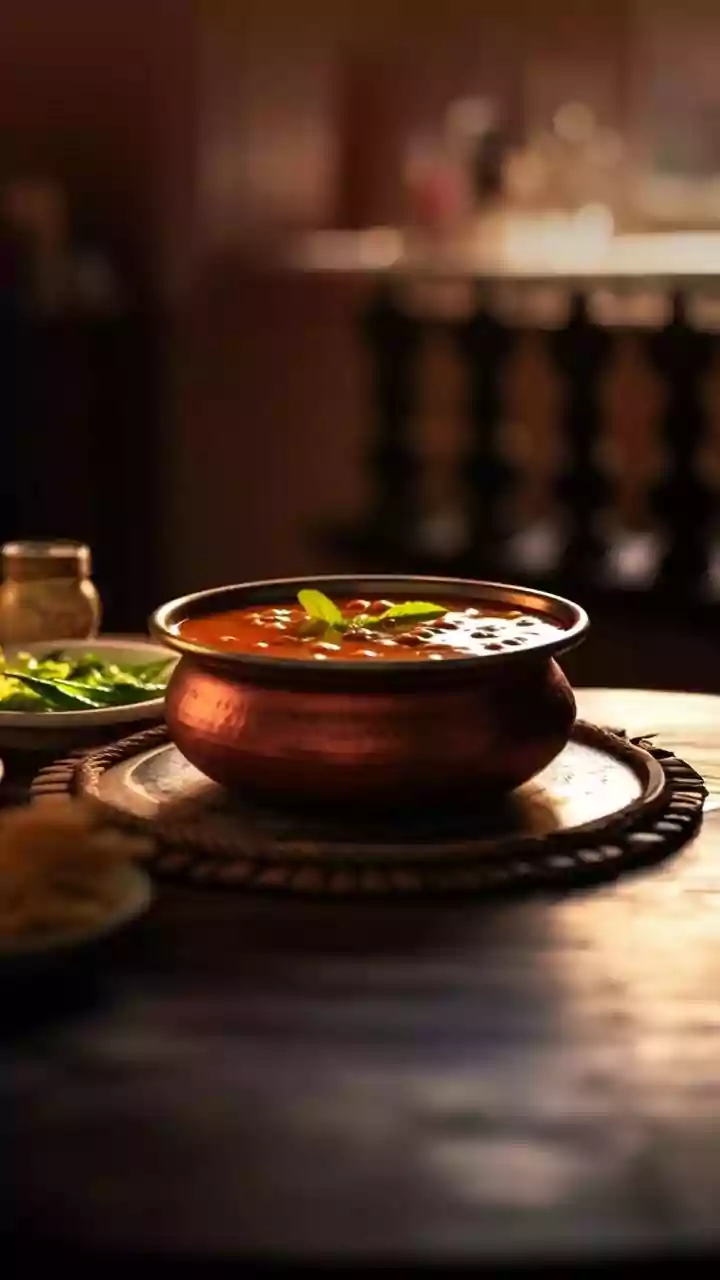
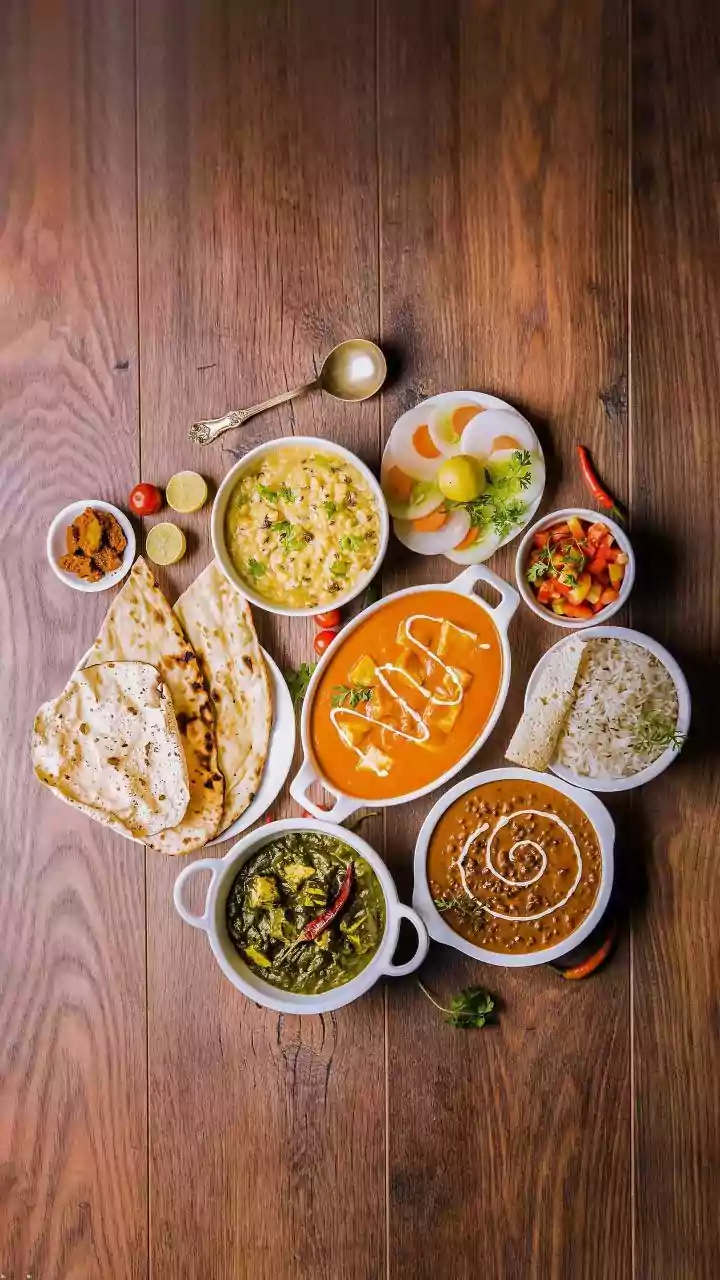
The cuisine of Tulu Nadu is a direct reflection of its abundant natural resources and diverse cultural influences. Seafood, freshly harvested vegetables, and the ubiquitous coconut are fundamental ingredients that form the base of many delectable dishes. Iconic preparations like 'Neer Dosa,' a delicate rice pancake, and 'Kori Rotti,' a crispy rice cracker paired with chicken curry, exemplify the region's culinary prowess. The area's unique geography, with its higher rainfall and fertile lands, has historically provided a rich array of spices, fruits, tubers, and heritage rice varieties, contributing to a maximalist approach to cooking. The culinary landscape is further diversified by numerous sub-sects, including the renowned 'Shivalli' Brahmins, the creators of MTR and Udupi Krishna Bhavan, and the distinct cuisines of the Konkani Saraswats, Roman Catholics, Bunts, Billavas, and Mogaveeras, each adding a unique flavor to the region's gastronomic tapestry.
A Mosaic of People
Tulu Nadu is not a cultural monolith but rather a vibrant kaleidoscope of communities, each contributing to its unique character. The 'Konkan-Kanara' coast, a rich amalgamation of castes, sub-castes, languages, and customs, has been shaped significantly by historical administrative divisions, particularly during the British era. Today, areas like Mangalore are a fascinating overlap of Udupi, Dakshina Kannada, and parts of old Kasargod. This diversity is evident in the distinct culinary traditions: from the vegetarian fare of Chitrapur Saraswats and the seafood-celebrating Gowda Saraswats, to the unique blends of Kanara and Goan styles found in Mangalorean Catholic cuisine like 'pork bafat' and 'sorpotel' served with 'sannas.' Even within communities like the Bunts, culinary traditions vary regionally, with those inland and along the Ghats embracing pork, unlike their coastal counterparts. The 'Byari' Muslims and Tulu Jains also add subtle yet significant nuances to this rich culinary and cultural fabric.