






The Healthcare Divide
India's healthcare system presents a persistent dichotomy between public and private institutions, each catering to different needs and economic strata.
Government hospitals are lauded for their extensive reach and affordability, serving as a crucial lifeline for rural populations and low-income families. In contrast, private hospitals are recognized for their advanced medical technology, specialized treatments, and expedited service delivery, though these benefits come with a significantly higher price tag. This often leaves individuals in a quandary, attempting to strike a balance between the urgency of their medical needs and their financial constraints. The decision hinges on weighing the value of rapid, cutting-edge care against the accessibility and cost-effectiveness that public facilities aim to provide, making the choice a complex one for many.
A Day of Contrasts
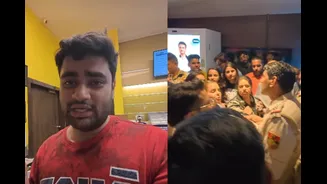
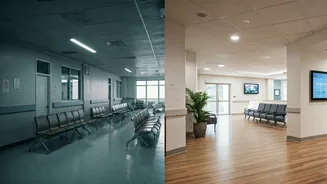
To shed light on this disparity, a social media influencer named Nishu Tiwari embarked on a personal experiment. She visited both a government hospital and a private one to seek treatment for an identical health concern, aiming to offer a direct comparison of the patient journey. Tiwari began her exploration at the Dr. Ram Manohar Lohia Hospital in Delhi. Despite arriving early in the morning, she encountered substantial queues simply to obtain a registration slip to see a doctor. She reported spending an hour and a half waiting for this initial slip. The waiting continued, as she then faced another lengthy wait of approximately an hour and a half to actually consult with a physician. For her reported symptoms of stomach pain and nausea after eating, she was prescribed medication, but unfortunately, the hospital pharmacy did not have the required medicine in stock. She later purchased it from a Jan Aushadhi store for a mere Rs 37, noting that while the wait was long, the total cost for her visit was remarkably low.
Private Sector Experience
Following her experience at the public facility, Tiwari proceeded to a private hospital in the same city, where her visit unfolded quite differently. The atmosphere was markedly less crowded, with digital screens guiding patients, eliminating the need for lengthy queues. However, the initial cost for a patient slip alone was a steep Rs 1,400. She was able to see a doctor without any significant waiting time. The physician recommended an ultrasound and a week's course of medication. The total expenditure for her consultation and initial treatment at the private hospital amounted to Rs 4,349, a substantial increase compared to her government hospital visit. This stark financial difference, coupled with the contrasting wait times, provided Tiwari with a clear perspective on the trade-offs involved in choosing between the two types of healthcare providers.
The Insurance Imperative
Reflecting on her dual hospital visits, Tiwari concluded that health insurance plays an indispensable role in mitigating the financial burden of medical treatments. In today's economic climate, she emphasized that health insurance is no longer a discretionary purchase but a fundamental necessity for every household. The significant cost disparity between the government and private hospitals, even for the same health issue, highlights how unexpected medical expenses can strain household budgets. Her firsthand account, shared widely on social media, aimed to raise public awareness about the critical need for life and health insurance, positioning it as a crucial tool for financial security in an era of escalating living costs and medical expenses. The viral nature of her post indicated resonance with a broad audience facing similar healthcare considerations.