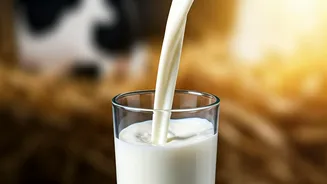







Milk Price Jumps
Leading dairy cooperatives have implemented a price increase of Rs 2 per litre on various milk types, marking the first significant adjustment in approximately
a year. This decision stems from a confluence of escalating operational expenses, including higher costs for animal feed, more expensive transportation, and increased expenditure on packaging materials. The current geopolitical climate, particularly tensions in West Asia, is also a contributing factor, raising concerns about potential crude oil supply disruptions and subsequent imported inflation. The dairy sector, heavily reliant on logistics and fuel, is among the initial industries experiencing the economic pressure of these global events. This surge in raw milk costs directly impacts the viability of dairy operations and foreshadows a wider price adjustment across the dairy spectrum.
Paneer's Price Hike
Consumers are not just facing a higher cost for their daily milk; the implications extend further into India's culinary landscape. When the price of milk escalates, it typically triggers a chain reaction, leading to increased prices for products like paneer, curd, ghee, and even sweets, tea, coffee, and restaurant meals. Historically, paneer has been one of the first dairy items to reflect hikes in milk procurement expenses, primarily because its production is highly milk-intensive, requiring approximately 8 to 10 litres of milk for just one kilogram. As dairies begin to compensate farmers more for raw milk, manufacturers and retailers inevitably pass this increased burden onto consumers. Coupled with rising operational costs for restaurants and caterers, such as electricity, refrigeration, and transport, the elevated milk prices are poised to make paneer significantly more expensive in the coming weeks, potentially influencing restaurant menus and home cooking.
Ghee and Curd Impact
The production of ghee, even more so than paneer, is heavily dependent on milk quantities, making its pricing particularly sensitive to procurement costs. Industry insiders suggest that if the upward trend in fuel and packaging expenses, driven by rising crude oil prices, persists, ghee prices could also see an increase later in the year. This is particularly pertinent as the festive and wedding seasons approach, periods characterized by a surge in demand for ghee in sweet shops and catering services. Similarly, while dairy companies often try to shield consumers from immediate price changes in curd, buttermilk, and lassi during the summer months due to their daily consumption by millions, sustained high milk procurement prices may eventually necessitate price revisions for these staple products as well. Consequently, small eateries and cafes relying on milk products will likely pass these increased costs onto their patrons.
Global Tensions' Reach
The recent geopolitical tensions in West Asia, especially concerning the Strait of Hormuz, have ignited concerns about potential disruptions to global oil supplies, leading to an escalation in crude oil prices. This global phenomenon has a direct, albeit indirect, impact on the Indian dairy sector through packaging costs. Milk pouches and other dairy product packaging often rely on petroleum-derived materials like plastic films. As crude oil prices surge due to these international conflicts, the cost of these packaging materials also rises. Dairy producers have explicitly noted the increasing expense of milk packaging film, directly linking international crude oil price fluctuations to the domestic cost of essential dairy products. This global economic instability thus contributes to the rising prices consumers are experiencing at the local level.