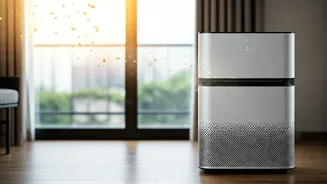








NCR Air Quality Dilemma
The air quality in the National Capital Region (NCR) poses a significant challenge, with pollution levels often exceeding safe limits. Residents are consistently
exposed to harmful particulate matter (PM2.5 and PM10), making respiratory issues and other health concerns common. The 'sad reality' for NCR homes involves constant monitoring of air quality indices and taking precautions to minimize exposure to pollutants. This necessitates solutions like air purifiers and other innovative approaches to tackle the effects of this environmental challenge. The persistent pollution impacts daily life and fuels the demand for devices that promise cleaner air.
Purifier Price Point
At Rs 13,499, the air purifier in question sits within a mid-range price bracket, reflecting a common cost consumers in the NCR are willing to pay for cleaner air. This price tag positions the purifier as an accessible option for many households. The affordability factor makes it an appealing choice for those wanting to invest in air quality improvement without paying for top-tier models. Considering this price point, consumers often have certain expectations regarding its performance, features, and overall value. The pricing also factors in the operational costs, like filter replacement, that contribute to the ongoing expenses associated with maintaining the air purifier.
Placebo Effect Factors
The 'placebo effect' can play a significant role in how individuals perceive the effectiveness of air purifiers. This psychological phenomenon involves the expectation of positive results influencing actual experiences. When people invest in an air purifier and believe it's working, they may experience a subjective improvement in their well-being, even if the purifier's impact is not entirely measurable. The belief in clean air can lead to reduced stress and better sleep, contributing to an overall sense of enhanced health. The user's mindset and anticipation for cleaner air can also intensify the perceived benefits, thus shaping their satisfaction with the product.
Performance Assessment
Evaluating the real performance of an air purifier requires considering a range of factors. These include the device's CADR (Clean Air Delivery Rate), which indicates its ability to filter pollutants from a room, and the types of filters used, like HEPA filters for removing particulate matter. The purifier's efficiency can also vary depending on the size of the room and the ambient pollution levels. Proper maintenance, including regular filter replacements, is crucial for ensuring the device functions as intended. Independent tests and reviews offer data on the actual performance of air purifiers, enabling consumers to make informed choices based on scientific evidence.
Long-Term Value Equation
The long-term value of an air purifier goes beyond the initial purchase price, encompassing operational expenses and the sustained impact on indoor air quality. Considerations include the cost of replacement filters, the energy consumption of the device, and the ongoing maintenance requirements. Evaluating the longevity and durability of the purifier is critical to determine its overall value over time. Furthermore, the ability of the purifier to effectively address local pollution issues, such as seasonal smog or dust, will affect its long-term value. Sustainable practices and features, like energy-efficient operation and eco-friendly filter materials, will influence the assessment of a purifier's ultimate value.