





A Vision of Calm
Sminu Jindal's home on Mumbai's prestigious Malabar Hill is more than just a residence; it's an embodiment of minimalist philosophy intertwined with the
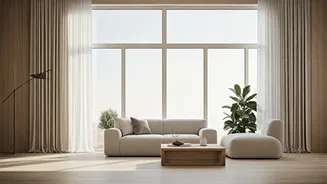
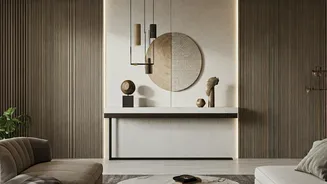
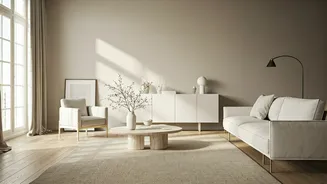
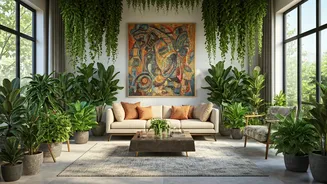
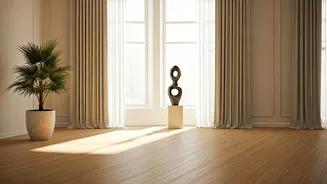
emotional resonance of space. This sea-facing bungalow, situated at 32 Walkeshwar Road, offers a striking example of how architectural choices can profoundly impact daily life. The interior design prioritizes a serene atmosphere, characterized by a predominantly white palette that is thoughtfully accented with warm wooden and sharp black details in elements like doorways, shelving units, and stair railings. This deliberate restraint in color and material choices cultivates a visually calming environment. The furnishings are intentionally minimal and highly functional, ensuring ample space for movement and a sense of airy spaciousness. Expansive, floor-to-ceiling windows and glass-panelled doors are instrumental in allowing natural light to flood the interiors, blurring the lines between indoor and outdoor realms. A unique veranda, described as a 'hanging courtyard,' further enhances this feeling of openness and seamless transition between the home's interior and its verdant surroundings. Against this subdued backdrop, carefully selected artworks—including paintings, sculptures, and decorative plates—add subtle yet impactful points of visual interest without overwhelming the tranquil ambiance.
Space and the Mind
The deliberate integration of open, light-filled interiors and uncluttered spaces, as seen in Sminu Jindal's home, has a significant positive impact on psychological well-being. According to psychotherapist Sonal Khangarot, such environments contribute to a sense of 'psychological spaciousness,' which directly influences mood, stress levels, and overall comfort. When a space is free from visual clutter, the brain is less burdened by processing excessive information, leading to a reduction in cognitive load and a calmer nervous system. This uncluttered state allows individuals to feel more at ease, avoiding the overstimulation often associated with busy environments. The abundant natural light plays a crucial role, not only enhancing the sense of openness but also supporting the body's natural circadian rhythms. This, in turn, can lead to improved sleep quality and a greater sense of emotional balance. These principles are deeply aligned with minimalism's emphasis on simplicity and intentional living, which are known to foster enhanced focus and mitigate mental fatigue, making the home a sanctuary for both rest and productivity.
Spaces for Connection
Beyond individual well-being, the design of Sminu Jindal's residence underscores how shared physical spaces can nurture emotional bonding and foster a profound sense of belonging. Khangarot explains that homes designed to facilitate large gatherings and encourage the use of communal areas naturally become focal points for repeated social interactions, which are vital for strengthening interpersonal ties. Psychologically, increased proximity and the shared experience of moments within these spaces build trust and deeper connections. Open living areas, generous dining settings, and inviting communal seating arrangements actively encourage conversation, shared laughter, and collective participation, all of which contribute to robust relationships over time. Furthermore, these environments become fertile ground for memory creation. Celebrations, traditions, and even ordinary daily occurrences are anchored within a shared physical context, making them more vivid and emotionally significant in recall. Environmental psychology supports this, suggesting that spaces linked to positive social experiences become powerful anchors for nostalgia and emotional security. Ultimately, this consistent experience of warmth, inclusion, and connection transforms a house from a mere structure into a vital 'container for relationships, identity, and continuity,' cultivating a deep and enduring sense of home.