






Farmer Interests Paramount
Concerns have been circulating regarding the potential impact of the new India-US trade agreement on the livelihoods of Indian farmers. However, official
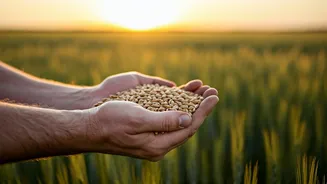
sources have consistently emphasized that the core interests of Indian agriculture are fully protected. Key staple crops, including rice, wheat, soybeans, corn, dairy products, and sugar, have been explicitly excluded from the trade deal negotiations. These crucial commodities were never put on the negotiating table, signifying their non-negotiable status. The government's clear message is that the vast majority of what Indian farmers cultivate will remain unaffected by this agreement. Any agricultural imports from the United States that might feature in the deal are expected to be limited, selective, and primarily comprise niche, premium products not extensively produced or consumed in India. This means there will be no influx of cheap foreign food that could disrupt local markets or lead to dumping. Instead, the focus appears to be on specialty items like premium dry fruits, ensuring no threat to the stability and prosperity of the farming community or their daily earnings.
Opposition's Stance
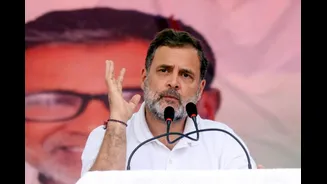
The narrative being pushed by the opposition, particularly the Congress party, paints a starkly different picture of the India-US trade deal. They allege that the current government is compromising the interests of Indian farmers by making concessions to the US, even without a thorough understanding of the agreement's finer details. This contrasts sharply with past political pragmatism, exemplified by the BJP's support for the Indo-US nuclear deal during the Manmohan Singh administration, where national interest was prioritized. Today's political climate appears to be characterized by a lack of trust, where the opposition is unwilling to accept the government's assurances. This stance suggests a move away from farsightedness and toward a more adversarial political approach, where constructive engagement seems to be overshadowed by partisan criticism, regardless of the actual merits of the deal for the nation.
Government Clarifications
Amidst the political discourse, government officials have stepped in to provide clear clarifications regarding the India-US trade agreement. US Secretary for Agriculture, Brooke Rollins, tweeted about the new deal facilitating the export of American farm products to India, aiming to boost prices and inject cash into rural America, while noting a trade deficit of $1.3 billion in 2024. In response, Indian Commerce Minister Piyush Goyal highlighted that stronger economic cooperation under the deal would benefit businesses in both countries through tariff reductions. He emphasized that India would gain enhanced market access and improved export competitiveness, opening up new avenues for industrial growth. Goyal also clarified that any tariff reductions would not compromise domestic farmers or pressure them. Agriculture Minister Shivraj Singh Chouhan further reassured the public, stating that India's agricultural and dairy sectors, along with grains, fruits, and millets, face no threats, and farmers' interests are fully safeguarded. He addressed confusion arising from US claims, reiterating that India has not opened its markets in a way that would harm its own farmers, underscoring that the deal balances trade, trust, and national interest without compromising food security.
Deal Timeline and Outlook
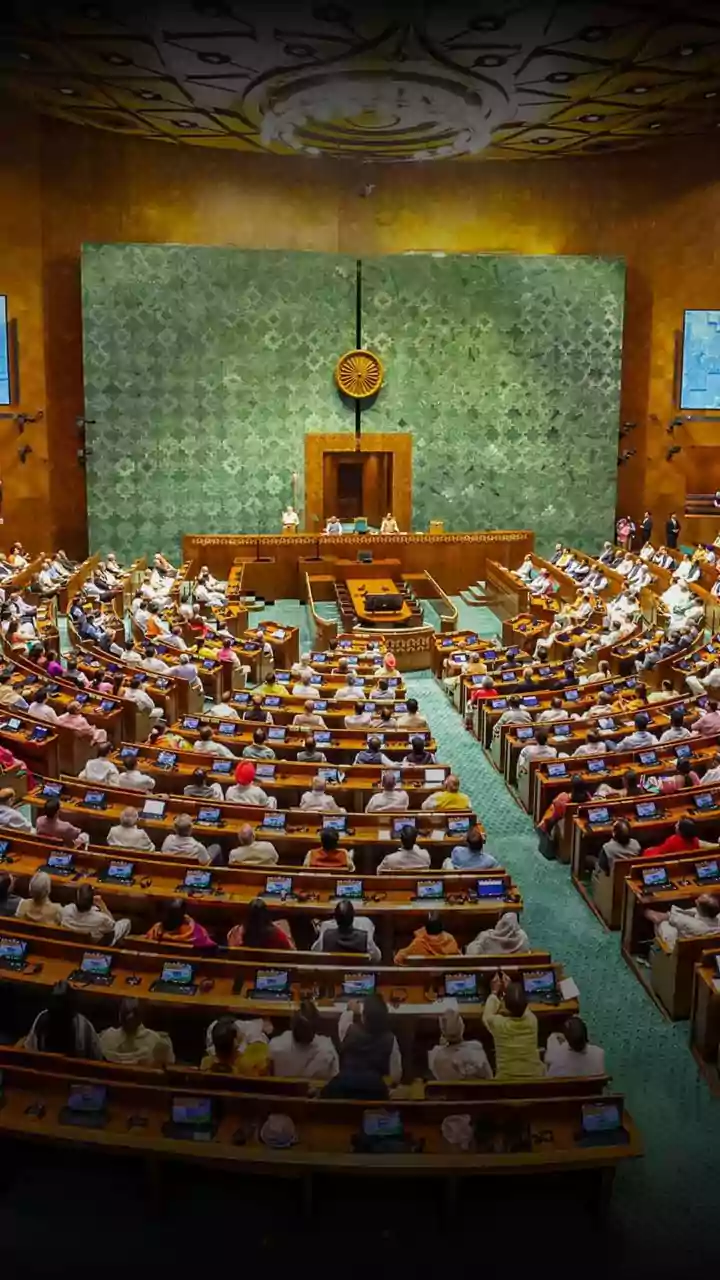
The India-US trade deal is anticipated to be formally inked as early as March, with a joint statement from both nations expected within the next four to five days to outline the broad framework and signal progress. This timeline follows strong reassurances from the Indian government, particularly from Agriculture Minister Shivraj Singh Chouhan, who has firmly stated that India's agricultural interests are completely protected. He reiterated that the grains, fruits, millets, major crops, and dairy sectors are not under any threat, and the interests of all farmers, irrespective of the size of their landholdings, are being safeguarded. The Minister also addressed any potential misunderstandings generated by a tweet from the US Treasury Secretary, emphasizing that Commerce Minister Piyush Goyal had already clarified in Parliament that the market access granted to US products would not exert pressure on domestic farmers. Ultimately, the government's approach has been characterized by resilience and a steadfast commitment to prioritizing farmers' interests, ensuring that staple crops remain protected and that the diplomatic outcome balances trade, trust, and the nation's overall interests without jeopardizing food security.